Former Special Counsel Jack Smith Asserts Trump "Willfully Broke the Law" in Public Testimony
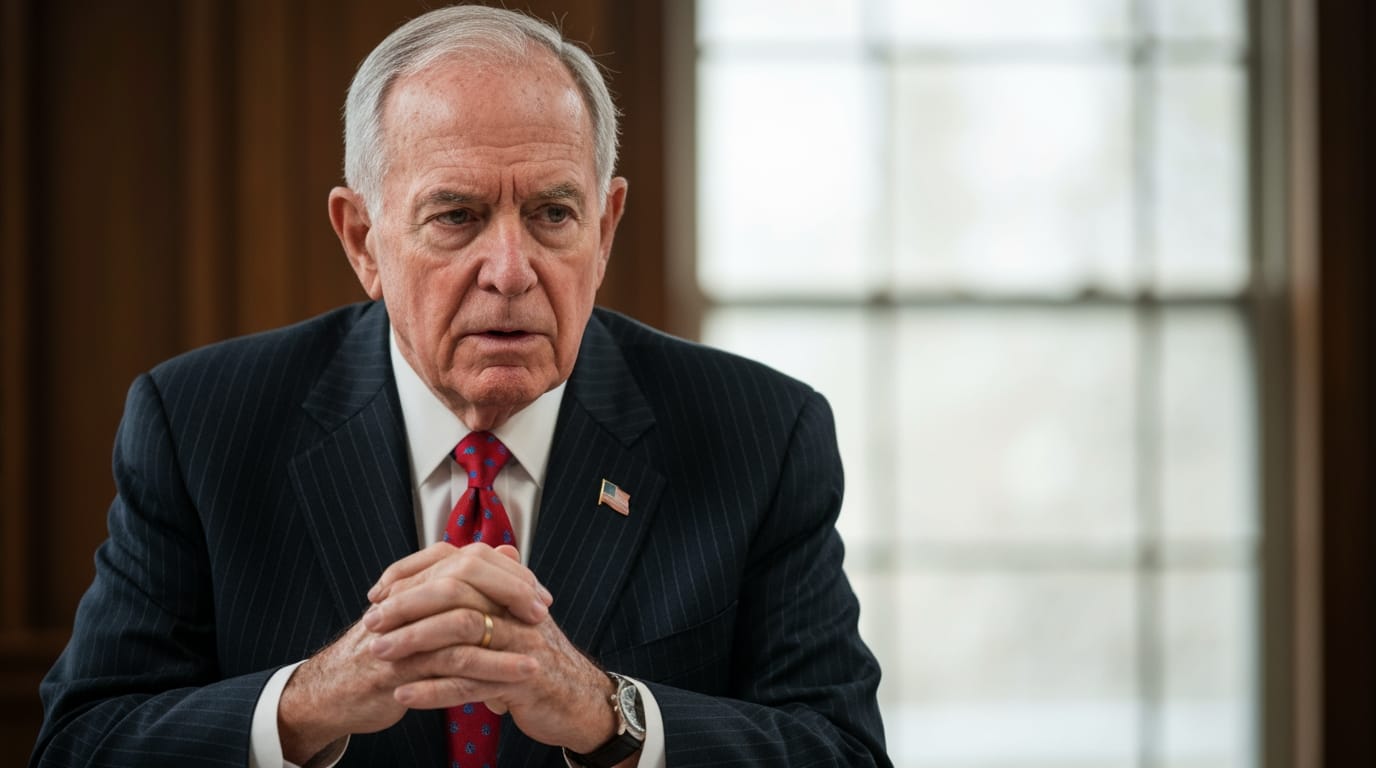
WASHINGTON D.C. – In a rare public appearance before the House Judiciary Committee, former Special Counsel Jack Smith delivered a pointed assessment of his investigations into Donald Trump, unequivocally stating that the former president was charged because "the evidence established that he willfully broke the law." Smith's testimony on Thursday, marking his first public discourse since overseeing two high-profile federal probes into Trump's conduct, reignited national conversations surrounding executive accountability and the rule of law, even as the cases he pursued against the now-re-elected president have concluded.
Smith's remarks underscore the gravity of the allegations that animated his tenure as special counsel, a period marked by intense legal and political scrutiny. His investigations centered on two distinct but equally significant areas: Trump's handling and retention of classified government documents after leaving the White House in 2021, and his actions in the aftermath of the 2020 presidential election. While these investigations resulted in more than 40 federal charges against Trump, the legal landscape shifted dramatically with Trump's re-election in November 2024, ultimately leading to the cessation of both cases.
Allegations of Willful Misconduct
During his testimony, Smith defended the integrity and thoroughness of his investigations, asserting confidence that there was sufficient evidence to secure convictions at trial. He dismissed suggestions that his work was politically motivated or intended to interfere with Trump's 2024 presidential campaign, clarifying that he never communicated with President Biden or the White House regarding his work.
The classified documents investigation, initiated after Trump's departure from office, focused on the alleged willful retention of sensitive national security material. Charges in this case included willful retention of national security material, obstruction of justice, and conspiracy, with 31 counts falling under the Espionage Act. The second investigation scrutinized Trump's efforts to overturn the 2020 presidential election, leading to a four-count indictment for conspiracy to defraud the United States, obstructing an official proceeding, and conspiracy against rights. These charges aimed to address conduct following the 2020 election, culminating in the events of January 6th. Throughout these proceedings, Trump consistently denied any wrongdoing.
Legal Battles and Procedural Dismissals
Smith's path to prosecution was fraught with legal challenges, significantly impacting the ultimate trajectory of the cases. In a pivotal ruling in July 2024, U.S. District Judge Aileen Cannon dismissed the classified documents prosecution against Trump. Judge Cannon's decision was predicated on her finding that Attorney General Merrick Garland had unlawfully appointed Smith as special counsel and that his operations were improperly funded. This ruling effectively invalidated a core component of Smith's investigative efforts. Trump's legal team has since sought to permanently prevent the public release of Smith's "Final Report," contending that all actions undertaken by the special counsel were unlawful given the alleged improper appointment and funding.
Further complicating the legal strategy was the Supreme Court's ruling on July 1, 2024, which determined that a former president possesses presumptive immunity from criminal prosecution for actions performed within the scope of their official duties. This landmark decision had significant implications for the special counsel's election interference case, as it limited the ability to use certain "official acts" by Trump as evidence. Following Trump's re-election, Smith filed a motion to dismiss the remaining case without prejudice, adhering to the Department of Justice's policy against prosecuting sitting presidents.
A Pattern of Contested Authority and Legal Challenges
Beyond the Special Counsel investigations, the Trump administration faced numerous other legal challenges and accusations of operating outside established legal frameworks, contributing to a broader narrative of contested adherence to legal norms. One notable instance involved the attempt to remove Federal Reserve Governor Lisa Cook. President Trump announced his intention to fire Cook in August 2025, citing unproven allegations. However, a federal judge blocked this attempt, finding that the removal without notice or hearing likely violated Cook's Fifth Amendment right to due process. The Supreme Court later heard arguments on this matter. Justice Amy Coney Barrett notably questioned why the administration appeared "afraid" of providing Cook with a formal hearing.
Additionally, the administration's methods for appointing U.S. attorneys drew significant judicial pushback. Several federal judges ruled that acting U.S. attorneys, appointed through irregular maneuvers without Senate confirmation, were serving unlawfully. For example, Lindsey Halligan, a former personal attorney for Trump with no prior prosecutorial experience, was appointed as an interim federal prosecutor in Virginia. Federal judges repeatedly stated she had no valid basis to hold the position, ruling that her predecessor had already exhausted the 120-day period for an acting prosecutor. Such appointments led to the dismissal of controversial cases and a direct clash between the administration and the judiciary over constitutional appointment powers. These instances, along with accusations of "weaponizing" federal agencies like the Equal Employment Opportunity Commission (EEOC) to target perceived adversaries, paint a picture of an administration frequently at odds with established legal procedures and institutional checks.
Enduring Questions of Accountability
The legal battles surrounding Donald Trump, from the specific allegations of Special Counsel Jack Smith to broader challenges against his administration's operational methods, have illuminated fundamental questions about executive power, prosecutorial independence, and the resilience of democratic institutions. While the federal cases brought by Special Counsel Smith have concluded due to Trump's return to the presidency, the public record of these investigations and the assertions of "willful law-breaking" remain.
The ongoing discourse reflects a nation grappling with the balance between holding powerful figures accountable and navigating the complexities of political office and its inherent protections. Trump's consistent denials of wrongdoing stand in contrast to the persistent legal challenges and the direct assertions made by former prosecutors regarding the nature of his alleged actions. The culmination of these events leaves a lasting imprint on American jurisprudence and the public's perception of justice at the highest levels of government.


