Four Decades On: Man Charged in Chilling 1982 Nurse Murder in Germany
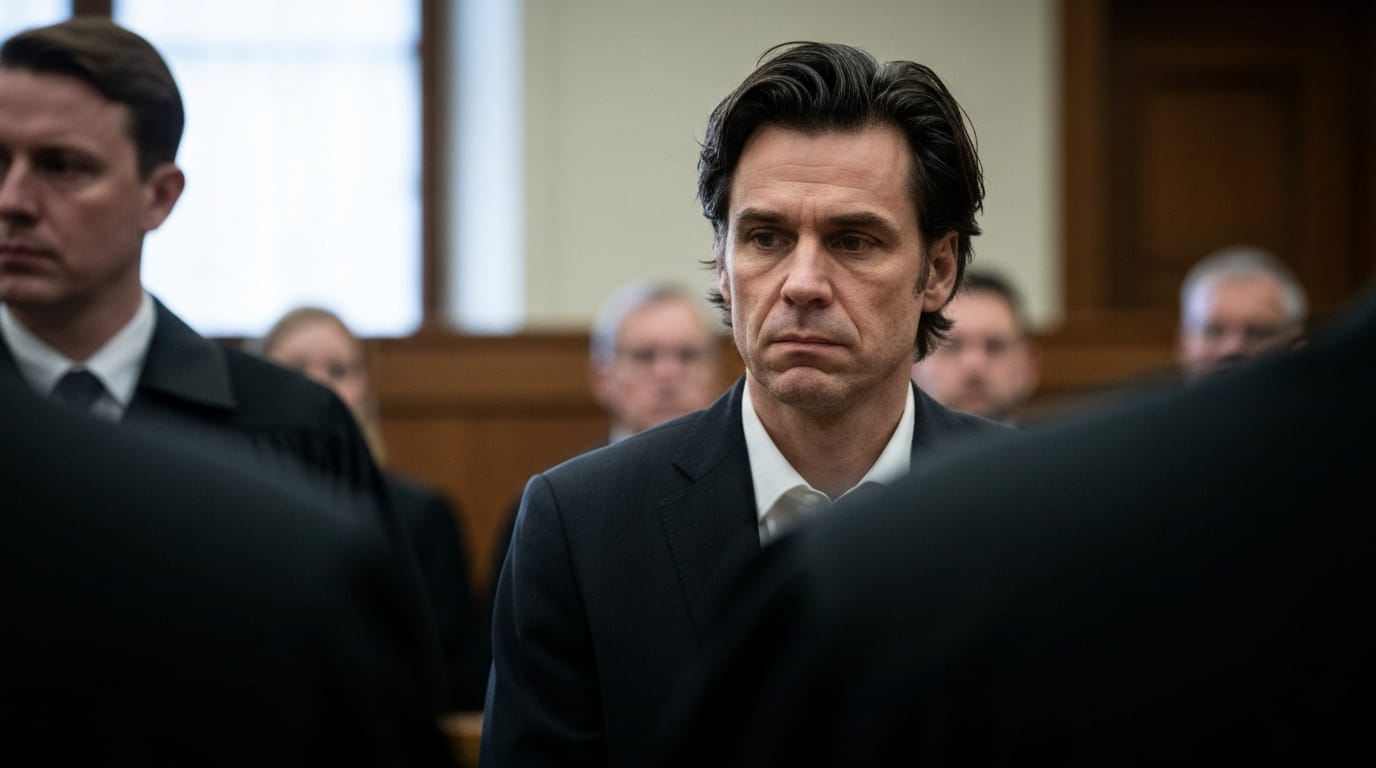
After 41 years shrouded in mystery, German authorities have announced a significant breakthrough in a brutal cold case, charging a man with the murder of a nurse that has haunted a community for generations. The unexpected development brings a potential end to a decades-long quest for justice, offering a glimmer of closure to a family and a renewed sense of hope for the thousands of unsolved crimes across the nation. The charge underscores the relentless determination of law enforcement and the transformative power of modern forensic science in cracking cases once deemed intractable.
The Echoes of 1982: A Community Shaken
The original crime dates back to the early 1980s, a period when forensic capabilities were rudimentary compared to today's sophisticated methods. In 1982, a young nurse, whose identity has been respectfully withheld in this evolving investigation, was found deceased under harrowing circumstances in Germany. The details of the initial discovery, though deeply traumatic, were insufficient to immediately identify a perpetrator. The incident sent shockwaves through the local community, leaving residents fearful and casting a long shadow of uncertainty.
Police at the time launched an extensive investigation, interviewing numerous individuals and meticulously collecting available evidence. However, without the advanced analytical tools available today, critical leads remained elusive. The case slowly transitioned into a cold file, a tragic entry in the annals of unsolved crimes, leaving the victim's family grappling with unanswered questions and an enduring sense of injustice. The lack of a resolution meant the perpetrator remained at large, a chilling thought that persisted for over four decades, reminding many of the vulnerability and the often-elusive nature of justice. For the victim’s loved ones, each passing year brought both fading hope and a tenacious desire for truth, a quiet suffering that resonated through their lives.
The Unyielding Pursuit of Justice: A Cold Case Rekindled
For decades, the case of the murdered nurse remained a poignant reminder of an unsolved tragedy. However, the relentless passage of time did not diminish the commitment of Germany's cold case investigators. Driven by advancements in forensic technology and a renewed dedication to reviewing dormant files, authorities periodically revisited the evidence collected in 1982. The critical turning point came through modern scientific capabilities, particularly the exponential progress in DNA profiling.
Investigators specializing in cold cases meticulously re-examined evidence that had been preserved for over forty years. Items that once held little direct investigative value could now yield crucial genetic material. This process often involves re-analyzing trace evidence, such as hair, fibers, or minute biological samples, using techniques far more sensitive and specific than those available in the early 1980s. The breakthrough in this particular case, typical of many cold case resolutions, involved the successful extraction and analysis of DNA evidence that, four decades ago, would have been technologically impossible to link to an individual. This scientific advancement allowed investigators to develop a genetic profile, a unique identifier that could be compared against national and international databases. The painstaking work involved not just lab analysis but also a comprehensive review of original police reports, witness statements, and geographical data, often cross-referencing information with contemporary investigative techniques.
The Suspect and the Charges: An Arrest Forty-One Years Later
The culmination of this exhaustive re-evaluation led German law enforcement to a suspect, a man who has now been charged in connection with the 1982 murder. While specific details about the accused, including his identity, age, and any prior connections to the victim or the crime scene, are being carefully managed by authorities as legal proceedings commence, his arrest signifies a monumental shift in the case. The man, whose identity is protected under German privacy laws until a potential conviction, was taken into custody after the new forensic evidence reportedly provided a compelling link to the four-decade-old crime.
Following the arrest, prosecutors formally filed charges of murder, indicating that the evidence gathered is deemed sufficient to proceed with a trial. The legal process for a case spanning such a significant time period presents unique challenges. Witness memories may have faded, original investigators may have retired, and some critical evidence might have degraded. However, the strength of modern DNA evidence often mitigates these issues, providing a robust, scientific foundation for the prosecution. The accused now faces the German justice system, where he will have the opportunity to present his defense. The judicial proceedings are expected to be complex and lengthy, given the historical context and the gravity of the accusations. This development transforms a long-standing cold case into an active criminal trial, bringing with it the intense scrutiny and public interest that such a dramatic resolution commands.
A Generation's Wait for Answers: Implications for Justice and Hope
The charging of a suspect in a 41-year-old murder case carries profound implications, not only for the immediate parties involved but for the broader landscape of criminal justice. For the family of the murdered nurse, this development represents an unimaginable moment of relief, the first tangible step toward understanding and accountability after four decades of enduring grief and uncertainty. The passage of time often diminishes hope for victims' families in cold cases, but this outcome serves as a powerful testament to the enduring human need for justice. It signifies that even after a lifetime, answers can still emerge, providing a measure of peace that was once thought unattainable.
Furthermore, this breakthrough is a significant triumph for law enforcement agencies across Germany and beyond. It highlights the dedication of cold case units and the critical role of sustained investment in forensic science. The resolution of such a deeply historical crime sends a clear message: perpetrators of serious offenses cannot assume permanent anonymity, regardless of how much time passes. It underscores the concept that justice, though sometimes delayed, can ultimately be achieved, reinforcing public trust in the criminal justice system. For the many other families affected by unsolved cold cases, this development offers a renewed sense of hope, demonstrating that their loved ones' cases may also find resolution through persistent investigation and evolving scientific methods. The unwavering pursuit of truth, even across generations, reaffirms the fundamental principle that every life matters and every crime deserves investigation until resolution.
The Enduring Pursuit of Truth
The charging of an individual after 41 years in the killing of a German nurse is a remarkable testament to the enduring pursuit of justice. It vividly illustrates how advancements in forensic science, coupled with the unwavering dedication of investigators, can bring clarity to the darkest chapters of criminal history. While the legal journey for the accused is just beginning, this development offers a long-awaited beacon of hope and a measure of closure for those who have waited decades for answers. It underscores a crucial message: that time, however long, cannot always conceal the truth, and the wheels of justice, though sometimes slow, continue to turn.


