Fragile Calm Shatters as Houthi-Saudi Flare-Up Ignites New Chapter in Yemen Conflict
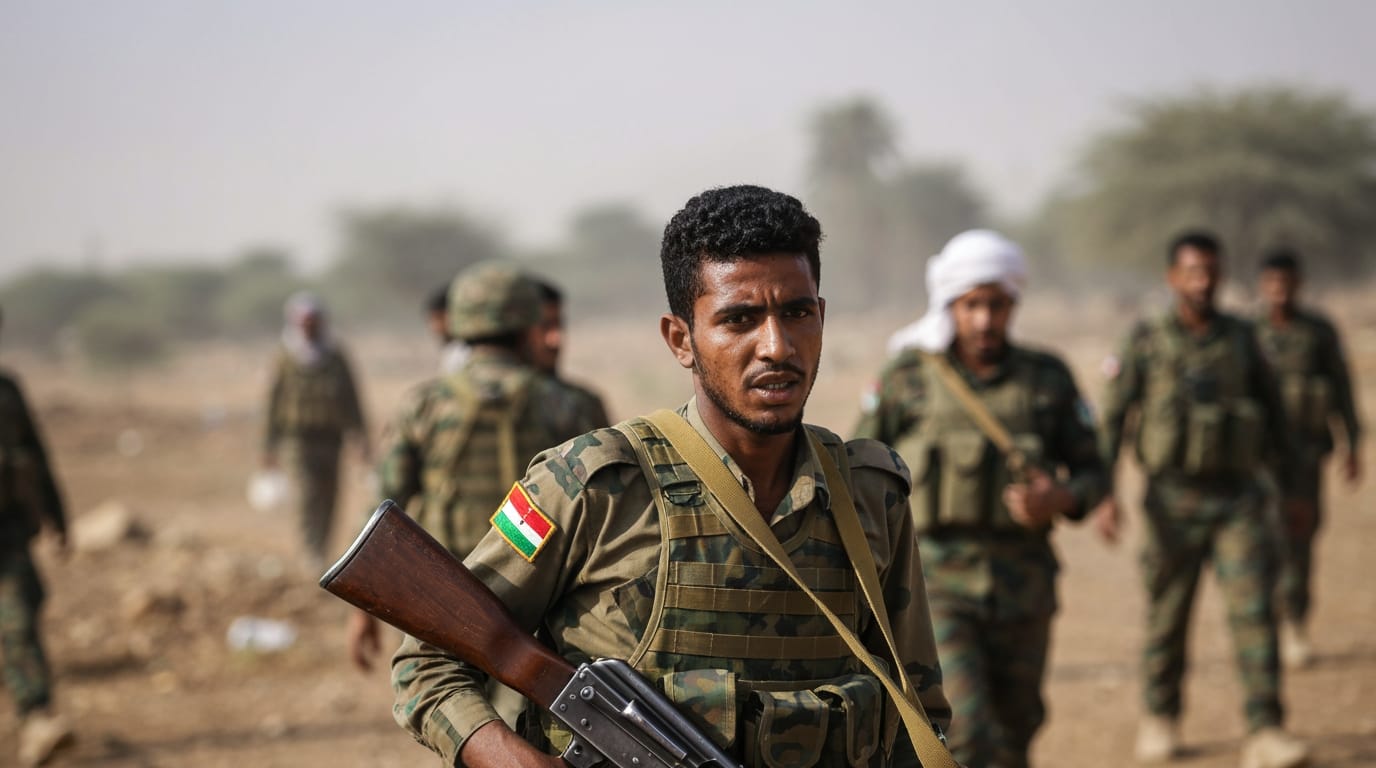
Sana'a, Yemen – A fragile period of relative calm in Yemen has abruptly ended, as intense military confrontations erupted in July 2026 between Houthi rebels and Saudi Arabia, threatening to plunge the war-torn nation back into widespread conflict and further destabilize crucial global shipping lanes. The recent surge in hostilities, marked by Houthi missile and drone attacks on Saudi territory and maritime targets, coupled with retaliatory Saudi airstrikes and preparations for a potential major offensive, signals a dangerous escalation following a two-year unofficial truce.
Escalation on Multiple Fronts
The current flare-up intensified dramatically in mid-July, shattering an informal ceasefire that had largely held since March 2022. Houthi rebels, formally known as Ansar Allah, initiated a naval blockade against Saudi ships in the Red Sea on July 20. This declaration was quickly followed by a series of aggressive actions, including claimed missile and drone attacks targeting vital Saudi oil infrastructure and population centers.
Saudi Aramco facilities in the Eastern Province and the Red Sea export hub of Yanbu were reportedly hit, with satellite images indicating smoke over key oil installations. The Houthis also claimed responsibility for missile attacks on the southern Saudi city of Jizan and Abha International Airport. These land-based assaults were accompanied by maritime strikes, with at least three Saudi commercial vessels, including an oil tanker, reportedly attacked in the Red Sea. Notably, some of these attacks on Saudi Arabia are believed by Saudi and regional partners to have originated from Iraqi territory, conducted in coordination with Iran-aligned Iraqi armed groups under the supervision of Iran's Islamic Revolutionary Guard Corps (IRGC).
In response to the escalating Houthi aggression, Saudi Arabia launched retaliatory airstrikes on Houthi-controlled sites, including the port of Hodeidah and a naval base on Kamaran island. Saudi air defenses have successfully intercepted numerous incoming Houthi missiles and drones. Beyond defensive measures, Riyadh appears to be shifting its strategy from a containment-focused approach to a more assertive military posture. Reports indicate Saudi forces are concentrating for a potential major military offensive by sea and land in central Yemen, with the al-Bayda governorate identified as a possible target. Troop withdrawals from eastern Yemen further suggest preparations for a ground operation. The Houthis have stated their blockade will be lifted only when Saudi Arabia ends its own blockade on Yemen and meets financial demands, including public-sector salaries and a share of Yemen's oil revenue.
The Shattered Truce and a Decade of Conflict
The informal truce, which had brought a semblance of stability since April 2022, was never formalized into a comprehensive peace agreement, leaving underlying disputes unresolved. This fragile arrangement was primarily a de-escalation of cross-border attacks, not a resolution of the broader Yemeni civil war. The conflict, now in its second decade, began in earnest in 2014 when the Houthis seized the capital, Sana'a, leading to Saudi Arabia's intervention in 2015 to support the internationally recognized Yemeni government.
The Houthis are a well-armed, Iran-aligned militant group that controls much of northern Yemen and its Red Sea coastline. They are considered a key component of Iran's "Axis of Resistance," a network of regional proxies. The current flare-up in Yemen is thus deeply intertwined with broader regional tensions and the ongoing wider U.S.-Iran conflict, with analysts warning of the potential for Yemen to become another front in that larger confrontation.
Geopolitical Stakes and Economic Repercussions
The renewed hostilities carry significant geopolitical and economic implications, particularly concerning global energy security. The Red Sea and the Bab al-Mandab Strait are among the world's most critical maritime chokepoints, through which a substantial portion of global trade and oil supplies transit. Saudi Arabia has increasingly relied on the Red Sea route for its oil exports, especially since the Strait of Hormuz, at the mouth of the Persian Gulf, has also faced threats and disruptions due to Iranian actions.
A closure or severe disruption of the Red Sea route would severely constrain Saudi oil exports and could trigger significant global economic repercussions, including rising oil prices. This strategic vulnerability underscores the high stakes of the current Houthi campaign, which aims to exert pressure on Riyadh and extract concessions. The Houthis have historically demonstrated the capability to disrupt maritime traffic in the Bab al-Mandab using drones, missiles, and small boats.
In response to the threats to maritime navigation, Saudi Arabia is actively working to form a multinational maritime defense coalition. Fourteen nations, including Turkey, Pakistan, Egypt, Sudan, and Djibouti, have already issued a joint statement supporting this initiative, which aims to secure freedom of navigation and protect commercial vessels in the Red Sea and Bab al-Mandab.
A Worsening Humanitarian Catastrophe
Beyond the immediate military and economic consequences, the resurgence of conflict threatens to deepen an already catastrophic humanitarian crisis in Yemen. After more than a decade of war, Yemen remains one of the world's largest humanitarian emergencies. In 2026, an estimated 22 million people, representing over two-thirds of the population, require life-saving humanitarian assistance and protection services.
Food insecurity is rampant, with over 18 million people facing acute hunger, including 5.8 million enduring emergency levels of food insecurity. The conflict has devastated Yemen's economy and infrastructure, leading to widespread shortages of food, fuel, and electricity. Children and women are disproportionately affected, with millions of children under five and pregnant or breastfeeding women suffering from acute malnutrition. The healthcare system is severely crippled, with nearly 40 percent of facilities either partially functional or non-functional. International aid efforts are critically underfunded, with the 2026 Yemen Humanitarian Needs and Response Plan (HNRP) seeking over $2 billion but currently facing significant shortfalls. A return to full-scale war would undoubtedly exacerbate these dire conditions, increasing displacement, hunger, and disease.
International Efforts and Responses
The international community has expressed grave concerns over the recent escalation. UN Special Envoy for Yemen, Hans Grundberg, warned that "escalatory actions risk putting Yemen on a path toward further confrontation, drawing the country deeper into an already volatile regional environment, and deepening the suffering of the Yemeni people." He urged all parties to de-escalate and resume negotiations toward a political settlement. The UN Security Council recently extended its reporting mandate on Houthi attacks in the Red Sea, underscoring the international focus on maritime security in the region.
The United States has also been drawn into the regional dynamics. President Donald Trump has issued stern warnings to Iran, holding it accountable for the actions of the Houthis. The U.S. has also engaged in joint airstrikes with Saudi Arabia on sites in Iraq, targeting groups believed to be linked to the attacks on Saudi oil facilities. These actions highlight the growing interconnectedness of conflicts across the Middle East, with Yemen's internal struggle now deeply enmeshed in broader regional power dynamics.
Conclusion
The recent military flare-up between Houthi rebels and Saudi Arabia represents a critical juncture for Yemen and the wider Middle East. The collapse of the unofficial truce and the resumption of direct confrontations carry the immediate threat of reigniting a full-scale civil war, with devastating consequences for a population already enduring one of the world's worst humanitarian crises. The strategic importance of the Red Sea and Bab al-Mandab Strait further elevates the international stakes, potentially impacting global energy markets and drawing in more regional and international actors. While diplomatic efforts continue, the current trajectory points towards increased instability, underscoring the urgent need for a renewed and concerted push towards a comprehensive and lasting political solution to avert a deeper catastrophe.


