Fragile Peace in the Persian Gulf Offers Hope for Easing Global Energy Crisis
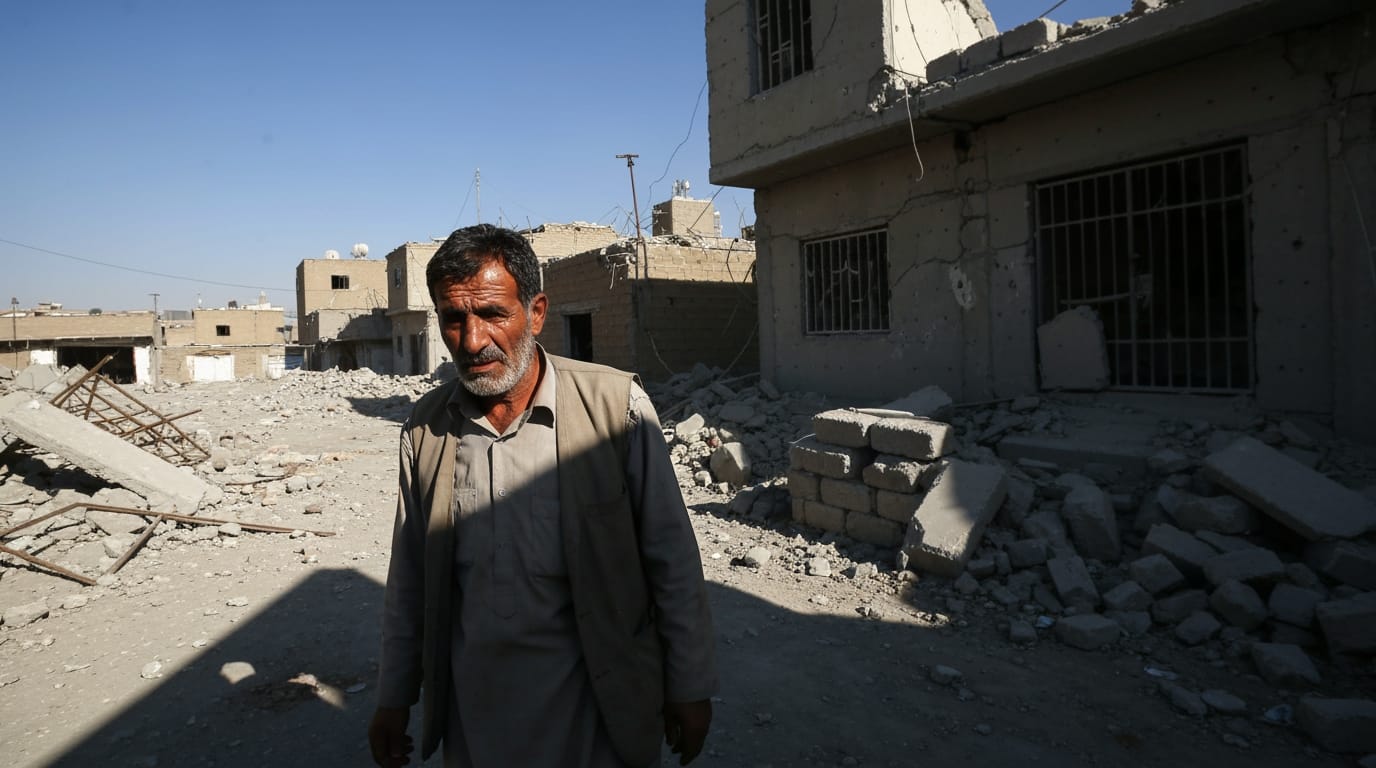
DUBAI/WASHINGTON – A preliminary agreement between the United States and Iran, announced today, to end the recent conflict and reopen the strategically vital Strait of Hormuz has sent a wave of cautious optimism through global energy markets. The deal offers a potential reprieve from the unprecedented energy crisis that has gripped the world since late February 2026, when hostilities erupted and the critical shipping lane was effectively shut down. Brent crude prices plummeted by over 4% following the news, dipping to around $83-$84 per barrel, reflecting hopes for renewed stability in oil and liquefied natural gas (LNG) supplies. However, experts warn that while immediate relief may be on the horizon, the conflict has indelibly reshaped the global energy landscape, accelerating calls for greater energy independence and a faster transition away from fossil fuels.
The Hormuz Crisis Unfolds: A Global Energy Shock
The "Iran war," initiated by U.S. and Israeli attacks against Iran in late February, rapidly escalated into a profound global energy disruption. The conflict saw Iran respond with retaliatory strikes and, crucially, the effective closure of the Strait of Hormuz. This narrow waterway, situated between Iran and Oman, serves as the choke point for approximately 20% of the world's oil supplies and a significant volume of LNG. The swift blockage of this maritime artery triggered what the International Energy Agency (IEA) characterized as the "largest supply disruption in the history of the global oil market" and the "greatest global energy security challenge in history".
Within days of the conflict's onset, tanker traffic through the Strait collapsed, restricting shipments by more than 90%, representing a loss of around 10 million barrels per day of oil production. Attacks on energy infrastructure in Iran and several Gulf Cooperation Council countries further exacerbated the crisis, leading to a dramatic surge in crude oil prices. Brent crude prices initially soared by 10-13% to $80-$82 per barrel by March 2, 2026, and later surpassed $120 per barrel after the full closure of the Strait on March 4. The war precipitated a second major energy crisis for Europe, especially due to the suspension of Qatari LNG and the Strait's closure, coinciding with historically low European gas storage levels.
Economic Fallout and Widespread Strain
The repercussions of the Hormuz closure resonated far beyond the Middle East, inflicting significant economic damage worldwide. Global oil consumption was forecast to decrease by 1.1 million barrels per day over 2026, a stark reversal from earlier projections of growth. Consumers immediately felt the pinch at the pump, with gasoline prices climbing dramatically. In the U.S., average gasoline prices rose by about 20% since the war began, and diesel prices jumped by 28%, significantly increasing transportation costs for nearly all goods. This inflationary pressure was a major concern for economists, with estimates suggesting U.S. inflation could rise significantly.
The disruption to supply chains was widespread. Fuel shortages and panic buying became common in many countries dependent on Persian Gulf imports. Airlines faced threats of higher costs and flight cancellations due to a critical shortage of jet fuel, particularly in Europe, which historically received about 75% of its jet fuel from the Middle East. The crisis underscored the global economy's deep vulnerability to disruptions in key energy chokepoints and its heavy reliance on fossil fuels. Stock markets experienced global declines, and bond markets saw a sell-off amidst heightened risks of stagflation and recession.
A Glimmer of Hope: The Ceasefire and Reopening of Hormuz
After months of intense geopolitical tension and severe economic pressure, U.S. and Iranian officials have reportedly reached a preliminary agreement to halt the conflict and facilitate the reopening of the Strait of Hormuz. This development, announced on June 15, 2026, has already injected a degree of relief into jittery markets. Brent crude futures, which had been elevated for months, dropped sharply by approximately 4% to between $83 and $84 per barrel. The agreement includes a planned reopening of the Strait following a formal signing expected on June 19, though the exact details of safe passage and oversight are still being clarified.
The immediate impact of the news is a reduction in the risk premium associated with Middle Eastern oil supplies. However, the U.S. Energy Information Administration (EIA) forecasts that even with the Strait reopening in the third quarter of 2026, it will likely take several months for traffic to ramp up to pre-conflict levels, with full recovery not expected until early 2027. This suggests that while the acute phase of the crisis may be ending, its lingering effects on global supply chains and prices will persist for some time.
The Path Forward: Energy Security and Transition
The "Iran war" has served as a stark, costly lesson in the fragility of global energy security heavily reliant on a single region and its chokepoints. While the immediate crisis may ease with the reopening of the Strait of Hormuz, the long-term implications are profound. The conflict has significantly altered strategic thinking, pushing nations to re-evaluate their energy portfolios and accelerate the transition towards more resilient and diverse sources.
Reports from BloombergNEF indicate that the successive energy market shocks of the past few years, including the recent conflict, are driving countries to decouple from imported fossil fuels and bolster their energy security through clean technologies. Investments in clean energy hit new records in 2025, with two-thirds of global energy investment flowing into renewables, electric vehicles, and other clean options. Solar power, in particular, is emerging as a dominant force, expected to become the world's single largest source of electricity within the next six years. Even during the conflict, some countries, especially in Asia, significantly increased their deployment of renewable energy technologies as an alternative to disrupted oil and gas supplies.
The recent crisis has also sparked renewed interest in nuclear power, particularly in Asia, which has historically been heavily reliant on Middle Eastern oil and natural gas. Countries are now prioritizing "execution over ambition" in their energy strategies, focusing on building out grids, factories, and clean energy infrastructure to secure future supplies.
As the world breathes a collective sigh of relief over the ceasefire, the "Iran war" has irrevocably cemented energy security as a top global priority. The question is no longer merely "when will the energy crisis end?" but rather, "how quickly and effectively can the world pivot to a more secure and sustainable energy future?" The current peace deal may mark the end of an immediate crisis, but it heralds the intensification of a long-term strategic transformation in the global energy system.