Strait of Hormuz Reopening Faces Uphill Battle for Return to Pre-Conflict Norms
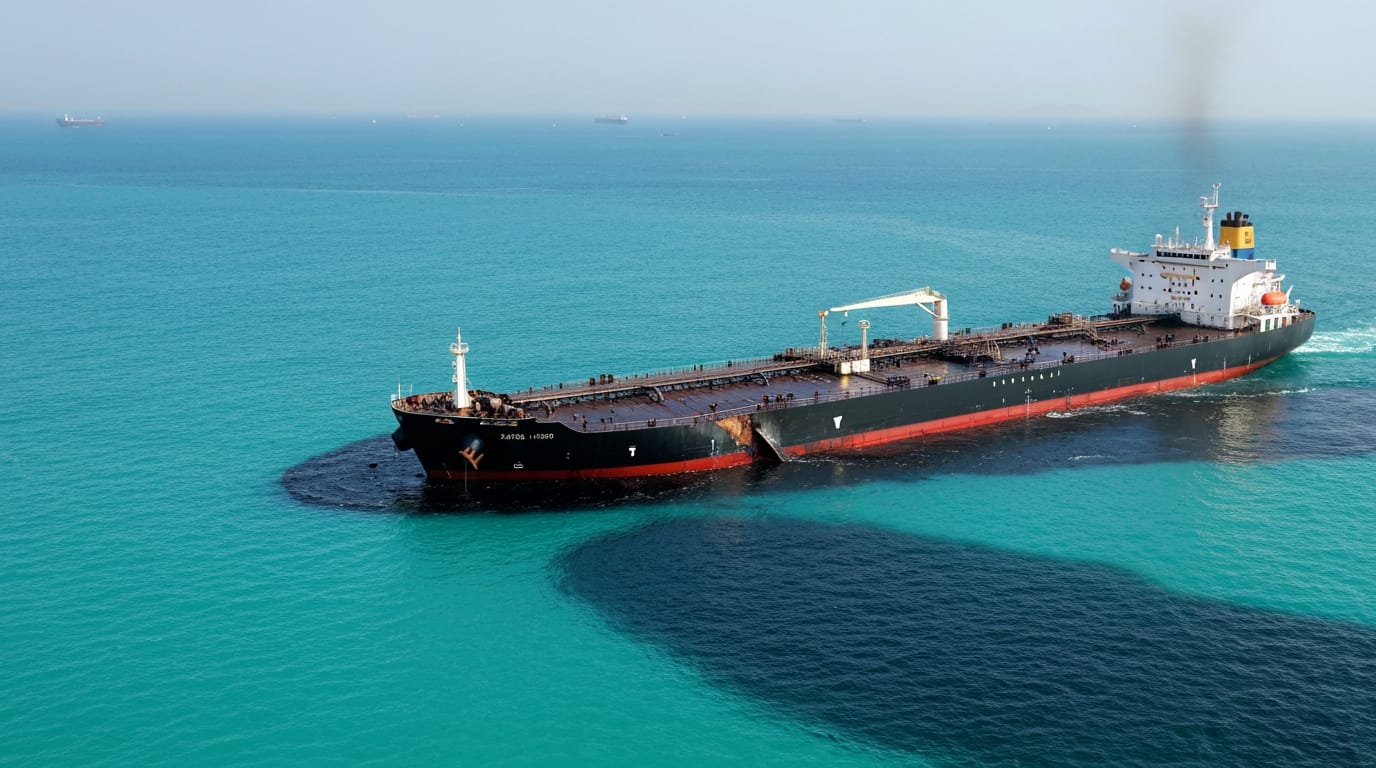
Dubai, UAE – Despite recent overtures towards reopening the vital Strait of Hormuz, the world’s most critical oil chokepoint, maritime industry experts and energy analysts caution that a return to pre-conflict shipping normalcy remains a distant prospect. The severe disruptions experienced in early 2026 have inflicted deep structural damage, compelling a re-evaluation of global energy and trade logistics that will resonate for years to come. Even with an initial deal to reopen the strait announced, the underlying geopolitical tensions, staggering insurance costs, and accelerated development of alternative routes indicate that the era of unchallenged passage through Hormuz may be irrevocably over.
The Anatomy of a Chokepoint Crisis: Unprecedented Disruption
The Strait of Hormuz, a narrow waterway between Oman and Iran, is undeniably the linchpin of global energy trade. It links the oil-rich Persian Gulf with the Gulf of Oman and the Arabian Sea, serving as the primary maritime gateway for major Middle Eastern oil and gas exporters. In 2022, approximately 21 million barrels of oil per day, accounting for about 21% of global petroleum liquids consumption, transited the strait. Additionally, roughly one-fifth of the world's liquefied natural gas (LNG) trade also relies on this passage. The majority of this vital energy, around 80%, is destined for Asian markets, primarily China, India, Japan, and South Korea.
This indispensable artery faced an unprecedented crisis beginning February 28, 2026, when US and Israeli forces launched strikes against Iran. In swift retaliation, Iran initiated missile and drone attacks on regional targets, issued stark warnings against passage, and reportedly boarded merchant ships and deployed sea mines within the strait. This dramatic escalation effectively shuttered the waterway to commercial traffic. Major shipping lines, including Maersk, MSC, CMA CGM, and Hapag-Lloyd, immediately suspended transits. Tanker traffic plummeted to near zero, operating at approximately 5% of its pre-war average by April 2026, leaving over 1,550 vessels and 22,500 mariners stranded in and around the strait. The disruption was so profound that European Commission President Ursula von der Leyen recently stated that the EU would actively pursue alternative routes to circumvent the strait, acknowledging the weaponization of energy reliance.
Economic Ripples: Skyrocketing Costs and Supply Chain Shocks
The immediate economic fallout from the 2026 Hormuz closure was severe and far-reaching. Global oil prices surged dramatically, with Brent crude surpassing $100 per barrel in early March and peaking at $126 per barrel. This price shock was described as more acute than any other conflict in recent history, leading to widespread fuel shortages and contributing to a slowdown in global economic growth.
Beyond the raw cost of oil, shipping insurance premiums skyrocketed, fundamentally altering the economics of transit through the region. War risk insurance, which typically cost around 0.1% to 0.15% of a vessel's value in peacetime, surged to between 3% and 10% during the crisis. For a $100 million oil tanker, this translated to a staggering $5 million to $7.5 million in insurance costs per transit. While these premiums have seen some recent easing, they remain significantly elevated, up to eight times higher than pre-war levels, creating an enduring financial burden for shippers. The higher operating expenses, fueled by insurance and security costs, are impacting investors in shipping and logistics sectors. The combination of heightened risk and exorbitant costs means that even if vessels are physically permitted to pass, the economic viability of the route is severely compromised, compelling companies to seek alternatives.
The Scars of Distrust and the Quest for Alternatives
The extended period of disruption and uncertainty has eroded confidence in the reliability of the Strait of Hormuz as a predictable trade corridor. The incident highlighted the fragility of global supply chains dependent on narrow maritime chokepoints. This has spurred an accelerated drive among regional energy producers and international consumers to develop and utilize bypass infrastructure.
Key players in the Gulf have long recognized the vulnerability of the Strait. Saudi Arabia operates its East-West Pipeline system, capable of transporting approximately 5 million barrels per day, bypassing the strait to reach Red Sea export terminals. Similarly, the United Arab Emirates (UAE) is fast-tracking the expansion of its Habshan-Fujairah pipeline, aiming to double its crude export capacity through Fujairah by 2027. This strategic move would allow the UAE to export oil from ports outside the Strait of Hormuz, significantly reducing its reliance on the chokepoint. Iraq, heavily dependent on Hormuz for nearly 90% of its oil exports in 2025, is also under mounting pressure to diversify its energy export routes to enhance economic resilience. These investments represent a fundamental strategic shift, indicating that Gulf monarchies are no longer treating Hormuz disruptions as temporary crises but rather as structural challenges requiring long-term solutions.
For global consumers, particularly in Europe, the search for alternatives is equally urgent. The European Union has declared its intent to reduce dependence on transit through the Strait, exploring initiatives like the proposed India–Middle East–Europe Economic Corridor (IMEC) to build more resilient trade routes. The long-term strategy also includes a broader acceleration of the energy transition to reduce overall reliance on imported oil and LNG, thereby mitigating exposure to volatile regions.
A New Normal: Structural Shifts and Lingering Risks
The 2026 Hormuz closure, even if resolved on paper, represents a watershed moment in global maritime trade. The "prewar" equilibrium, characterized by relatively stable and predictable shipping flows through the strait, is unlikely to be restored in the near future. The damage is not merely temporary; it has instigated structural changes in how nations approach energy security and trade logistics.
The lingering geopolitical tensions between Iran and various international actors, coupled with the proven effectiveness of disrupting the strait, means that security concerns will remain paramount. The potential for future hostilities, even if intermittent, will keep insurance premiums elevated and deter some shippers from routinely using the route. The US Navy's continued involvement in ensuring safe passage underscores the persistent security challenges. Furthermore, the humanitarian impact, with medical supplies cut off to vulnerable populations, highlights the broader consequences of such disruptions beyond economic metrics.
Conclusion
While an initial agreement to reopen the Strait of Hormuz offers a glimmer of hope for easing immediate pressures, the path back to a pre-conflict operational tempo is fraught with obstacles. The recent crisis has exposed the profound vulnerabilities of a global economy reliant on a single, strategically sensitive chokepoint. The lessons learned have prompted a decisive shift towards diversification, alternative infrastructure, and a re-evaluation of energy dependencies. The financial burdens of heightened risk, coupled with the irreversible investments in bypass capabilities, suggest that the "normal" of yesteryear for shipping through the Strait of Hormuz will remain a historical footnote, replaced by a more fragmented, cautious, and resilient global trade landscape.