Franco-German Axis Bolsters European Unity Amid Geopolitical Storms
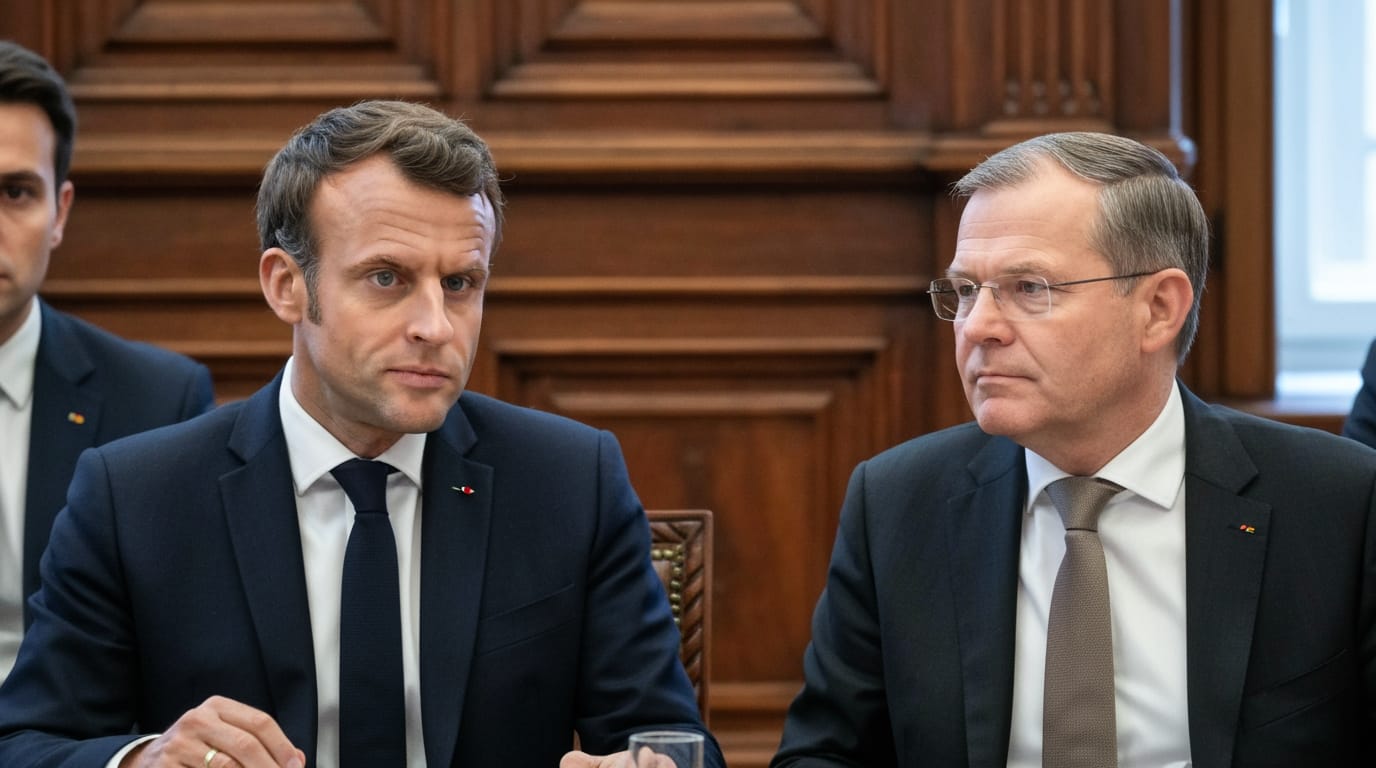
COLOGNE, Germany – The enduring partnership between France and Germany took center stage this week as German Chancellor Friedrich Merz hosted French President Emmanuel Macron and their respective cabinets for pivotal bilateral talks near Cologne. The high-level consultations, spanning July 16 and 17, 2026, underscored the two nations' commitment to deepening cooperation across critical sectors, including defense, economy, and broader European strategic autonomy, in the face of escalating global uncertainties. The meetings, held at historic venues such as Schloss Bensberg, Nörvenich Air Base, and Augustusburg Palace, aimed to inject new momentum into the Franco-German engine, traditionally seen as the driving force behind the European Union.
A Renewed Commitment in Challenging Times
The Franco-German relationship, solidified by the Elysée Treaty and further enhanced by the Treaty of Aachen, has historically served as the bedrock of European integration. With Chancellor Merz now at the helm in Berlin, expectations are high for a revitalized partnership with President Macron, particularly following what some observers characterized as a strained period with the previous German administration. Europe is currently grappling with a confluence of geopolitical, economic, and security challenges, including the ongoing conflict in Ukraine, an evolving security landscape in the Middle East, and increasing pressures on global supply chains. Against this backdrop, the joint cabinet meeting brought together senior ministers from both countries to forge common strategies and reinforce European solidarity.
The two largest economies in the European Union, France and Germany, are keenly aware of their collective responsibility to shape the EU's strategic direction. This week's discussions reflected a shared urgency to address these complex issues, with both leaders emphasizing the necessity of a united European front. Merz's stated dedication to Franco-German relations and his alignment with Paris on several key policy issues, such as support for Ukraine and a robust defense posture, signal a potentially more cohesive approach to European leadership.
Forging a Common Defense Posture
Defense cooperation emerged as a paramount theme during the two-day summit, signaling a concerted effort to enhance Europe's security capabilities. A significant outcome of the talks was the announced participation of German troops in French nuclear deterrence exercises, a historic first that underscores a practical step toward deeper integration in strategic defense. This move follows a bilateral steering group established in March, tasked with discussing issues related to the combination of nuclear and conventional deterrence. French President Macron's earlier proposal for "forward nuclear deterrence," which could see European allies participating in French nuclear exercises and potentially hosting French nuclear assets, appears to be gaining traction with Berlin.
Beyond nuclear deterrence, discussions delved into conventional military capabilities, focusing on early warning systems, long-range strike capabilities, and air and missile defense. Symbolizing this intensified collaboration, a joint refueling operation involving a French Rafale fighter, capable of carrying nuclear weapons, and a German Air Force Eurofighter took place at Nörvenich Air Base. This exercise marked a tangible implementation of a nuclear partnership agreement reached by Merz and Macron earlier in the year.
However, the path to a fully aligned Franco-German defense strategy is not without its challenges. The recent decision to scrap the landmark Future Combat Air System (FCAS) fighter jet program due to industrial rivalries highlighted existing strains. Differences persist regarding the extent of Europe's reliance on U.S. weapons technology versus the development of sovereign European defense capabilities, particularly in missile defense. Despite these disagreements, both nations pledged to continue developing elements of the FCAS project, particularly focusing on data links between warplanes and related "combat cloud" software. Space cooperation, including reaffirming support for the EU's planned secure satellite communications constellation IRIS², also remained on the agenda, even as Berlin simultaneously pursues its own military satellite constellation project.
Economic Resilience and European Competitiveness
While defense dominated many headlines, the cabinet talks also encompassed a broad array of economic and European policy matters critical to the continent's future. Leaders addressed economic policy, energy security, industrial policy, and enhancing European competitiveness. The discussions underlined a shared ambition to foster growth and innovation within the EU, particularly in digital technologies.
Efforts to streamline the European regulatory environment were also a key talking point. Germany and France are jointly advocating for greater progress in reducing bureaucracy, urging the European Commission to present further "omnibus packages" in its 2027 work program. They also pressed for the implementation of the "One Europe, One Market" roadmap, emphasizing the adoption of a 28th regime for startups and the reform of financial market supervision. These initiatives aim to create a more integrated and dynamic single market, fostering an environment conducive to European businesses and investment.
Support for Ukraine remained a central component of the discussions, as did broader issues of peace and security in Europe and the situation in the Middle East. The leaders also aimed to narrow differences over the future budget of the European Union, a perennial point of negotiation among member states.
Charting a Course for the Future
The joint cabinet meeting concluded with expectations for several declarations from the Franco-German Defence and Security Council and the broader ministerial gathering, signaling concrete steps forward in bilateral cooperation. The gathering at Augustusburg Palace, a site deeply symbolic of Franco-German reconciliation and cooperation, served to reinforce the historical bonds between the two nations and their shared vision for a stronger Europe.
While acknowledging that not every aspect of their cooperation is perfectly aligned, French and German officials stressed the overarching importance of their partnership in navigating a turbulent global landscape. The talks highlighted that despite individual national interests and ongoing industrial rivalries, the commitment to common European goals remains paramount. The meetings underscore that the Franco-German axis continues to be an indispensable force for stability and strategic direction within the European Union, striving to act together on realistic goals to enhance the security and prosperity of the continent. The success of these ongoing efforts will be crucial in defining Europe's role on the global stage for years to come.


