French Literary World Rocked as Authors Desert Publisher Over Billionaire's Influence
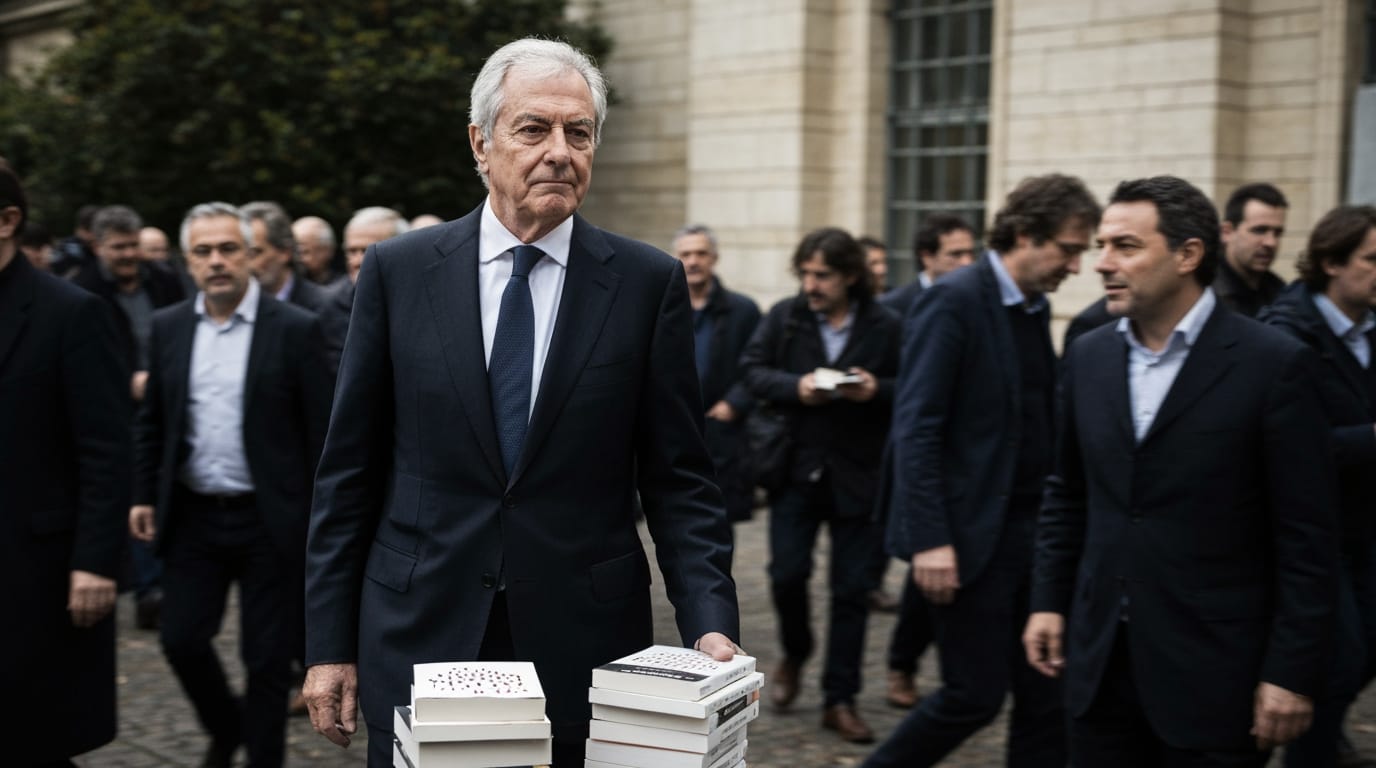
PARIS – More than a hundred prominent French authors have initiated an unprecedented exodus from the esteemed publishing house Grasset, protesting the perceived ideological encroachment of its conservative billionaire owner, Vincent Bolloré. This mass walkout, triggered by the abrupt dismissal of Grasset's long-serving editor, Olivier Nora, signals a deepening ideological schism within France's cultural landscape and raises urgent questions about editorial independence in an era of media consolidation.
The Grasset Exodus: A Stand for Editorial Autonomy
The historic French publishing house Grasset, renowned for its contributions to French literature, has been plunged into turmoil following the departure of over 100 writers, a number reported to be as high as 140 by some accounts. This collective action was directly spurred by the recent ousting of Olivier Nora, who had helmed Grasset for 26 years and was widely regarded by authors as a crucial safeguard against commercial and political pressures. Authors assert that Nora's dismissal, reportedly linked to a disagreement over the publication schedule for a book by conservative French-Algerian novelist Boualem Sansal, represented an unacceptable assault on editorial independence. Sansal, whose recent release from prison in Algeria led to speculation about his motivations for switching publishers, was reportedly "imposed" on Nora by Bolloré's conglomerate.
Writers who have joined the protest include acclaimed figures such as punk feminist novelist Virginie Despentes, philosopher Bernard-Henri Lévy, and celebrated authors Vanessa Springora and Laurent Binet. In a widely circulated open letter, the authors declared their refusal to be "hostages in an ideological war that seeks to impose authoritarianism everywhere in culture and the media." They explicitly stated their unwillingness for their ideas and work to become the "property" of Bolloré. The symbolic nature of their defiance was further underscored when journalist and writer David Dufresne publicly tore up his Grasset contract on television, asserting that Bolloré's interests lay in "commerce and ideology, not literature or essays." Beyond ceasing to sign future works with Grasset, some authors are exploring legal avenues to reclaim rights to their previously published books.
Bolloré's Expanding Media Empire and Ideological Footprint
This dramatic upheaval at Grasset unfolds within the broader context of Vincent Bolloré's strategic acquisition and reshaping of the French media landscape. The 74-year-old conservative billionaire, known for his proximity to far-right figures, controls Vivendi, a global media conglomerate. In 2023, Vivendi successfully acquired Lagardère, which included Hachette Livre, France's largest publisher and book distributor, making Grasset a part of Bolloré's extensive portfolio. This acquisition followed Vivendi's divestiture of Editis, France's second-largest publisher, in November 2023, a condition mandated by the European Commission to ensure fair competition within the book market.
Bolloré's influence extends far beyond publishing, encompassing television, radio, and newspapers, including Le Journal du Dimanche, which critics allege has been steered sharply to the right. His track record demonstrates a pattern of interventionist editorial decisions across his media holdings. A notable precedent within Hachette Livre is the case of Fayard, another subsidiary, which saw its highly respected head, Sophie de Closets, removed in 2022 due to disagreements with management. Since then, Fayard has increasingly published works by right-wing and far-right authors and politicians, including former President Nicolas Sarkozy and Jordan Bardella. This history fuels authors' concerns that Grasset, under Bolloré's ownership, would similarly become a platform for particular ideological viewpoints, compromising its traditional role as a diverse literary home.
A Battle for the Soul of French Publishing
The mass withdrawal of authors from Grasset is more than a commercial dispute; it represents a profound battle for the ethical and creative soul of French publishing. Authors argue that Nora's removal, regardless of the official explanation, signifies a direct assault on the fundamental principle of editorial independence. They contend that the balance that allowed diverse voices to coexist within Grasset is now under severe threat. The literary world, often seen as a bastion of intellectual freedom and pluralism, is now confronting the ramifications of concentrated media ownership.
The sentiments expressed by the departing authors resonate deeply within French intellectual circles, where the integrity of cultural institutions is highly valued. The open letter underscores a unified stand across a typically fragmented literary scene, highlighting the depth of concern over Bolloré's expanding influence. This unprecedented unity, as one commentator noted, demonstrates how "firing a publisher, Bolloré united writers, who are usually unpredictable and solitary."
Wider Implications for Culture and Democracy
The Grasset affair carries significant implications for the broader French cultural landscape and the preservation of democratic principles. The events, unfolding prominently during the Paris book fair, have captured national and international attention. Even French President Emmanuel Macron has reportedly expressed sympathy for the authors, acknowledging the widespread concern. The situation forces a critical examination of media ownership and its potential impact on the diversity of opinions and creative works available to the public.
Critics warn that if a powerful figure can dictate editorial lines across major publishing houses and media outlets, it could lead to a homogenization of thought and a narrowing of cultural discourse. The authors' steadfast refusal to cede their creative autonomy serves as a stark reminder of the ongoing tension between commercial interests, ideological agendas, and the imperative for artistic freedom. The legal actions being contemplated by authors to reclaim their rights further underscore the long-term struggle for control over intellectual property and creative direction within the evolving media environment.
In conclusion, the mass exodus of authors from Grasset under Vincent Bolloré's ownership marks a pivotal moment in French publishing history. It is a powerful statement against the perceived erosion of editorial independence and a vivid demonstration of the cultural sector's resistance to ideological control. As the controversy continues to unfold, its resolution will undoubtedly shape the future of French literature and the delicate balance between corporate power and artistic freedom in the years to come.


