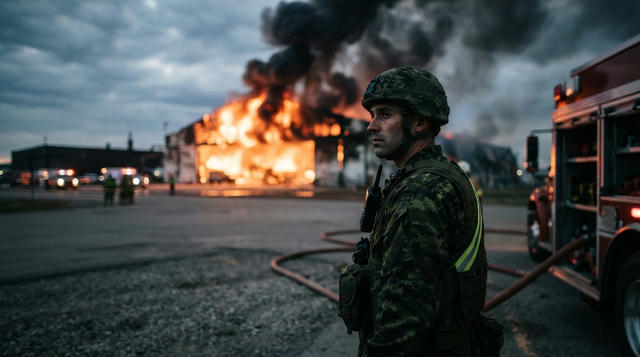
French Police Arrest 1,800 After Cost of Living Protests Turn Violent
The widespread unrest caused heavy damage to civic buildings, left hundreds injured, and prompted an emergency cabinet meeting six months before the 2027 presidential election.
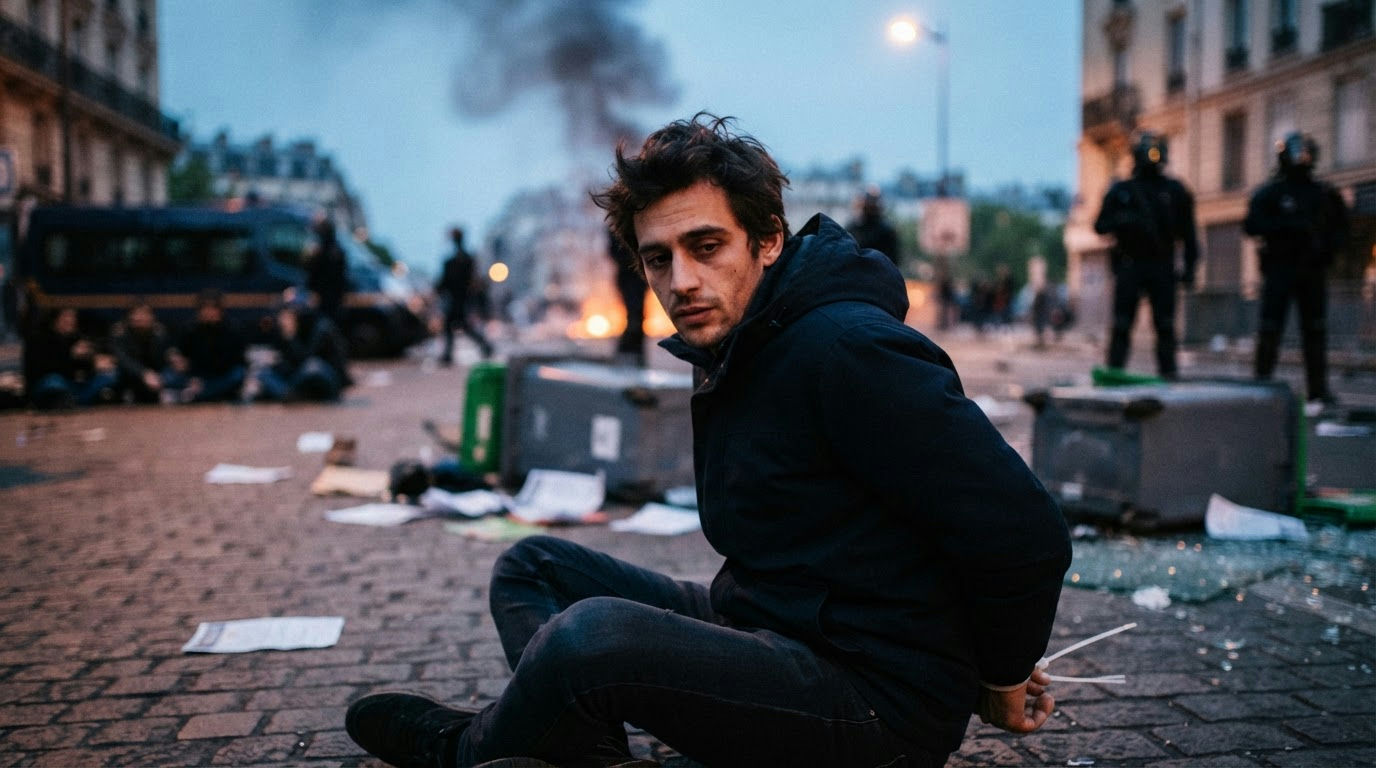
Violent clashes, looting, and arson broke out across France on Saturday, Oct. 17, 2026, during nationwide demonstrations over inflation and living costs. Protesters marched in dozens of cities before groups attacked public buildings, burned vehicles, and ransacked stores.
Interior Minister Laurent Nuñez announced on Sunday, Oct. 18, that police arrested at least 1,800 people across the country. Paris police reported that 855 of those arrests occurred in the capital region. Prime Minister Sébastien Lecornu had initially reported 1,200 arrests late Saturday before officials revised the count upward.
The Interior Ministry stated that more than 500 police officers, gendarmes, and firefighters sustained injuries during the unrest. Prime Minister Lecornu had initially reported 150 injured officers late Saturday. One protester died north of Paris after suffering a cardiorespiratory arrest during the disorder.
In Limoges, masked individuals torched a police car before breaking into the historic city hall around 6:00 p.m. The fire destroyed about two-thirds of the facade and brought down the roof and bell tower. The building was inaugurated in 1883 and received protected historic monument status in 1975.
Haute-Vienne Prefect Maurice Barate called the fire a deliberate act of destruction and a catastrophe for regional heritage. Limoges Mayor Guillaume Guérin condemned the incident as an assault on republican institutions. Public buildings and town halls were also breached, vandalized, or set on fire in Marseille, Lyon, Lille, and Bordeaux.
In Paris, rioters burned cars, ransacked shops near Place de la République, and briefly entered the 10th arrondissement town hall. Paris Mayor Emmanuel Grégoire stated that entire streets were devastated, though he emphasized that most demonstrators assembled peacefully.
Turnout estimates differed between authorities and organizers. The Interior Ministry counted about 550,000 demonstrators across 110 marches, including 110,000 in Paris. The CGT trade union and student groups estimated that 800,000 people took part nationwide.
The demonstrations combined student protests over school conditions and teacher shortages with wider grievances reminiscent of the 2018 Yellow Vest protests. The CGT mobilized alongside climate and education activists to demand higher wages, increased pensions, price controls, and public service funding. The unrest occurred six months before the 2027 presidential election.
President Emmanuel Macron stated that perpetrators who damaged infrastructure, businesses, and offices would be prosecuted and punished. Interior Minister Nuñez blamed far-left elements and delinquents for hijacking the marches, adding that the government would not declare a state of emergency. Far-right figure Marine Le Pen accused far-left politicians of legitimizing street violence.
Far-left leader Jean-Luc Mélenchon joined the Paris marches to support worker and student demands. Prime Minister Lecornu condemned the intensity of the violence, noting that it was fortunate casualty totals were not higher.
Macron scheduled an emergency cabinet meeting for Sunday afternoon followed by a televised address to the nation at 8:00 p.m. Nuñez said police investigations are underway to identify arsonists and looters. In Limoges, structural engineers and heritage officials plan to conduct formal damage assessments on the ruined town hall.