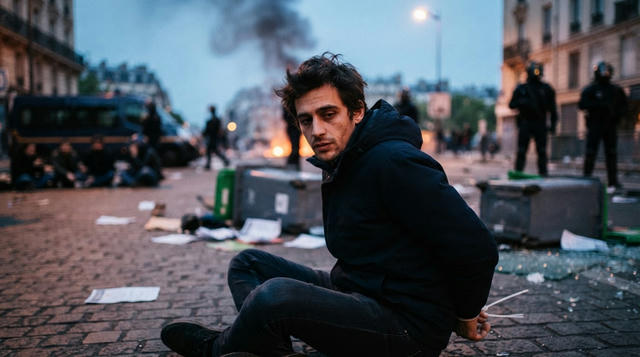
No Kings Movement Rallies Voters Nationwide Ahead of Midterm Elections
The progressive coalition shifted from street demonstrations to voter turnout efforts to counter election interference and protect voting access before November.
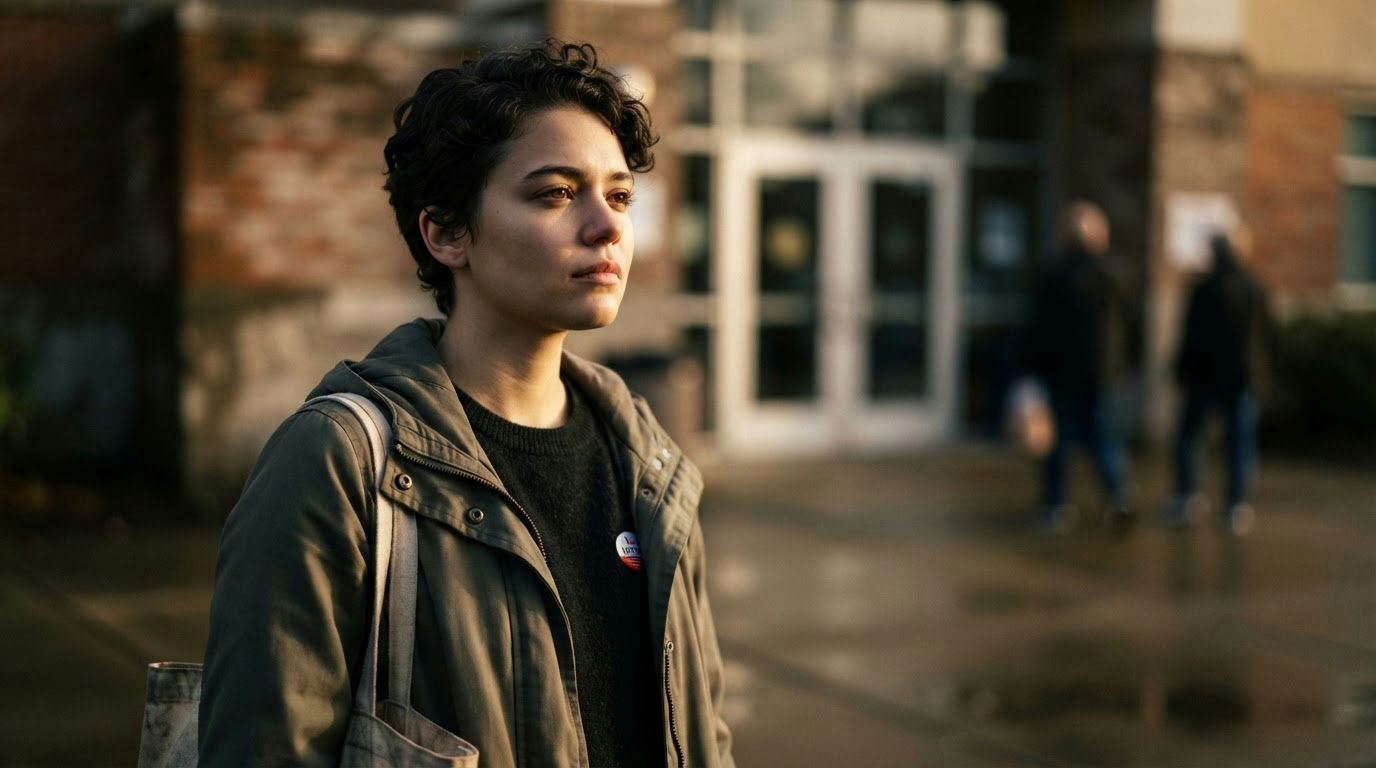
A grassroots coalition behind the nationwide No Kings protests staged voting drives across all 50 states and Washington, D.C., on Saturday, October 17, 2026. The day of action marked a shift in strategy from street demonstrations to early voter turnout ahead of the November 3 midterm elections.
Organizers and several news outlets reported more than 3,000 events took place nationwide. Other initial estimates counted more than 2,500 planned gatherings. Turnout in multiple cities appeared visibly smaller than during earlier demonstrations as organizers favored localized registration drives and block parties over central rallies.
In Washington, several hundred people gathered at the Lincoln Memorial with live brass music, banners, and papier-mâché figures. Regional gatherings also took place in cities including Atlanta, Minneapolis, Los Angeles, and Las Vegas. Local speakers included Minnesota Attorney General Keith Ellison and California State Senator Sasha Renee Perez.
The coalition included Indivisible, the American Civil Liberties Union, the Black Voters Matter Fund, and Common Cause. Organizers maintained that the events were nonpartisan civic drives. They barred formal campaign speeches and candidate endorsements at coalition gatherings.
Indivisible co-founder Ezra Levin said organizers wanted people to vote early to make the election too large to tamper with. Deirdre Schifeling of the ACLU said the group prepared legal actions to counter voter disenfranchisement. Joel Payne of MoveOn Civic Action said high early turnout offered the best defense against election interference.
Alma Couverthie of Common Cause said heavy early voting would ensure results could not be questioned after Election Day. Beatriz López of Voto Latino said early voting helped low-income voters resolve registration errors before Election Day. President Donald Trump and his administration dismissed claims that he acted like a monarch, while questioning mail voting procedures.
The No Kings movement formed during Trump's second administration to oppose executive actions, federal workforce dismissals, and border enforcement. Organizers estimated that a previous demonstration on March 28 drew between 8 million and 9 million participants. In September, the Supreme Court halted federal attempts to limit mail-in ballots.
Tensions rose the week before the rallies when the Department of Justice sued California officials over mail-in ballot verification. In response to potential mail delays and legal disputes, organizers urged voters to use drop boxes and in-person voting options.
The coalition scheduled a national organizing call on Wednesday, October 21, to train volunteers for election monitoring. Early voting will expand to Texas on October 19 and New York on October 24 before the November 3 election determines control of Congress.