From Death Strip to Lifeline: Germany's Former Border Emerges as a Vibrant Biodiversity Oasis
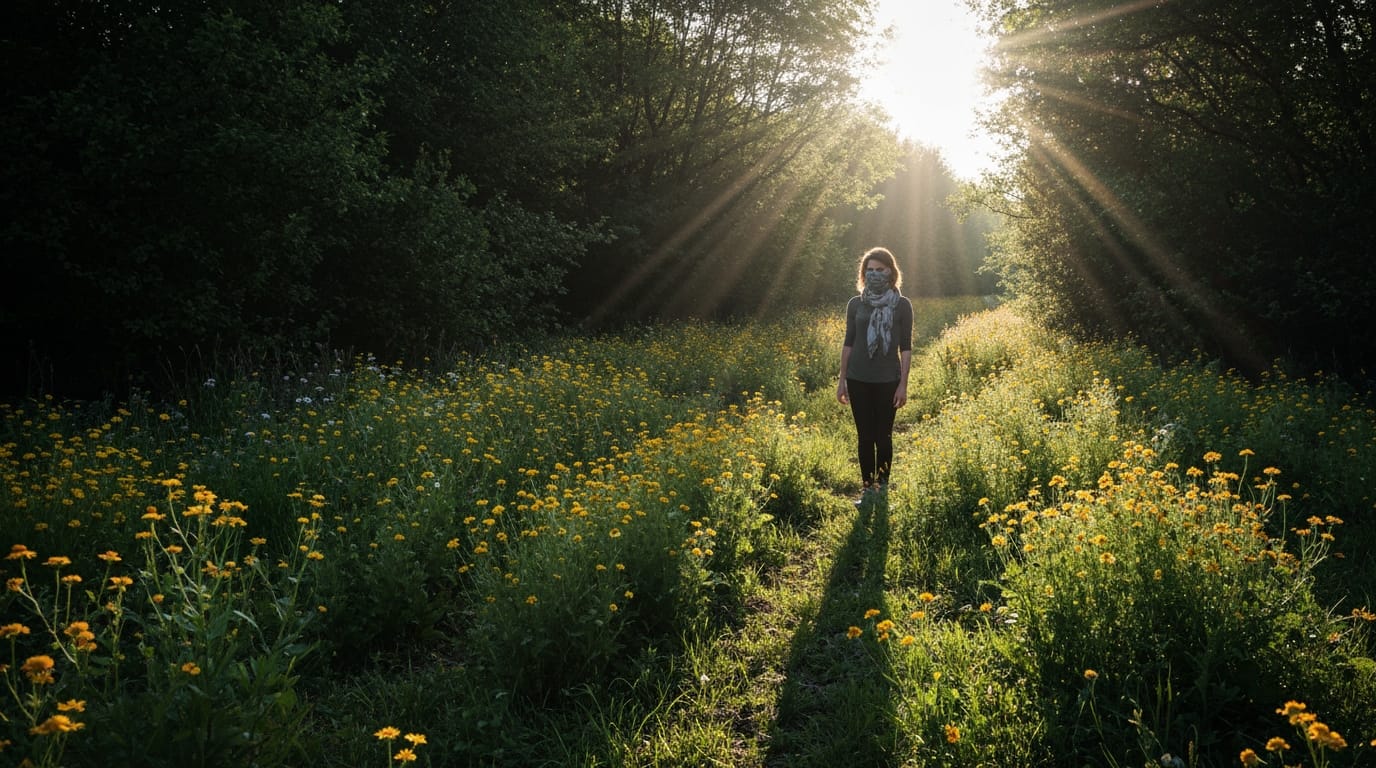
Three decades after the fall of the Berlin Wall, a scar across the heart of Germany, once a brutal symbol of division and a deadly no-man's land, has undergone an extraordinary metamorphosis, blossoming into one of Europe's most significant ecological corridors: the German Green Belt. This 1,400-kilometer ribbon of wilderness, stretching from the Baltic Sea to the Bavarian-Czech border, stands today as a living monument, a testament to nature's resilience and a powerful emblem of peace and reunification, showcasing an unparalleled array of biodiversity in a landscape once synonymous with repression and danger.
The Iron Curtain's Unintended Sanctuary
For over 40 years, from 1945 to 1989, the Inner German Border served as the physical manifestation of the Iron Curtain, separating East and West Germany with an elaborate and formidable array of fortifications. On the eastern side, this frontier was a heavily guarded zone of high metal fences, walls, barbed wire, anti-vehicle ditches, watchtowers, and minefields, patrolled by 50,000 armed GDR guards. Villages were razed, and populations forcibly resettled to create a clear line of sight, turning the area into a "death strip" where hundreds died attempting to escape. Paradoxically, this intense human exclusion and militarization created an inadvertent sanctuary for wildlife. With human activity largely halted or severely restricted, the border strip remained untouched by intensive agriculture, industrial development, and other human pressures that reshaped much of the surrounding German landscape. Nature was effectively given a "pause" for nearly half a century.
Biologists, even in the 1970s, began to notice the unusual ecological richness within this forbidden zone. The distinct lack of farming, forestry, and construction allowed diverse habitats, including forests, heathlands, sand dunes, wetlands, and untouched river sections, to flourish. This pristine environment provided refuge for numerous species struggling to survive in intensely farmed and developed areas elsewhere in Germany.
From Resolution to Reality: The Birth of the Green Belt Initiative
The moment the Berlin Wall fell in November 1989, and the inner German border fortifications began to dismantle, environmentalists on both sides recognized the immense ecological value of this unique landscape. Just a month later, in December 1989, Friends of the Earth Germany (BUND) and other conservationists convened at Hof, signing the Green Belt Resolution. This landmark agreement pushed for the protection of the former border as an environmental area, aiming to secure it as the "ecological backbone of Central Europe". Early efforts were met with challenges, as many citizens, eager to erase the painful memories of division, initially wanted to remove any trace of the border, including its watchtowers and fences. However, the dedication of conservationists, including individuals like ecologist Kai Frobel, who had been observing rare bird species in the "death strip" since childhood, proved instrumental. They meticulously inventoried the ecosystems and species, demonstrating the invaluable biodiversity of the area. This led to a broad collaboration between federal and state governments and nature conservation organizations to protect and develop the Green Belt.
The vision for the Green Belt extended beyond Germany, inspiring the broader European Green Belt initiative. This ambitious project aims to create a continuous ecological zone along the entire former Iron Curtain, stretching an astonishing 8,500 kilometers through 22 European countries, from the Barents Sea to the Black Sea. Mikhail Gorbachev, a key figure in ending the Cold War, notably adopted patronage of the European Green Belt in 2003, highlighting its symbolic importance as a "living monument commemorating 40 years of division".
A Haven for Endangered Species and Diverse Habitats
Today, the German Green Belt is a remarkable tapestry of diverse landscapes, providing critical habitats for thousands of plant and animal species, many of which are endangered. The 50 to 200-meter wide corridor encompasses a vast ecological spectrum, from sea cliffs and dunes in the north to lakes, riverbanks, ravines, moorlands, mountains, wildflower meadows, and beech forests. This variety supports an exceptional wealth of species and habitats, with 64% of its 177 square kilometers covered by endangered biotopes.
Over 1,200 rare and endangered species of birds, mammals, plants, and insects have been documented within the Green Belt. For instance, the European otter, endangered throughout Germany, thrives in the ditches originally designed to stop vehicles. Rare bird species such as black storks, white-tailed eagles, red-backed shrikes, nightjars, whinchats, and woodlarks find crucial nesting grounds and feeding areas here. The absence of human disturbance allowed species like wildcats to re-establish populations. The Green Belt is also home to rare orchids, marsh fritillary butterflies, and unique mosses. Approximately 87% of the German Green Belt is considered near-natural, and over a quarter of it is now protected as national natural heritage. It serves as a vital ecological network, connecting many large conservation areas and functioning as a backbone for Germany's wider green infrastructure.
Ongoing Stewardship and Future Challenges
While the transformation of the former death strip into a vibrant ecological haven is a celebrated success, the Green Belt faces ongoing challenges and requires continuous stewardship. Efforts are focused on formally designating more areas as protected, particularly closing remaining gaps in the 1,400-kilometer stretch. Land ownership remains a complex issue, with some sections still in private hands, requiring collaboration and acquisition for full protection. Intensive agriculture continues to exert pressure on some areas, and infrastructure development like roads and railways can fragment habitats.
Conservationists and local communities are working to manage the landscape, which sometimes involves active intervention to maintain specific habitats, such as keeping certain areas open and sandy for specialized species. Furthermore, there is a strong emphasis on integrating the historical significance of the border with its ecological value, developing eco-tourism, and creating opportunities for local populations who live alongside it. The German Green Belt was anchored in Germany's federal Law on the Conservation of Nature in 2009, and several states have designated their sections as National Nature Monuments, recognizing its dual importance as a historical and environmental site. It is also a candidate for UNESCO's natural and cultural heritage lists, further solidifying its global recognition.
The German Green Belt stands as a powerful symbol of hope and renewal, demonstrating how even the darkest chapters of human history can, with foresight and dedication, give way to ecological restoration. From a formidable barrier that divided a nation and claimed lives, it has emerged as an indispensable lifeline for nature, offering a poignant lesson in reconciliation – not just between people, but between humanity and the natural world.