From Drain to Drink: Wastewater Recycling Emerges as Critical Solution Amidst Worsening U.S. Drought
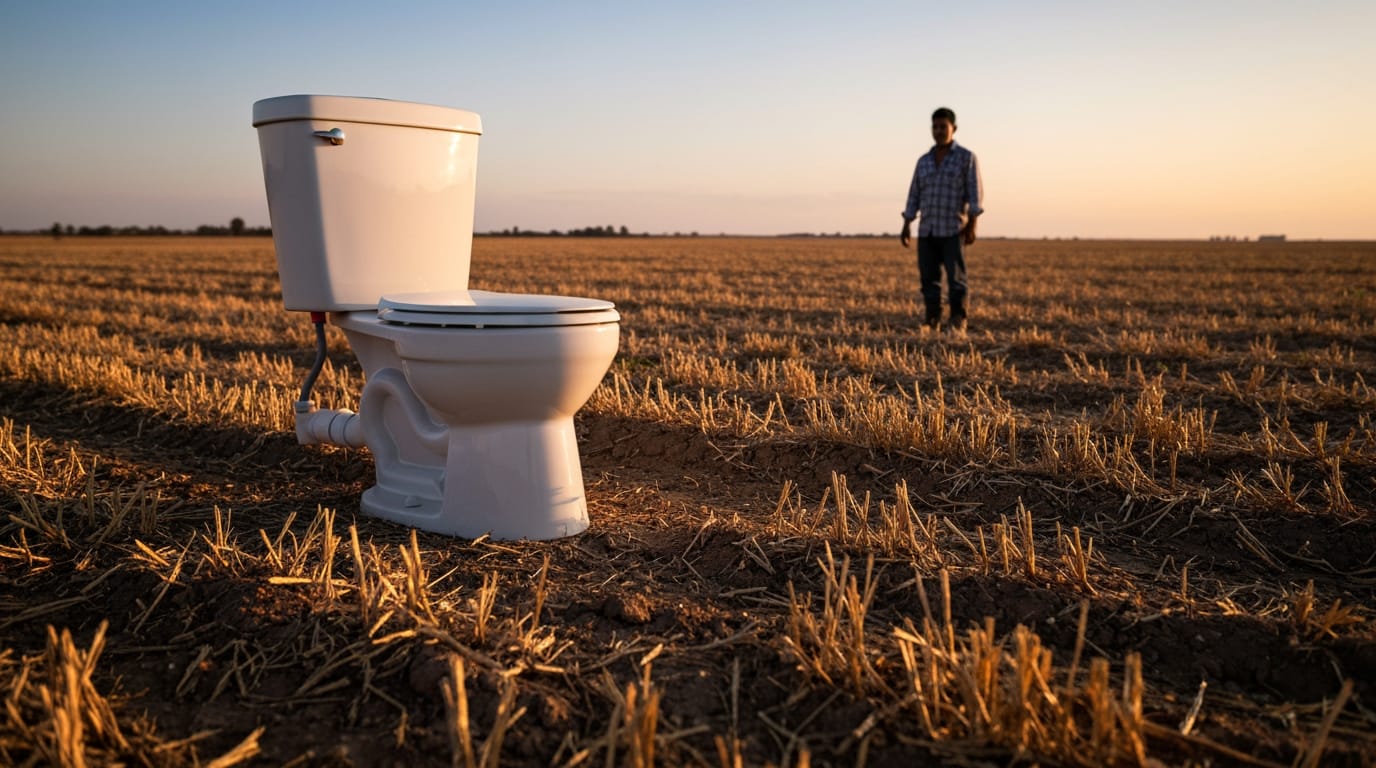
The relentless grip of drought continues to tighten across vast swathes of the United States, placing unprecedented strain on vital water resources and impacting millions of lives. As traditional water supplies dwindle, a once-unthinkable solution is gaining increasing traction and technological sophistication: the transformation of wastewater, sometimes colloquially referred to as "toilet to tap," into a pristine and reliable source of drinking water. This advanced approach to water management is no longer a distant futuristic concept but a present-day reality, offering a potential lifeline for communities confronting severe water scarcity.
The Unrelenting Thirst of a Nation
Currently, a significant portion of the U.S. faces the debilitating effects of drought, with nearly 46% of the country and over 54% of the lower 48 states experiencing conditions ranging from abnormally dry to exceptional drought. This environmental crisis affects approximately 129.6 million people, stretching from the arid landscapes of the West to agricultural regions in the Plains and parts of the Midwest. States like Nevada, Arizona, Colorado, and New Mexico have seen particularly worsening conditions, while concerns persist in the central and southern Rocky Mountains despite some recent improvements in other areas. The consequences extend far beyond dry landscapes, devastating crops, imperiling forests, threatening livestock and wildlife, and inflicting significant damage on local and regional economies. The severity and duration of these droughts underscore an urgent need for innovative and sustainable water management strategies.
Pioneering Potable Reuse: From Indirect to Direct
In response to this escalating crisis, water utilities and policymakers are increasingly turning to potable water reuse, a process that treats municipal wastewater to meet or exceed drinking water standards. This broad category encompasses two primary methodologies: indirect potable reuse (IPR) and direct potable reuse (DPR).
Indirect potable reuse, the more established of the two, involves purified wastewater being introduced into an environmental buffer such as an aquifer, lake, or river. After blending and a period of natural attenuation, this water is later withdrawn and undergoes further treatment at a conventional drinking water plant before being distributed to consumers. This method has been successfully employed for decades, with California's Orange County Water District operating one of the world's largest IPR systems, purifying 130 million gallons daily for groundwater replenishment.
Direct potable reuse, on the other hand, is a more recent and technologically advanced development. It bypasses the environmental buffer, sending highly purified wastewater directly into a municipal drinking water system or immediately upstream of a conventional water treatment plant. While fewer DPR projects are currently operational globally, drought-stricken U.S. states like Texas and California are at the forefront of its implementation. Wichita Falls, Texas, for example, became one of the first in the U.S. to implement DPR in 2013, driven by extreme drought conditions. California recently approved landmark regulations to facilitate DPR projects, signaling a significant shift in water management philosophy.
The Science of Purity: Advanced Treatment Technologies
The transformation of wastewater into potable water relies on a multi-barrier approach utilizing sophisticated treatment technologies designed to remove a wide spectrum of contaminants. The process typically begins with conventional wastewater treatment, followed by a series of advanced purification steps. These often include microfiltration, which removes suspended solids, bacteria, and protozoa; reverse osmosis, a high-pressure membrane process that effectively filters out dissolved salts, viruses, and emerging contaminants like pharmaceuticals; and advanced oxidation processes, frequently involving ultraviolet light in combination with hydrogen peroxide, to neutralize any remaining organic compounds or pathogens.
Experts attest that water produced through these rigorous processes is not merely safe but often surpasses the quality of conventional drinking water sources. Darrin Polhemus, deputy director of the division of drinking water at California's State Water Resources Control Board, noted that recycled water "really will be some of the highest water quality available." Companies like Veolia and H2O Innovation provide comprehensive solutions, integrating these technologies to meet stringent water quality and performance criteria, ensuring public health protection. The ability to treat water to such high standards underscores the proven efficacy of these technologies.
Confronting the "Yuck Factor": Shifting Public Perception
One of the most significant challenges to widespread adoption of potable reuse has been public acceptance, often dubbed the "yuck factor." Historically, the notion of drinking treated wastewater, especially when framed as "toilet-to-tap," has encountered considerable resistance. Instances like San Diego's failed reuse program in the 1990s due to fierce public opposition serve as stark reminders of this hurdle.
However, attitudes are evolving as water scarcity becomes a more pressing and visible concern. Research indicates that the language used to describe the process significantly influences public opinion; terms like "purified water" garner greater support than "recycled" or "reclaimed" water. Furthermore, robust public education campaigns, delivered by trusted entities such as researchers, public health officials, and local water utilities, are proving instrumental in fostering understanding and building trust. A 2016 survey in California, for example, revealed that increased public knowledge correlated with higher acceptance rates for potable reuse. Some communities, particularly those in small towns, have even expressed willingness to pay higher utility bills for wastewater recycling programs if it means avoiding water use restrictions.
A Sustainable Blueprint for Water Security
Beyond merely providing an alternative to dwindling supplies, potable water reuse offers a multitude of environmental and economic benefits, solidifying its role as a cornerstone of sustainable water management. It provides a drought-proof and locally controlled water source, reducing reliance on distant and increasingly unreliable conventional sources like groundwater and surface water. This not only enhances a region's water independence but also alleviates stress on fragile ecosystems.
Furthermore, wastewater recycling minimizes the discharge of treated effluent into oceans and other waterways, thereby reducing pollution. The energy efficiency aspect is also noteworthy; while treatment requires energy, recycling water locally can often be less energy-intensive than pumping water over long distances, potentially leading to overall energy savings. In an agricultural context, reclaimed wastewater can augment irrigation supplies, enhancing food security, and potentially reducing the need for chemical fertilizers if it retains beneficial nutrients.
As the U.S. continues to grapple with the profound impacts of climate change and population growth, the imperative to secure resilient water supplies grows more urgent. The integration of advanced wastewater treatment and potable reuse into mainstream water management strategies represents a fundamental shift. What was once dismissed as the "toilet-to-tap" taboo is now recognized as a highly sophisticated, scientifically sound, and increasingly indispensable component of a sustainable water future. The ongoing drought conditions are accelerating this transformation, pushing communities to embrace innovative solutions that promise a reliable and high-quality water supply for generations to come.


