Fuel Crisis Grounds Flights to Cuba as U.S. Blockade Intensifies
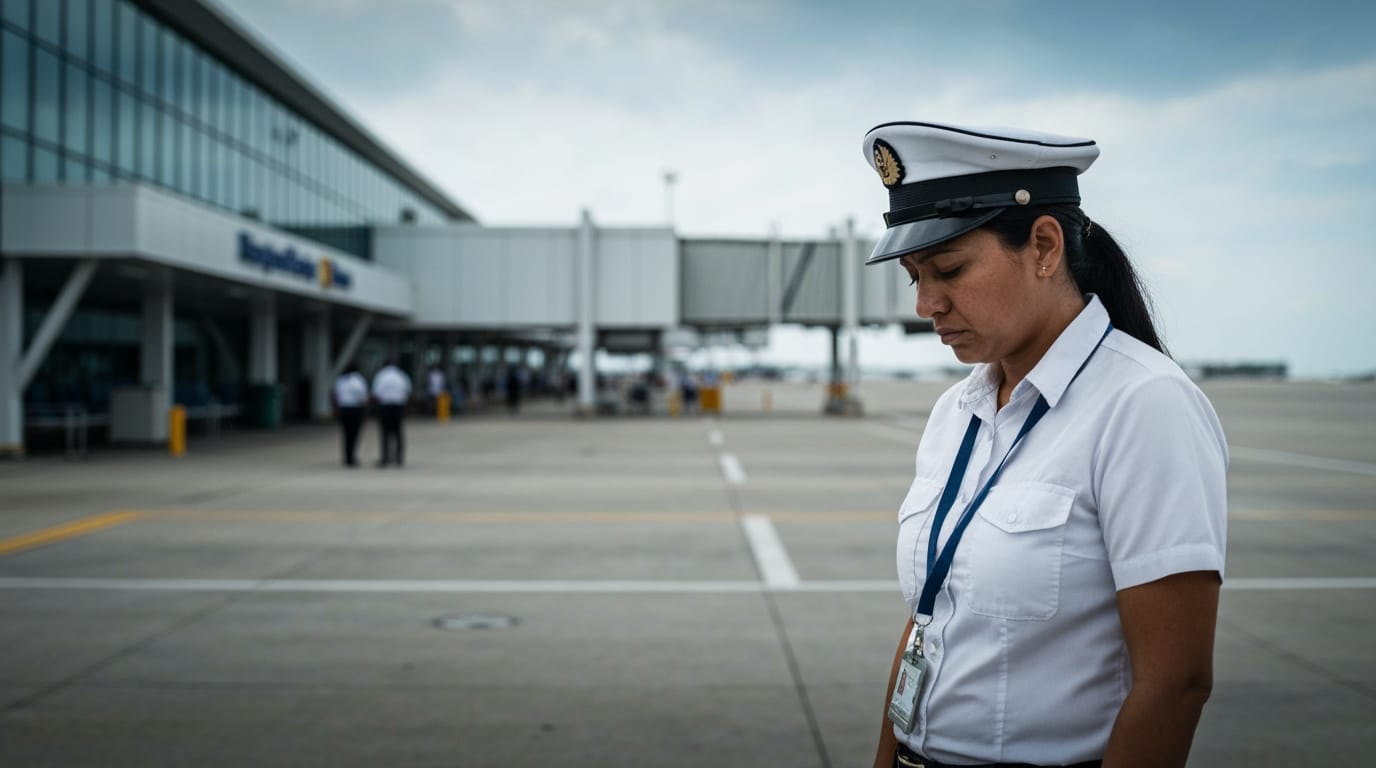
HAVANA, Cuba – International airlines have begun a significant withdrawal of services to Cuba, with major carriers canceling flights and rerouting others, following an urgent notification from Cuban authorities regarding a severe shortage of aviation fuel. The crisis, directly attributed to a recent escalation of the enduring U.S. economic blockade, has left thousands of tourists stranded or facing disrupted travel plans and signals a deepening humanitarian and economic emergency across the island nation.
The immediate impact has reverberated through Cuba's vital tourism sector, a critical source of foreign currency, as the absence of jet fuel cripples air travel access. The Cuban government issued a Notice to Airmen (NOTAM) warning that fuel supplies would remain restricted until at least March 11, prompting swift reactions from carriers worldwide. This development marks a critical juncture in the decades-long standoff between Havana and Washington, with ordinary Cubans and international visitors bearing the brunt of intensified geopolitical pressures.
Airlines Scramble Amid Unprecedented Restrictions
The aviation landscape connecting Cuba to the rest of the world has been dramatically altered by the fuel scarcity. Canadian carriers, historically significant players in Cuban tourism, have been among the first to announce sweeping changes. Air Canada, citing advisories about the unreliability of fuel supply, suspended all flights to the island and initiated efforts to repatriate approximately 3,000 customers currently in Cuba. WestJet quickly followed suit, suspending sales for Cuban destinations and canceling scheduled trips, affecting its own operations alongside Sunwing Vacations. Air Transat, after initial attempts to maintain service, also reversed course, opting to cancel bookings and issue refunds for travel to Cuba through the end of April.
The disruption is not confined to North American airlines. Spanish airlines like Air Europa and Iberia, which operate daily routes to Havana from Madrid, have implemented contingency measures, including mandatory technical stops in the Dominican Republic for refueling. Even long-haul flights from further afield, including Russia and China, have been affected. Russian airline Rossiya, a subsidiary of Aeroflot, has indicated it will continue operating flights but routes may be adjusted to accommodate refueling stops, underscoring the logistical challenges posed by Cuba's empty fuel tanks. U.S. airlines, such as American Airlines and Southwest, which maintain limited service under existing sanctions, are now requiring their aircraft to carry sufficient fuel for both the inbound and outbound journeys, a measure known as "tankering."
The suddenness of the crisis has left many travelers in limbo, highlighting the fragility of international air links to the island. For tourists already in Cuba, the immediate concern is repatriation, while prospective visitors face cancellations and the difficult decision of altering or abandoning their travel plans.
The Anatomy of a Fuel Blockade
The current aviation fuel shortage is a direct consequence of the United States' long-standing economic embargo against Cuba, significantly tightened by recent actions from the Trump administration. The U.S. embargo, first imposed in 1960 and formalized by President John F. Kennedy in 1962, has historically aimed to isolate Cuba economically. While previous administrations saw periods of easing, the Trump administration has intensified pressure on the island, undoing much of the progress made during the Obama era.
A key turning point in the current crisis came with an executive order signed last month by President Donald Trump, which threatened to impose tariffs on any country that sells or provides oil to Cuba. This move effectively severed Cuba's access to its primary petroleum sources. Venezuela, which had been a significant oil supplier, halted shipments after U.S. military operations targeting the Nicolás Maduro regime. Subsequently, Mexico, which had stepped in to partially fill the void, also suspended its crude shipments following explicit U.S. threats of tariffs on Mexican exports.
According to Cuban President Miguel Diaz-Canel, Cuba has not received an oil shipment since December, leading to its reserves dwindling to a mere "15 to 20 days" worth at the current demand level by late January. This deliberate choking off of fuel supplies represents a severe escalation, designed to exert maximum economic pressure on the communist government.
Ripple Effects Across the Island
The aviation fuel crisis is merely one symptom of a much broader and more pervasive energy crisis gripping Cuba. The severe oil shortage has plunged the nation into a state of acute hardship, impacting every facet of daily life for its 11 million inhabitants.
Rolling blackouts have become a daily reality across the island, disrupting homes and businesses alike. Hospitals are facing immense strain, with reports of canceled surgeries and outpatient transfers, exacerbated by a lack of critical medical supplies such as painkillers, gauze, and antibiotics. The scarcity of fuel also affects the transportation sector, with Havana's public bus system reportedly grinding to a halt, leaving residents with severely limited mobility. Basic necessities are increasingly hard to come by; food shortages are worsening, partly due to power outages impacting refrigeration and the difficulty of transport.
The economic toll is particularly devastating for the tourism industry, which Cuba relies on heavily for foreign exchange. At its peak, tourism generated over $3 billion annually, but that figure is now estimated to have crashed below $1 billion. Hotels are consolidating guests into fewer facilities, and some are closing down to conserve resources. This contraction of the tourism sector not only reduces vital revenue but also threatens thousands of jobs. Beyond tourism, the crisis has led to reduced bank hours, suspended cultural events, and even a restructuring of the national baseball season to improve efficiency, underscoring the comprehensive nature of the challenge.
A Nation Under Pressure: Responses and Outlook
In response to the deepening crisis, the Cuban government has implemented a package of emergency measures. These include rationing gasoline, suspending retail sales of diesel, encouraging teleworking, and cutting back public services to essential operations. President Miguel Diaz-Canel has publicly acknowledged the severe impact, calling for creativity and reliance on support from friendly nations.
International reactions have varied. Mexican President Claudia Sheinbaum condemned the U.S. sanctions as "unjust" and confirmed that Mexico has dispatched 800 tons of humanitarian aid, including food and hygiene products, to the beleaguered island. The United Nations has also expressed alarm, warning that the humanitarian situation could "worsen, and if not collapse, if its oil needs go unmet." Despite the heightened sanctions, the U.S. State Department announced $6 million in humanitarian aid for Cuba, consisting of food and solar lamps, to be delivered via the Catholic Church and Caritas.
The immediate future for Cuba remains uncertain. The FAA's projection that jet fuel availability will be restricted until at least March 11 offers a short-term timeline for aviation disruptions, but the underlying geopolitical tensions and comprehensive economic sanctions show no signs of abating. The crisis highlights the profound vulnerability of Cuba to external pressures and the far-reaching consequences of political actions on the daily lives of its citizens.
Conclusion
The current halting of international flights to Cuba due to a critical aviation fuel shortage represents a severe escalation of the U.S. economic blockade, pushing the island nation further into an already profound energy and humanitarian crisis. With major airlines suspending services and essential sectors of the Cuban economy, particularly tourism, facing unprecedented challenges, the ripple effects are being felt by both international travelers and Cuban citizens alike. The intertwined impacts of geopolitical strategy, economic sanctions, and the struggle for basic resources underscore the complex and often dire reality confronting Cuba. As the island grapples with rolling blackouts, strained healthcare, and food scarcity, the coming weeks will be crucial in determining the extent of the crisis and the capacity of Cuba, with or without international assistance, to navigate its most challenging period in recent memory.


