Fujimori Secures Landslide Re-election in Pivotal 1995 Peruvian Presidential Vote
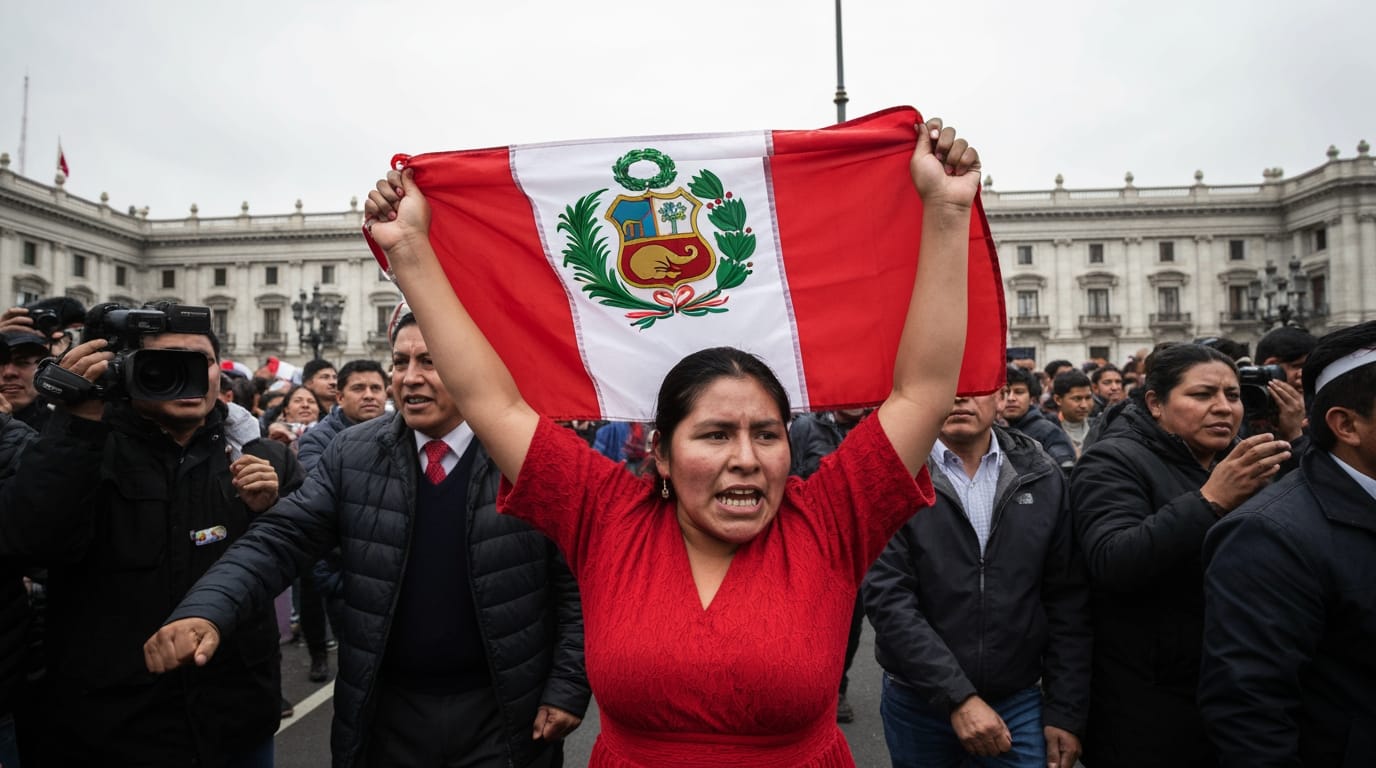
Lima, Peru – In a decisive electoral contest that reshaped Peru's political landscape, President Alberto Fujimori was declared the overwhelming winner of the April 9, 1995, presidential election, securing a second term with a commanding majority. The victory, achieved in the first round of voting, underscored widespread public approval for his administration's successes in stabilizing the nation's economy and curbing a brutal insurgency, despite underlying concerns about the erosion of democratic institutions. Fujimori's triumph, which granted him a significant mandate, solidified his personalist grip on power and signaled a profound shift away from traditional political party dominance.
The Resounding Mandate: A Clear Victory Amidst Controversy
On April 9, 1995, Peruvians headed to the polls, resulting in an unambiguous re-election for incumbent President Alberto Fujimori. With approximately 64.4% to 65% of the votes, Fujimori bypassed the need for a second-round runoff, achieving a landslide victory over his closest rival, former United Nations Secretary-General Javier Pérez de Cuéllar. Pérez de Cuéllar garnered around 21% to 22% of the ballots, with the remaining 12 candidates failing to secure more than 5% each. This commanding win also translated into an absolute majority for Fujimori's Cambio 90-Nueva Mayoria alliance in the newly established unicameral Congress, securing 66 of the 120 seats. International observers, including the Organization of American States (OAS) and the Peruvian non-governmental organization Transparencia, acknowledged some irregularities but largely affirmed the validity of the outcome, attributing the clear mandate to the immense margin of victory. However, the opposition, including Pérez de Cuéllar, raised allegations of irregularities and expressed concerns that the focus on defeating hyperinflation and terrorism came at the expense of a democratic future.
A Nation Transformed: Economic Revival and Security Gains
Fujimori's sweeping popularity was deeply rooted in his administration's perceived effectiveness in addressing Peru's most pressing crises. Upon taking office in 1990, the country was grappling with rampant hyperinflation, which had reached a staggering 7,650% in 1990, and a devastating insurgency led by the Maoist Shining Path (Sendero Luminoso) guerrilla group. His "Fujishock" economic program, implemented shortly after his 1990 election, introduced harsh fiscal adjustments and neoliberal reforms that dramatically stabilized the economy. By 1994, inflation had plummeted to 13%, accompanied by substantial economic growth, with the gross domestic product rising by over 7% in 1993 and approximately 11% in 1994.
Concurrently, Fujimori pursued a hard-line approach against terrorism. The capture of Shining Path leader Abimael Guzmán in September 1992 marked a pivotal moment, significantly weakening the insurgency and ushering in a period of reduced political violence that had plagued Peru for years. These twin achievements—economic stability and improved security—formed the cornerstone of Fujimori's re-election campaign, resonating strongly with a populace weary of chaos and economic hardship. His public image as a pragmatic leader who brought order from turmoil was a powerful force that overshadowed concerns about his methods.
The Shadow of Authoritarianism: Constitutional Changes and Electoral Concerns
While celebrated for his achievements, Fujimori's path to re-election was marked by actions that drew significant criticism regarding democratic norms. In April 1992, he orchestrated a "self-coup" (autogolpe), dissolving Congress and suspending the constitution, asserting these drastic measures were necessary to combat insurgency and push through reforms. This move, initially popular due to public disdain for Peru's traditional, often corrupt, political establishment, led to the drafting of a new constitution in 1993. Crucially, the 1993 constitution included a provision allowing for immediate presidential re-election, paving the way for Fujimori's 1995 bid.
Despite the international observers' assessment that the 1995 elections were largely fair, concerns persisted about the integrity of the process and the leveling of the playing field. Critics pointed to the massive use of state resources and a propaganda campaign that favored the incumbent, while the National Intelligence Service (SIN), under Vladimiro Montesinos, was reportedly used to spy on and discredit opposition candidates. The context of retained emergency zone status in parts of the country, subordinating civilian authority to the military, also raised eyebrows among those monitoring the democratic health of the nation. These developments highlighted a growing trend of centralizing power and weakening independent institutions under Fujimori's rule.
Reshaping Peru's Political Landscape
The 1995 election results had a profound impact on Peru's political structure. Fujimori's landslide victory further marginalized the traditional political parties that had dominated Peruvian politics for decades. Parties like Acción Popular, APRA, and Partido Popular Cristiano, which once collectively commanded the vast majority of votes, struggled to meet the 5% threshold required to maintain legal status in subsequent elections. This decline created a political vacuum that Fujimori's personalist movement readily filled, allowing his Cambio 90-Nueva Mayoria alliance to establish a strong, compliant majority in Congress. This consolidation of power reinforced Fujimori's autocratic style of governance, where decision-making was highly centralized within the executive branch.
Furthermore, the re-election marked the beginning of concerted efforts to secure an unconstitutional third term for Fujimori. Just one year into his second term, Congress passed a controversial law providing an "authentic interpretation" of the constitution, effectively reclassifying his 1990 election as pre-constitutional and thus allowing him to run again in 2000. This move, widely criticized by jurists and civil society organizations, demonstrated the administration's willingness to manipulate legal frameworks to extend its rule.
A Complex Legacy Unfolds
Alberto Fujimori's decisive re-election in 1995 represented a critical juncture for Peru, signaling both a period of stability and economic recovery and a deepening concern for democratic institutions. His victory was a clear reflection of public gratitude for tangible improvements in daily life—from taming hyperinflation to defeating a brutal insurgency. However, this success came with significant costs to the country's democratic framework, paving the way for a more authoritarian style of governance. The election solidified Fujimori's grip on power and set the stage for further constitutional maneuvering and challenges to democratic norms that would ultimately define his tumultuous second term and subsequent downfall. The complex legacy of this period continues to be a subject of intense debate and remains deeply etched in Peru's modern history.


