Game of Nerves: Serbia's Political Crisis Shows No Sign of Abating
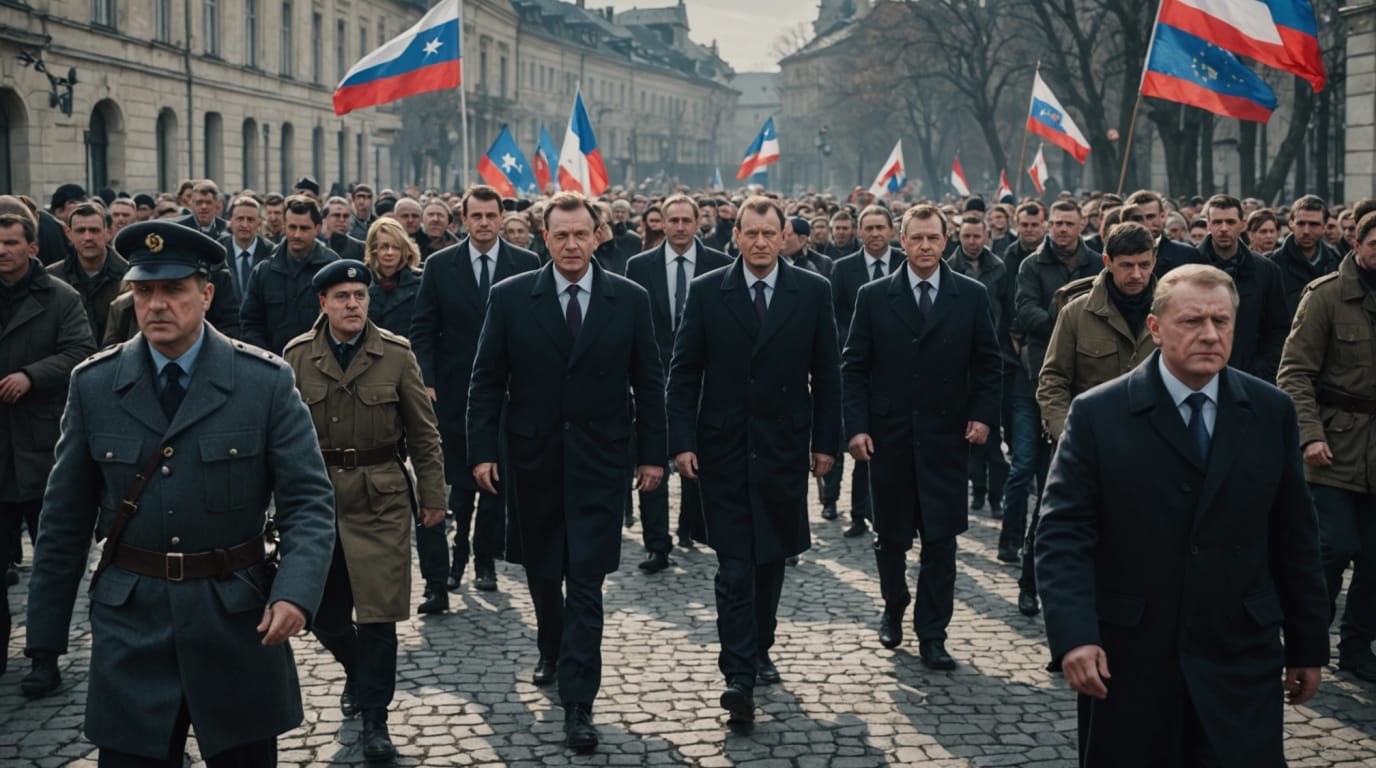
Serbia is currently embroiled in a deep political crisis that has gripped the nation for months, with no clear resolution in sight. Triggered by a deadly incident of corruption and fueled by widespread discontent, the crisis has manifested in mass protests, parliamentary turmoil, and a tangible slowdown in economic growth, presenting the most serious challenge to President Aleksandar Vučić's leadership in years.
The Spark: A Tragedy Ignites Fury
The current wave of unrest was ignited by the collapse of a railway station canopy in Novi Sad on November 1, 2024, which resulted in the deaths of 15 people. The tragedy, widely attributed to corruption and negligence in the reconstruction project, became a symbol of the deep-seated issues plaguing Serbian society. Public outrage quickly escalated into widespread protests, with tens of thousands taking to the streets to demand accountability and an end to corruption. The protests, initially led by students, have since grown into a broad-based movement encompassing various segments of society. Citizens are demanding institutional reforms, equal application of laws, and objective media reporting on social problems.
A Nation Mobilized: Protests and Demands
The protests have evolved into the largest nationwide movement since the fall of Slobodan Milošević in 2000, and one of the largest student movements in Europe since 1968. Demonstrations have taken place in nearly every municipality and in over 300 populated places across Serbia. Students have emerged as a driving force, articulating clear demands, including the release of documentation related to the Novi Sad railway station reconstruction. Universities across Serbia have been blockaded as students stand firm on their demands.
Beyond the immediate outrage over the Novi Sad tragedy, the protests reflect a broader dissatisfaction with the state of democracy and rule of law in Serbia. Concerns over corruption, media bias, and undue influence of the ruling party have fueled the movement. The protesters seek to address systemic issues and create a more just and equitable society.
Parliamentary Chaos: Tensions Spill Over
The heightened political tensions have spilled over into the National Assembly, disrupting normal parliamentary proceedings. On March 4, 2025, opposition members resorted to disruptive tactics, including throwing smoke bombs and using pepper spray in the plenary hall. The incident resulted in injuries to several members of the ruling Serbian Progressive Party (SNS) and drew widespread condemnation. The SNS has accused the opposition of "terrorism," while the European Union has condemned the violence in parliament.
The parliamentary turmoil reflects the deep divisions and lack of consensus between the ruling coalition and the opposition. The opposition argues that its actions are justified by the government's refusal to address their concerns and the need to highlight the "abnormal" situation in the country. The events in parliament underscore the challenges in finding a peaceful and constructive path forward.
Economic Fallout: Growth Slowed by Unrest
The ongoing political crisis has begun to take a toll on Serbia's economy. Economic growth is projected to slow to around 3% in the first quarter of 2025, a deceleration compared to the 3.3% GDP increase in the final quarter of 2024. President Vučić has attributed the slowdown to the blockades and political turmoil caused by the protests, strikes, and rallies. He stated that growth could have been as high as 3.8% without the disruptions.
The protests have impacted various sectors of the economy, including tourism, VAT collection, sales, and trade. Analysts have expressed concerns that the unrest is damaging Serbia's international image and potentially deterring investment. The economic consequences of the political crisis add another layer of complexity to the challenges facing the country.
Uncertain Future: No Easy Way Out
The political crisis in Serbia remains unresolved, with no clear path towards de-escalation or resolution. Prime Minister Miloš Vučević's resignation in January 2025 has further complicated the situation. While snap elections are a possibility, most commentators believe they are unlikely to resolve the crisis, given the opposition's concerns about unfair election conditions and the volatility of the situation. The ruling party has hinted at electing a new government with its existing majority in parliament, but this scenario may not satisfy the demands of the protesters or address the underlying issues.
The international community is closely watching the developments in Serbia. Commissioner for Enlargement Marta Kos has called for a full and impartial investigation into incidents targeting demonstrators. The European Parliament has debated the political crisis, assessing the developments and their implications for Serbia's European integration path.
The resolution of the political crisis in Serbia will require a commitment to dialogue, compromise, and reform. Addressing the underlying issues of corruption, media freedom, and rule of law is essential for restoring public trust and ensuring a stable and prosperous future for the country. The path forward remains uncertain, but the need for a peaceful and democratic resolution is clear.


