Gaza Navigates Dual Reality: Famine Officially Over, Yet Humanitarian Crisis Persists
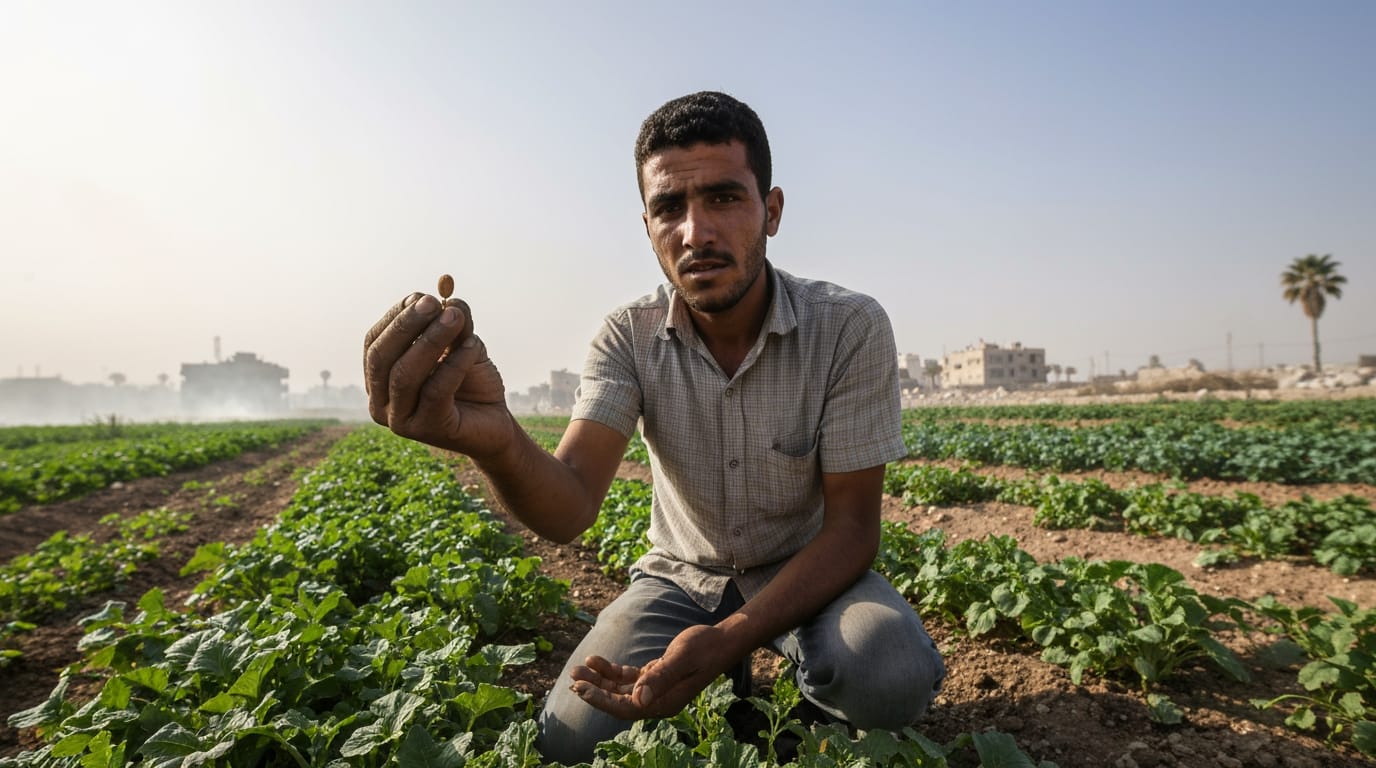
Gaza, December 19, 2025 – The Integrated Food Security Phase Classification (IPC), a global authority on hunger monitoring, announced today that famine conditions in the Gaza Strip have been formally lifted. This development follows improved access for humanitarian and commercial food deliveries in the wake of a fragile ceasefire established in October. However, the declaration comes with a stark warning: the humanitarian situation across the enclave remains "critical," with United Nations Secretary-General Antonio Guterres cautioning that the gains are "perilously fragile."
Despite the technical reclassification, millions of Palestinians continue to grapple with severe food insecurity, widespread malnutrition, and the profound aftermath of extensive destruction. The pronouncement signals a change in a specific technical categorization rather than a return to normalcy, underscoring the deep and multifaceted crisis that continues to engulf the besieged territory.
The Technical Shift: Understanding "Famine Over"
The IPC's recent assessment indicates that the severe thresholds defining famine—where at least 20 percent of the population faces extreme food shortages, one in three children is acutely malnourished, and two people out of every 10,000 die daily from starvation or related diseases—are no longer being met across Gaza. This marks a notable shift from August, when the IPC initially declared a famine in parts of Gaza, citing Israeli restrictions on food aid that led to mass starvation.
The improvement is primarily attributed to increased humanitarian and commercial access following the October 10 ceasefire between Israel and Hamas. United Nations officials and aid organizations acknowledge that this ceasefire partially eased restrictions on the entry of goods and aid, allowing for greater food deliveries. However, Israeli authorities, including COGAT (the Israeli military agency coordinating aid), have disputed some reports on aid figures, claiming that 600 to 800 trucks have entered Gaza daily since the truce, with food comprising 70 percent of those supplies. Despite these claims, aid organizations often highlight inconsistencies in delivery and ongoing impediments.
The Persistent Shadow of Hunger and Malnutrition
While the famine classification has been withdrawn, the broader picture of food security in Gaza remains dire. The entire Gaza Strip is currently classified in an "Emergency" phase (IPC Phase 4), which is just one step below the "Catastrophe" level (IPC Phase 5) that signifies famine. This means that households still face very high rates of acute malnutrition and excess mortality due to severe food deficits.
Recent analyses reveal that between mid-October and the end of November 2025, approximately 1.6 million people—roughly 77 percent of the population analyzed—experienced crisis-level hunger (IPC Phase 3) or worse. Projections indicate that this staggering number is expected to persist, with about 1.6 million people facing "Crisis or worse" levels of food insecurity through mid-April 2026. A significant portion of this population, approximately 571,000 people, is anticipated to remain in Emergency conditions, with about 1,900 still facing catastrophe-level hunger.
The nutritional status of the most vulnerable populations is particularly alarming. Nearly 101,000 children aged six to 59 months are expected to suffer from acute malnutrition, including more than 31,000 severe cases, through mid-October 2026. Additionally, an estimated 37,000 pregnant and breastfeeding women are projected to experience acute malnutrition and require treatment during the same period. UNICEF reported that 9,300 children were treated for severe acute malnutrition in October, a "shockingly high number" that underscores the inadequacy of current aid flows.
Catastrophic Infrastructure Damage and a Collapsed Health System
Beyond food scarcity, the physical landscape and essential services in Gaza have been devastated, creating a compounding crisis. A joint World Bank and United Nations report in April 2024 estimated the cost of damage to critical infrastructure at approximately $18.5 billion, equivalent to a staggering 97 percent of the combined GDP of the West Bank and Gaza in 2022. Housing alone accounts for 72-73 percent of these costs, reflecting the widespread destruction of residential areas.
The healthcare system has largely collapsed, with 84 percent of health facilities damaged or destroyed. The remaining facilities struggle with a severe lack of electricity, water, and essential medical supplies. This has resulted in minimal access to healthcare, with a dire impact on patient outcomes. Between July 2024 and November 2025, at least 1,092 patients died while awaiting medical evacuation, a figure likely underreported according to the World Health Organization (WHO). The lack of clean water and sanitation infrastructure has also led to a resurgence of diseases like polio, which had been absent from Gaza for 25 years. Water production is at only 25 percent of pre-October 2023 levels, and the water and sanitation system delivers less than 5 percent of its previous output.
The conflict has caused massive displacement, with approximately 1.9 million Palestinians—90 percent of Gaza's population—displaced at least once since October 2023. These individuals often live in overcrowded and unsanitary makeshift shelters, including tents, which offer little protection from the elements. Recent heavy rains and Storm Byron exacerbated these harsh conditions, leading to flooding in multiple displacement sites and placing nearly 795,000 displaced Palestinians at heightened risk of disease and hypothermia.
Precarious Gains and Obstacles to Aid Delivery
The IPC and UN officials have repeatedly emphasized that the current improved food security is "perilously fragile." The entire Gaza Strip remains at risk of famine through mid-April 2026 under a "worst-case scenario," which includes renewed hostilities or a halt in humanitarian and commercial inflows.
Despite efforts by humanitarian agencies, significant obstacles continue to impede the effective delivery of aid. Access restrictions, inconsistent entry points, and challenges in coordination mean that aid often struggles to reach those most in need. The UN reported that in early December 2024, Israeli authorities facilitated less than one-third of the planned humanitarian movements in Gaza. Furthermore, humanitarian cargo is routinely deprioritized in favor of commercial goods, causing delays. Aid workers also face security concerns, with attacks on humanitarian personnel and convoys reported, further complicating operations in a territory described as one of the most dangerous places for aid workers in 2025.
The Long Road Ahead
The declaration that famine is technically over in Gaza, while a welcome shift in classification, masks a reality of profound and ongoing human suffering. The vast majority of the population continues to face acute hunger and malnutrition, living amidst widespread destruction, collapsed infrastructure, and a decimated healthcare system. The gains made are fragile, contingent on sustained, expanded, and consistent humanitarian and commercial access, which remains a constant struggle.
The immediate priority remains ensuring unimpeded humanitarian aid flow and creating a safe environment for its distribution. Beyond that, the immense task of rebuilding homes, restoring essential services, and addressing the long-term health and psychological impacts on the population represents a monumental challenge. The international community faces a critical imperative to support durable solutions that transition Gaza from emergency aid to sustainable recovery, preventing a return to the catastrophic conditions that gripped the enclave for so long.


