Gaza's Civilians Face Mounting Hardship Amidst Escalating Israeli Clampdown
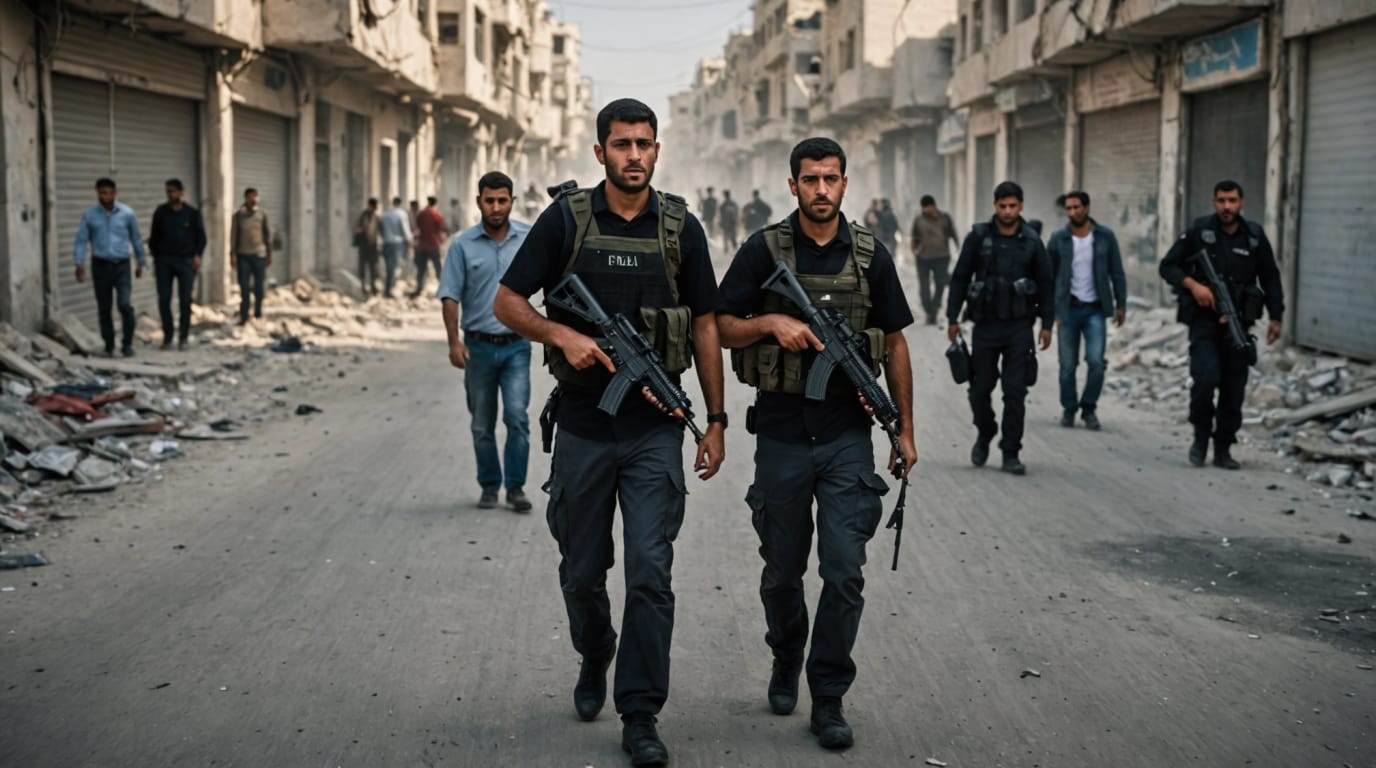
Gaza City – The already dire humanitarian situation in the Gaza Strip is rapidly deteriorating as Israeli military operations intensify and restrictions tighten, leaving Palestinian civilians, particularly women and children, to bear the brunt of the escalating conflict. A new offensive, coupled with a prolonged blockade, has pushed the coastal enclave further into crisis, sparking international concern and condemnation.
Intensified Military Operations and Displacement
On Wednesday, Israel's defense minister announced a major expansion of the ground assault on Gaza, vowing to seize "extensive territory" to create so-called "security" zones. This announcement followed days of intensified attacks across Gaza, resulting in the deaths of dozens of Palestinians, including civilians. The Israeli military has ordered residents in several areas, including Rafah in the south and Beit Hanoon and Beit Lahiya in the north, to evacuate, leading to further displacement of an already vulnerable population. Dozens of families in Rafah have reported being trapped by the Israeli offensive, desperately appealing for international assistance to evacuate to safety. According to The Times of Israel, the military has deployed its 36th Division to Gaza for the expanded offensive.
Humanitarian Crisis Deepens
The ongoing Israeli blockade, now in its 31st day, has brought Gaza to the brink of collapse. All bakeries in the Strip have been forced to shut down due to lack of supplies, leaving residents with limited access to food. Humanitarian organizations have warned of severe shortages of essential goods, including medicine, fuel, and clean water. The healthcare system, already crippled by years of conflict and neglect, is struggling to cope with the increasing number of casualties. Hospitals are overwhelmed, and medical supplies are running dangerously low.
Disproportionate Impact on Women and Children
A recent report by UN Women Special Representative in Palestine Maryse Guimond highlighted the devastating impact of the conflict on women and girls in Gaza. Guimond stated that women and children have "borne the brunt" of the ongoing war, with nearly 60 percent of recent casualties being women and children. She described the humanitarian crisis in Gaza as an "unfolding nightmare," condemning the international community for its failure to stop the carnage. Guimond relayed firsthand testimonies from women in Gaza, many of whom expressed despair, fear, and exhaustion from continuous displacement. One woman from Deir al-Balah told UN Women: "My mother says, 'Death is the same, whether in Gaza City or Deir al-Balah...We just want to return to Gaza.'" Another woman shared, "We're glued to the news. Life has stopped. I'm terrified of being hit – every possible nightmare races through my mind." UNICEF has also reported that women and children are suffering disproportionately and account for most of the casualties in the crossfire and bombing. With maternity units closed, women must travel, risking their safety, to find care. Of the estimated 5,500 women who are expected to give birth in Gaza in the next month, 840 are likely to experience pregnancy- or birth-related complications.
International Condemnation and Calls for Ceasefire
The escalating violence and deteriorating humanitarian situation in Gaza have drawn widespread international condemnation. Human rights organizations and humanitarian agencies have increasingly labeled Israel's military campaign as a disproportionate and indiscriminate assault on civilians. There have been growing calls for an immediate ceasefire and for Israel to lift the blockade and allow humanitarian aid to reach those in need. Negotiations between Israel and Hamas, mediated by Egypt and other countries, have so far failed to produce a lasting truce. Israel is demanding the release of Israeli captives remaining in Gaza in exchange for Palestinians held in Israeli jails and humanitarian aid, but without committing to ending the war and withdrawing troops. Hamas, however, insists on a permanent ceasefire.
Concerns for the Future
As the conflict continues, the future for Palestinians in Gaza remains bleak. The ongoing violence, displacement, and blockade are having a devastating impact on the physical and mental health of the population, particularly children. The destruction of infrastructure and the collapse of the economy are further undermining the prospects for recovery and development. The international community faces the challenge of finding a way to end the cycle of violence and address the underlying causes of the conflict, in order to create a more just and sustainable future for all those living in the region. The UN Human Rights Council’s Independent International Commission of Inquiry is investigating possible international crimes and violations of international human rights law committed in Israel, Gaza, and the West Bank since October 7, including credible allegations of gender-based crimes.
The situation in Gaza remains critical, with civilians trapped in a cycle of violence and deprivation. The need for a peaceful resolution and a commitment to addressing the humanitarian crisis is more urgent than ever.


