Gaza's Plight: A Population Caught Between War, Blockade, and Political Strife
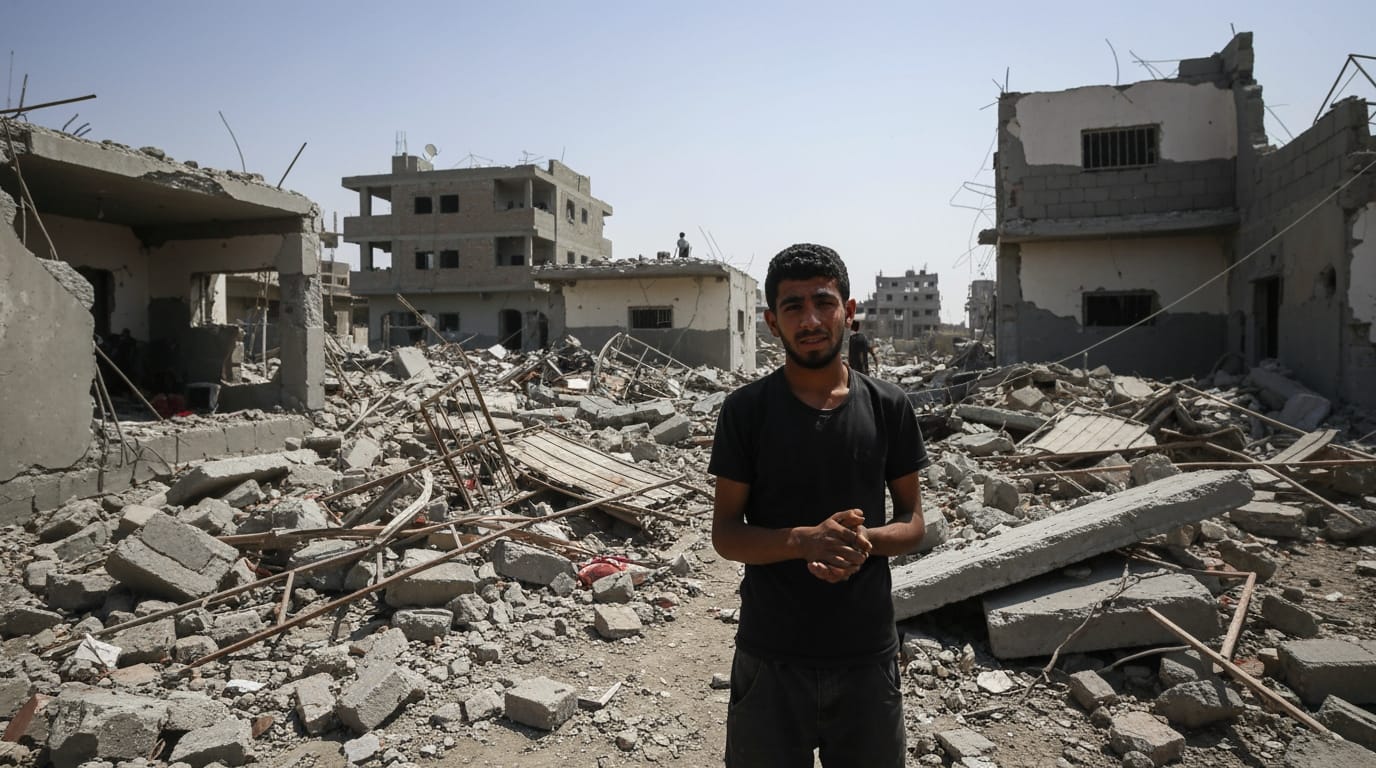
Gaza City, July 15, 2026 – For the Palestinian population of the Gaza Strip, daily life is an unending struggle, marked by a pervasive humanitarian crisis and a sense of being trapped between the governance of Hamas and the policies of Israel. Years of conflict and a stringent blockade have systematically eroded the foundations of society, leaving millions dependent on external aid and facing widespread destruction of critical infrastructure. The recent overtures by Hamas to relinquish administrative control signal a potential, albeit uncertain, shift in the political landscape, yet the immediate reality for Gaza’s 2.3 million residents remains one of immense suffering and profound uncertainty.
The Gaza Strip, a densely populated enclave, has been under an Israeli blockade since 2007, following Hamas's takeover of the territory from the Fatah-controlled Palestinian Authority. This blockade, intensified since October 2023, along with recurrent military operations, has created what many international organizations describe as a man-made humanitarian catastrophe. Palestinians find themselves in an untenable position, navigating the constraints imposed by Israeli security concerns and the realities of governance under a militant group. The ongoing conflict, sparked by the October 7, 2023, Hamas-led attacks on Israel, has resulted in catastrophic loss of life and rendered much of the territory uninhabitable. Overall, more than 73,000 Palestinians in Gaza have been killed since October 7, 2023, with studies suggesting this figure may be an undercount.
Humanitarian Catastrophe Deepens Amidst Economic Collapse
The economic foundations of Gaza have been decimated by years of blockade and successive conflicts. The economy experienced an 83% collapse in 2024, with GDP plummeting to $362 million, and cumulative losses over 2023–2024 reaching 87%. This downturn has pushed all 2.3 million people in the enclave below the poverty line, with an unemployment rate soaring to 80%. Prior to October 2023, 81% of Gaza's population lived in poverty, and 63% were food insecure, relying on international assistance. Today, 90% of the population is displaced, and every person is experiencing hunger.
The tightening of the blockade since October 2023 has severely restricted the entry of essential supplies, including food, fuel, medication, and water, deepening the humanitarian crisis. Reports from the United Nations and other aid organizations highlight a severe famine in the Gaza Governorate area since August 2025. This man-made catastrophe is exacerbated by destruction of food infrastructure, such as bakeries and mills, and the critical shortage of clean water, which has left 82% of households water insecure, and up to 70% of the population unable to collect the recommended minimum of six liters per person per day for drinking and cooking. Only 16% of the items needed for vital water infrastructure are reaching Gaza, contributing to widespread water contamination.
The physical landscape of Gaza bears the scars of relentless bombardment. Over 174,500 structures have been damaged, accounting for 70% of the total, with 98,000 homes destroyed by Israeli bombardments by October 2023. Hospitals, schools, and other vital civilian infrastructure have also been extensively damaged or destroyed.
Healthcare and Education Systems on the Brink
Gaza's healthcare system is in a catastrophic state. Fewer than half of the Strip's hospitals and less than 38% of primary healthcare centers are even partially functioning. Many medical facilities have been damaged or destroyed, with only 19 of 36 hospitals still operational to some degree by May 2026. The operational hospitals are struggling under severe shortages of medical supplies, fuel, and healthcare workers, with bed occupancy rates exceeding limits by large margins. Critical items like ICU equipment, anesthesia machines, and cold chain supplies are frequently held back at borders. The destruction of Kamal Adwan Hospital, which housed the only center for treating severe acute malnutrition in North Gaza, further exemplifies the systemic collapse. This dire situation contributes to an alarming increase in communicable diseases, malnutrition, and mental health challenges.
The education system has similarly been devastated. More than 97% of schools have been damaged or destroyed, and 91.8% of all educational facilities require reconstruction or major rehabilitation. Over 658,000 school-aged children have had limited access to face-to-face learning for over two academic years. Teachers are reportedly writing on tent walls due to the lack of proper classrooms and supplies. The conflict has deprived children of their right to education, raising fears of a "lost generation" and compounding the psychological distress of children who have lost family members and experienced repeated displacement.
Daily Life Under Siege and Persistent Uncertainty
For Palestinians in Gaza, daily life is a continuous exercise in survival. Repeated displacement has become a common experience, with many families forced to move multiple times. Civilians are being concentrated into increasingly smaller areas due to ongoing military operations and evacuation orders. Movement restrictions within the Strip are expanding, with reports of a "Yellow Line" buffer zone created by the Israeli military, dividing Gaza in two and making access to humanitarian aid in certain areas challenging and dangerous.
Makeshift camps have become a pervasive feature of the urban landscape, with residents walking long distances for basic necessities like water and cooking with primitive methods. Children find spaces to play among tents and the rubble of destroyed buildings, a stark illustration of a childhood defined by conflict and displacement. The psychological toll on the population is immense, with a declining mental health rate, particularly among children and youth.
Recent political developments have seen Hamas announce its intention to step aside from governing Gaza, dissolving its administrative body as of July 6, 2026. This move is presented as an effort to pave the way for a technocratic administration and to facilitate reconstruction, though analysts question whether real authority will change hands, particularly as Hamas states it will not disarm unilaterally. The proposed National Committee for the Administration of Gaza (NCAG), a U.S.-backed interim administration, has been blocked from entering Gaza by the Israeli government since its creation in January, further complicating the prospect of a smooth transition. The current ceasefire, agreed upon in October 2025, has been only partially observed, with continued military activity and an unverified casualty toll of at least 1,100 Palestinians since its implementation.
In this environment of relentless pressure, the people of Gaza remain caught in a desperate predicament. Their future hinges on a sustainable political solution that addresses both security concerns and fundamental human rights, allowing for comprehensive humanitarian relief and the rebuilding of a society devastated by years of conflict and isolation. Without a concerted international effort to end the blockade and foster genuine stability, the cycle of suffering is set to continue.


