Geopolitical Undercurrents as India Detains Ukrainian Nationals: Allegations of Russian Intelligence Involvement Surface
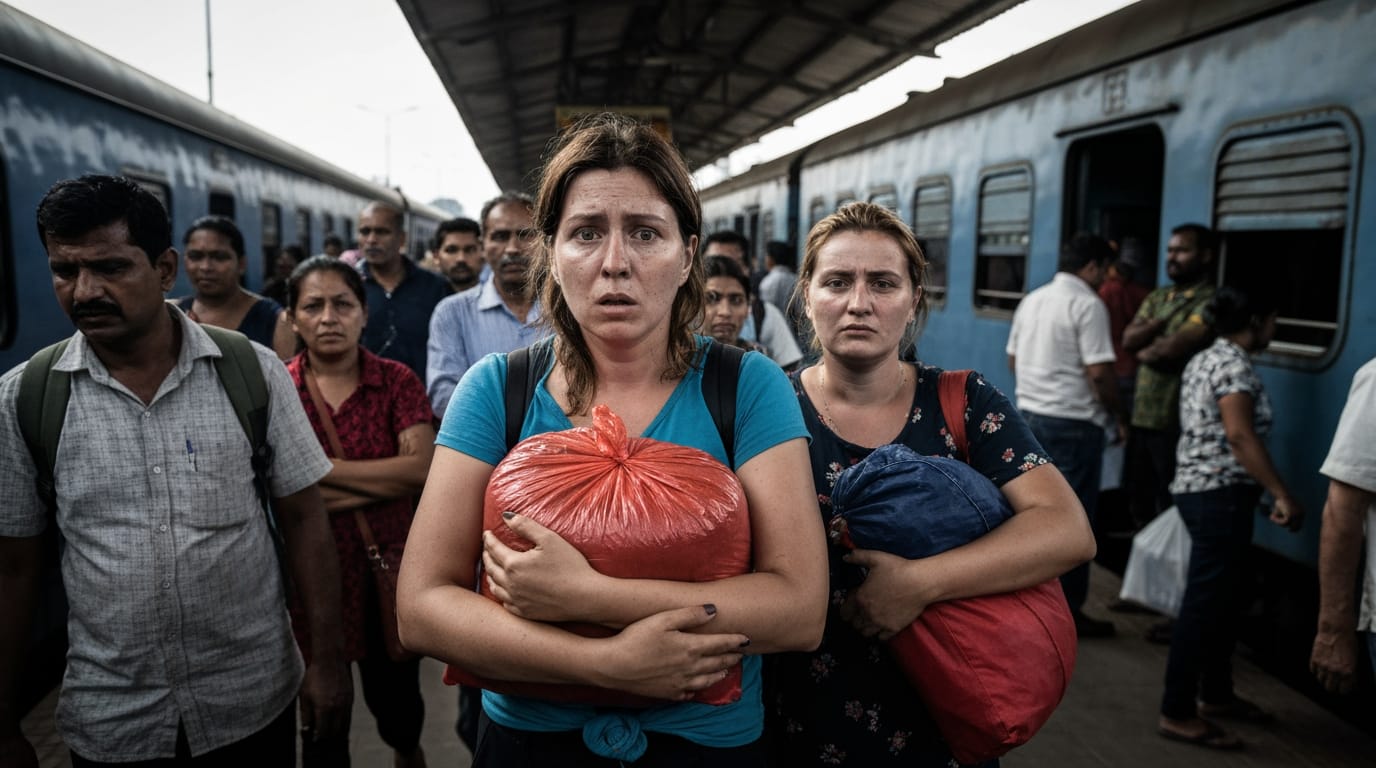
NEW DELHI – A recent high-stakes detention of six Ukrainian nationals and one U.S. citizen by Indian authorities has ignited a diplomatic firestorm, casting a spotlight on India's complex international relations and raising questions about alleged Russian intelligence involvement. The arrests, made across various Indian airports on March 13, have been met with strong denials from Kyiv, which claims the case may be "orchestrated and politically motivated" and fueled by Russian information operations. Indian authorities, through the National Investigation Agency (NIA), allege the group entered a restricted border area, crossed into Myanmar, and trained anti-junta armed groups in drone warfare, an accusation Ukraine vehemently refutes. This unfolding narrative weaves together accusations of illegal activity, geopolitical maneuvering, and heightened diplomatic tensions, challenging the delicate balance of India's ties with both Ukraine and Russia.
The Arrests and Initial Accusations
On March 13, India's National Investigation Agency (NIA) detained six Ukrainian citizens and one American national at airports in Delhi, Lucknow, and Kolkata. The NIA's investigation centers on allegations that the individuals entered the northeastern state of Mizoram without the required permits, subsequently crossed into neighboring Myanmar, and engaged in training anti-junta ethnic armed groups in drone warfare. Furthermore, investigators suspect the group was involved in the illegal transfer of significant shipments of drones from Europe to Myanmar via India. These serious allegations have led to charges under Section 18 of the Unlawful Activities (Prevention) Act (UAPA), along with other relevant sections, suggesting a conspiracy to carry out terrorist activities against India. Reports indicate that Indian law enforcement had been tracking the suspects for nearly three months prior to their arrests. As of March 16, a court hearing extended their detention until at least March 27, though Ukrainian diplomatic staff present were not permitted direct communication with the detainees.
Whispers of Foreign Influence: The Russian Connection
The most contentious aspect of the detentions has been the emergence of claims regarding Russian intelligence involvement. Sources within India's National Investigation Agency reportedly informed German public broadcaster DW that Russian intelligence services provided information about the suspects' movements, which led to their tracking and eventual arrest. This alleged intelligence sharing has led Ukrainian officials to believe that the case could be part of a broader Russian strategy to sow distrust and strain relations between Ukraine and countries, like India, that maintain diplomatic contact with both Kyiv and Moscow. Ukraine's Embassy in India explicitly stated its "serious concern" that the case might be "orchestrated and politically motivated," suggesting it may have been initiated based on information provided by Russia. Such an incident, if proven, would highlight an expanding role for Moscow's intelligence activities beyond its immediate conflict zones, aiming to influence regional security dynamics.
Diplomatic Fallout and Official Responses
The detentions have triggered a rapid exchange of diplomatic statements, underscoring the delicate geopolitical tightrope India walks. Ukraine's Ministry of Foreign Affairs confirmed the detention of its citizens but stated that "no proven facts confirming the involvement of these Ukrainian citizens in illegal activities on the territory of India or Myanmar" have been presented. The Ministry has demanded transparent investigation, unhindered consular access, and the swift release of the detainees if credible evidence is not produced. Ukraine also criticized what it called "distorted interpretations" and "manipulative" information in certain Indian and Russian media outlets, which it views as attempts to discredit Ukraine and harm bilateral relations. Ambassador Oleksandr Polishchuk met with India's Deputy Foreign Minister Sibi George, delivering an official note of protest and demanding immediate release and access to the Ukrainian nationals.
Conversely, Russia has seized upon the incident, with Foreign Ministry Spokeswoman Maria Zakharova accusing Kyiv of attempting to "keep the questionable activities of its citizens under wraps." Zakharova suggested the Ukrainian government's actions were "clearly designed to destabilise the situation in the region" and controversially referred to the Ukrainian administration as "neo-Nazi." These remarks from Moscow serve to amplify the narrative of Ukrainian destabilization while simultaneously validating the reported intelligence sharing with India.
The Human Cost and Legal Labyrinth
Beyond the geopolitical implications, the detention carries significant human consequences for the six Ukrainian and one American citizen. While India alleges violations of restricted area permits and engagement with armed groups, Ukraine highlights that their embassy was not officially notified of the detentions, contrary to international practice. This lack of immediate notification has complicated consular access, preventing direct communication between Ukrainian diplomats and their citizens, although legal aid and representation have been provided during court proceedings. The charges under the Unlawful Activities (Prevention) Act are severe, and the individuals face an uncertain legal battle in a foreign country. The specific details of the case, according to Indian authorities, are not being disclosed in the interest of the ongoing investigation, adding another layer of complexity for the detainees and their legal teams. The situation highlights the challenges faced by individuals caught in international disputes, where national security concerns intersect with diplomatic protocol and personal freedoms.
Conclusion: A Test of Diplomatic Dexterity
The detention of Ukrainian nationals in India, interwoven with accusations of Russian intelligence involvement, presents a significant test for India's diplomatic dexterity. New Delhi finds itself navigating a complex situation with allegations ranging from immigration violations to supporting insurgent groups, all while facing pressure from both Kyiv and Moscow. Ukraine's strong rejection of the charges and its call for a transparent investigation underscore the potential for the incident to impact its bilateral relations with India, a country that has largely maintained neutrality in the ongoing conflict between Russia and Ukraine. The reported intelligence exchange between Russia and India, if confirmed, points to a broader pattern of geopolitical maneuvering where information is weaponized to influence alliances and undermine adversaries. As the legal proceedings continue and diplomatic efforts unfold, the world watches to see how India manages this delicate balance and whether the full extent of foreign involvement in the case will ultimately be revealed.


