Geopolitical Undercurrents Reshape Abu Dhabi's Ambitious AI Trajectory
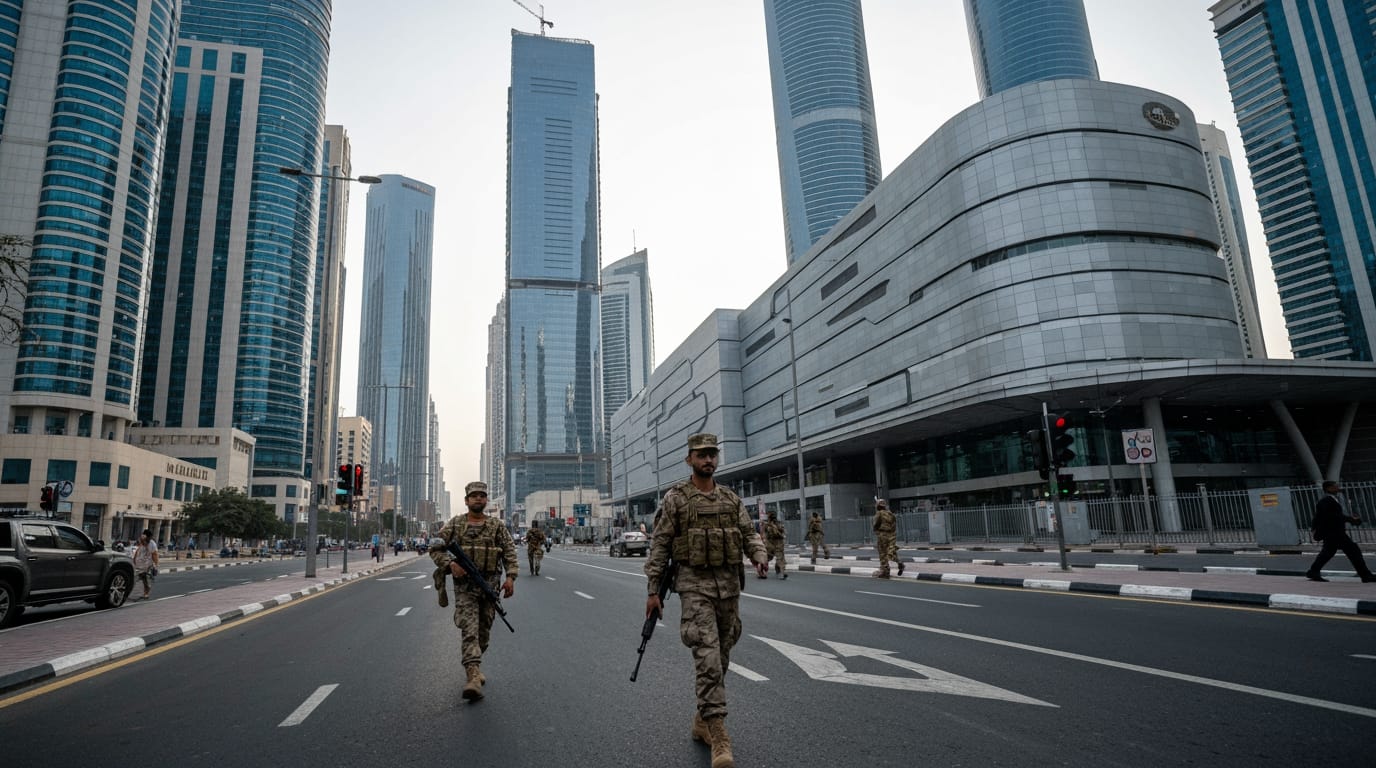
Abu Dhabi, a burgeoning hub for artificial intelligence, is strategically navigating the complex geopolitical landscape of the Middle East, particularly in the wake of recent regional tensions involving Iran. Far from deterring its ambitious drive to become a global AI powerhouse, the escalating volatility appears to be accelerating and reshaping the emirate's artificial intelligence strategy, reinforcing a commitment to sovereign AI infrastructure and fortified international partnerships. The perceived threats are not slowing down investment but are instead prompting a calculated recalibration of priorities and a doubling down on technological resilience.
Abu Dhabi's Vision for an AI-Powered Future
The United Arab Emirates, with Abu Dhabi at its forefront, has embarked on an aggressive and comprehensive strategy to pivot its economy away from hydrocarbon dependence and establish itself as a leader in artificial intelligence. This vision, encapsulated in initiatives like the UAE National Strategy for Artificial Intelligence 2031, aims to integrate AI across all sectors, from logistics and government services to finance and healthcare. The emirate has positioned AI as a central pillar for long-term economic resilience and a significant future contributor to its gross domestic product. Experts project that AI could contribute $91 billion to the Emirati economy within six years, reflecting a genuine national priority with robust leadership support.
Massive investments underscore this commitment, with projects like "Stargate UAE," one of the world's largest computing infrastructure initiatives, aiming to create a 5-gigawatt AI campus. This ambitious undertaking has attracted major global technology players, including OpenAI, Oracle, and Nvidia, signaling international confidence in Abu Dhabi's long-term technological trajectory. Additionally, significant collaborations, such as Microsoft's $1.5 billion investment in Abu Dhabi's G42, highlight a deliberate effort to build a sophisticated digital infrastructure ecosystem.
The Shadow of Regional Instability and Targeted Attacks
The regional environment, however, remains fraught with geopolitical complexities. Recent incidents, including Iranian drone and missile strikes on Gulf states in early March 2026, have cast a stark light on the vulnerabilities of critical infrastructure. Data centers in the UAE and Bahrain were among the targets, marking what is believed to be the first instance of AI infrastructure being directly targeted in a military conflict. These attacks, reportedly in response to US and Israeli actions, were interpreted by some as an attempt to undermine confidence in the Gulf's AI ambitions.
The precise targeting of digital infrastructure underscores a significant shift in modern conflict, where AI systems are not only tools for military operations—such as intelligence gathering, surveillance, and targeting—but are now also strategic targets themselves. This development forces a re-evaluation of security protocols for what was once considered purely civilian economic infrastructure.
Accelerating the Push for Sovereign AI
Despite these direct challenges, technology policy experts contend that the regional tensions have not deterred Abu Dhabi's long-term AI aspirations. Instead, the incidents have amplified the urgency for developing "sovereign AI" systems. Mohammed Soliman, a technology analyst and senior fellow at the Middle East Institute, noted that while the events necessitate discussions about enhanced security measures for data centers, they are unlikely to affect the long-term AI plans of the UAE.
Sovereign AI involves national control over critical data, infrastructure, and applications, ensuring that essential digital services remain under national jurisdiction. The UAE is "doubling down" on American technology partnerships to bolster its domestic AI capabilities and secure access to advanced computing systems. This includes substantial commitments, such as the UAE's pledge of $1.4 trillion for AI infrastructure in the United States and the recent delivery of Nvidia's highly sought-after CPUs and GPUs to the emirate. Executives involved in the UAE's AI push indicate that geopolitical instability is, in fact, accelerating demand for localized and resilient systems rather than hindering investment.
Strategic Adaptations and Fortified Partnerships
The geopolitical shifts are prompting concrete adaptations in Abu Dhabi's AI strategy. There is an increasing emphasis on building more resilient and distributed AI infrastructure. Instead of relying on a few centralized, large data hubs, companies and governments are exploring systems that can withstand potential attacks, supply chain disruptions, and regional instability. This distributed approach enhances security and operational continuity in volatile environments.
Furthermore, the regional landscape has, paradoxically, strengthened Abu Dhabi's strategic alliances, particularly with the United States. Samuel Hammond, director for AI policy at the Foundation for American Innovation, suggested that the Iranian aggression has "fortified the case" for these partnerships, with the UAE receiving a "vote of confidence" through its access to advanced AI hardware. The UAE's Ambassador to the US, Yousef Al Otaiba, has explicitly stated the emirate's deep commitment to American technology, framing the UAE-US AI partnership as "the most consequential economic partnership of this decade." This strategic alignment helps secure crucial supply chains for advanced semiconductors and computing power, which are vital for AI development.
The increasing integration of AI into military and defense applications also reinforces the need for robust, nationally controlled AI capabilities. The partnership with Israel, for instance, is explored as a means to expand security and technological cooperation, including advanced early-warning systems, counter-drone capabilities, and AI-based solutions.
Conclusion: A Resilient Path Forward
Abu Dhabi's journey to becoming a global AI hub is undeniably influenced by the ongoing regional tensions, yet the narrative emerging is one of resilience and strategic adaptation rather than retreat. The "Iran war" — referring to the intermittent but impactful episodes of aggression — has not curtailed the emirate's ambition but has instead acted as a catalyst, driving an intensified focus on sovereign AI, the hardening of digital infrastructure, and the cultivation of crucial international partnerships.
The emirate's strategic investments, its commitment to economic diversification, and its proactive approach to securing cutting-edge technology underscore a determination to build a future less dependent on traditional resources and more reliant on innovation. As AI continues to become a cornerstone of national security and economic prosperity, Abu Dhabi is meticulously weaving its technological aspirations into its geopolitical realities, charting a course that seeks to transform regional challenges into opportunities for strategic advancement and technological leadership.


