Georgia's Parliament in Crisis: Opposition Boycott Deepens Political Divide
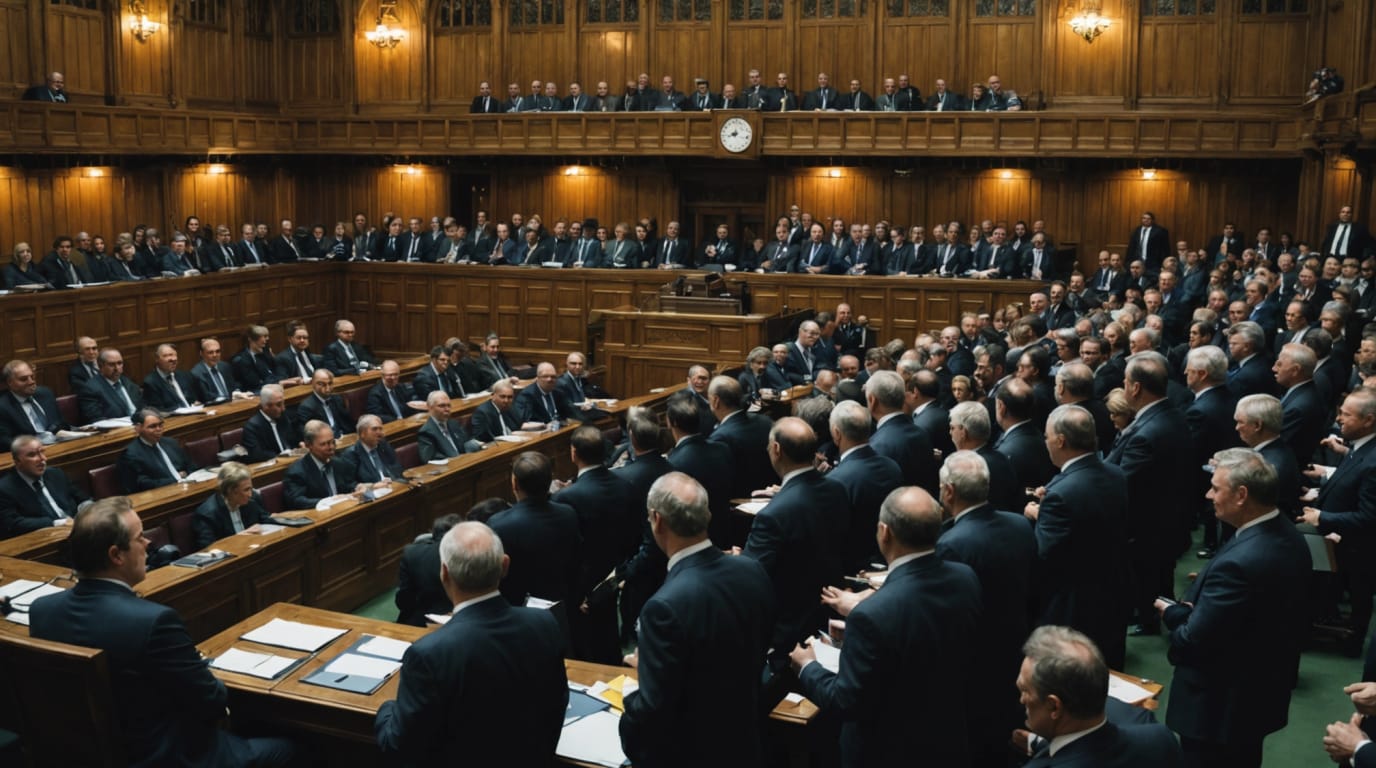
TBILISI, Georgia – Georgia's political landscape is increasingly fractured as the ruling Georgian Dream party consolidates power, facing accusations of electoral fraud and a growing democratic backslide. The recent parliamentary elections and subsequent events have triggered mass protests, a boycott by opposition parties, and international concern over the country's trajectory.
Disputed Elections and Mass Protests
The October 26, 2024, parliamentary elections, which saw the Georgian Dream party retain its majority, have been marred by allegations of widespread fraud. Demonstrators took to the streets of Tbilisi and other cities, demanding a recount and new elections. Opposition parties and civil society groups claim the elections were rigged under Russian influence, eroding public trust in the electoral system. The protests, ongoing since October 28, reflect deep-seated discontent with the ruling party's policies and its perceived shift away from Euro-Atlantic integration. Protesters cite multiple grievances, including Prime Minister Irakli Kobakhidze's announcement to postpone Georgia's integration into the European Union until 2028, and the disputed election of Mikheil Kavelashvili as President.
A Parliament Divided
The newly elected parliament opened its inaugural session on November 25, 2024, but the event was overshadowed by the absence of opposition lawmakers and President Salome Zourabichvili, who refused to recognize the parliament's legitimacy. Zourabichvili, whose role is largely ceremonial, declared that the parliament was unconstitutional due to evidence of electoral fraud. She has filed a lawsuit at the Constitutional Court, arguing that the secrecy and universality of the vote were violated. The opposition's boycott has left Georgian Dream in control of all key parliamentary positions, raising concerns about the lack of checks and balances in the government.
Purging of Opposition Mandates
The Georgian Dream party further solidified its control by voting on February 5, 2025, to revoke the mandates of 49 opposition parliamentarians who refused to take their seats. This decision effectively reduced the number of sitting parliamentarians to 89, all of whom are members of the ruling party. While the 49 MPs formally requested to resign their mandates in protest, an additional 12 opposition MPs from the "For Georgia" party have also refused to attend parliamentary sessions. This leaves the parliament overwhelmingly dominated by Georgian Dream, raising concerns about the representation of diverse political views.
International Scrutiny and Sanctions
Georgia's political situation has drawn strong reactions from the international community. The President of the European Council, Charles Michel, stated that allegations of irregularities "must be seriously clarified and addressed." Several Western countries have imposed sanctions on Georgia over the perceived democratic backsliding. On January 27, 2025, the European Union suspended parts of its visa facilitation agreement with Georgia, signaling its disapproval of the government's actions. The United States has also expressed concern over the erosion of democratic norms in Georgia and has hinted at further measures if the situation does not improve. While Hungary, China, and Turkey congratulated Georgian Dream on their victory, the broader international response reflects a growing unease about Georgia's political direction.
Fears of Authoritarianism and a "One-Party Constitution"
Critics accuse the Georgian Dream party, founded by oligarch Bidzina Ivanishvili, of steering Georgia closer to Russia while hindering its EU accession. The party's actions, including the constitutional changes passed in September 2024, have been described by opposition and civil society groups as an attempt to impose a "one-party constitution." These changes, which introduce a fully proportional system for electing MPs after 2024 while limiting the powers of the president, have been criticized for consolidating power in the hands of the ruling party. The current political climate has raised fears of a slide towards authoritarianism, with the opposition warning that the government is paving the way for political repression.
A Precarious Future
Georgia stands at a critical juncture. The lack of meaningful opposition in parliament, coupled with allegations of electoral fraud and democratic backsliding, has created a volatile political environment. The ongoing protests and international scrutiny highlight the challenges facing the ruling Georgian Dream party as it seeks to maintain power. Whether Georgia can overcome its political divisions and reaffirm its commitment to democratic values and Euro-Atlantic integration remains to be seen. The coming months will be crucial in determining the country's future direction.


