German Anthem of Affirmation "Gut Genug" Sweeps Global Social Media
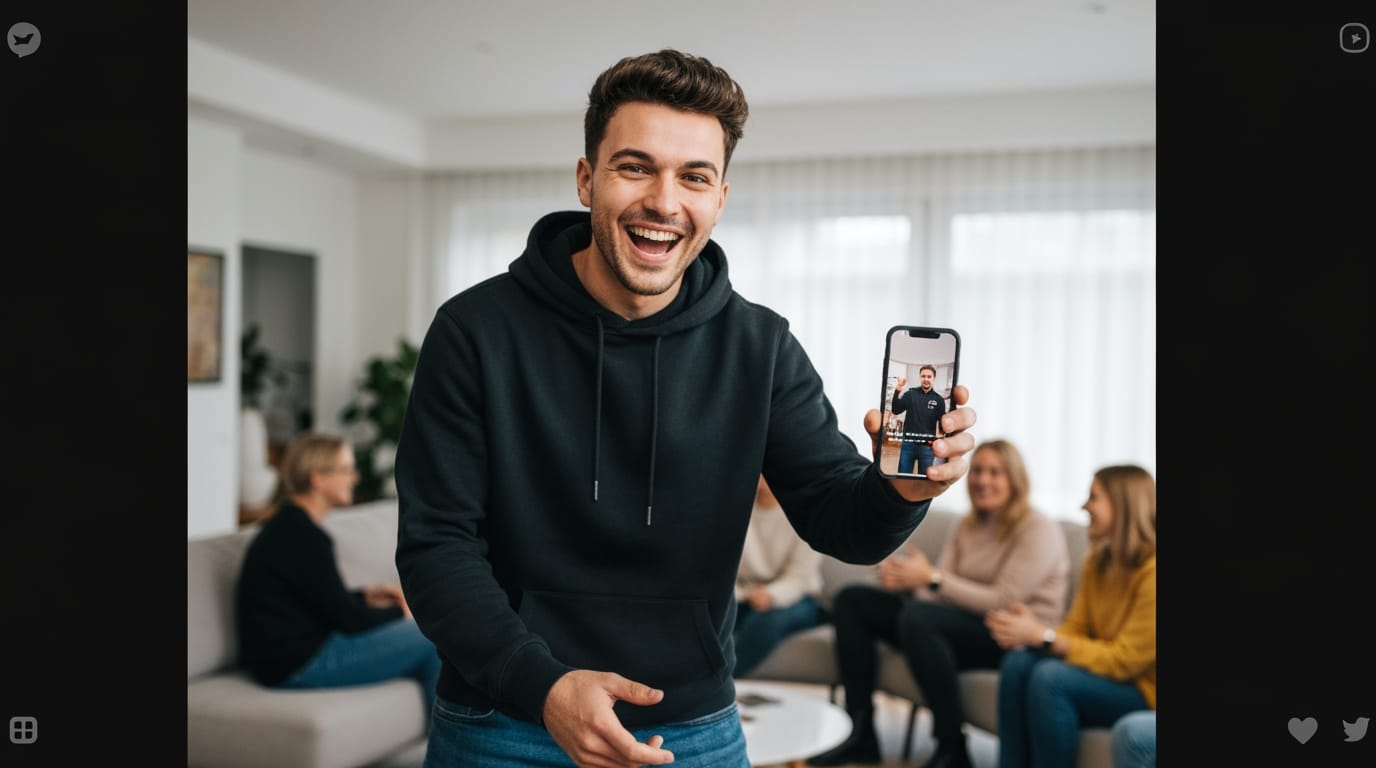
In an unexpected cultural phenomenon, a simple yet profoundly uplifting German song, "Gut Genug," has transcended language barriers to become a global social media sensation. Released in May by Berlin-based producers KitschKrieg, featuring the band Blumengarten and rapper Shirin David, the track’s core message, "Du bist gut genug" – or "You are good enough" – is resonating with millions, turning a heartfelt affirmation into a viral earworm across platforms like TikTok and Instagram.
This melodic message of self-acceptance has captivated audiences far beyond Germany’s borders, emerging as one of the year’s most surprising pop exports. Its meteoric rise underscores the unpredictable power of digital media to catapult localized content onto the world stage, transforming a poignant German phrase into a universal beacon of positivity.
The Genesis of a Global Hit
At the heart of this viral triumph is Blumengarten's lead singer, Rayan Djima, whose repetitive, minimalist delivery of the phrase "Du bist gut genug" anchors the song's infectious chorus. The track, collaboratively crafted by the renowned producer team KitschKrieg, alongside Blumengarten and Shirin David, tapped into a universal desire for validation and self-worth. Its composition is deceptively simple, yet it possesses an inherent catchiness that makes it perfectly suited for the short-form video format dominating social media. The short, impactful loop of Djima's vocals has proven particularly effective, quickly embedding itself in listeners' minds.
The song's organic spread began shortly after its release, with users on TikTok and Instagram incorporating it into their daily content. Its ascent from a local release to an international sensation has been swift, demonstrating how rapidly digital trends can evolve and proliferate.
"Doobie Scoot Canoe": An Accidental Global Meme
Perhaps one of the most significant factors in "Gut Genug's" international success is a humorous linguistic misunderstanding. For many English-speaking listeners, the German phrase "Du bist gut genug" often sounds like "Doobie Scoot Canoe." This accidental phonetic similarity sparked a secondary meme, leading to countless videos featuring users playfully lip-syncing the misheard lyrics. This unforeseen turn not only amplified the song's reach but also cemented its place in internet culture, proving that humor and relatability can transcend the original intent of a piece of music. The hashtag "Doobie Scoot Canoe" has become nearly as recognized as the song's actual title, highlighting the unique ways content adapts and evolves in the digital ecosystem.
The song's widespread appeal is further evidenced by its adoption by high-profile figures. Celebrities such as singer Lizzo and rapper Wiz Khalifa have used the track in their own social media posts, propelling it to an even wider audience. Lizzo’s video, featuring her dancing to the song, garnered millions of views, while American singer-songwriter Justine Skye also expressed her inability to get the tune out of her head. Even German supermodel Heidi Klum weighed in on the track, commenting on a reaction video that she preferred "only his part" – referring to Djima's vocals – a sentiment echoed by many international fans less enthusiastic about Shirin David's rap verse.
A Message of Positivity Against Digital Toxins
Beyond its catchy tune and viral misinterpretations, "Gut Genug" carries a surprisingly profound and timely message. In an online landscape often criticized for fostering negativity and unrealistic standards, the song's affirmation of self-worth stands out. TikTok creator and educator Mr. Philip Lindsay highlighted the song's importance, praising its "great" message and describing it as "the next trending thing on the internet." Lindsay particularly advocated for "more du bist gut genug" and "less toxic looksmaxxing culture," drawing a stark contrast between the song's wholesome sentiment and the often-detrimental focus on physical appearance prevalent online.
This positive counter-narrative resonates deeply, especially with younger audiences, including Generation Alpha. Parents have noted their children singing the song, with one parent reporting their 14-year-old belting out the tune and explaining, "it means you're enough!" This demonstrates the song's ability to communicate a vital message effectively, becoming a small but significant antidote to the pressures of digital perfectionism and the "looksmaxxing" trend, which encourages intense focus on improving physical appearance. The simplicity of Djima's repeated phrase, layered over a minimalist beat, makes the message both accessible and memorable, perfectly suited for quick consumption and repeated exposure on social platforms.
German Music's Viral Moment
The success of "Gut Genug" is not an isolated incident but rather indicative of a broader trend where German music is increasingly finding an international audience through social media. While German is often stereotyped as a harsh or aggressive language, "Gut Genug" actively challenges this perception, proving that German music can be fun, uplifting, and universally appealing. This success follows other notable viral German tracks, such as "Barbaras Rhabarberbar" by Bodo Wartke, a tongue-twister rap that captivated TikTok audiences in 2024 with its intricate dance routines and humorous lyrics about rhubarb pie.
These viral hits illustrate the changing dynamics of music discovery and consumption. No longer solely dependent on traditional media, artists can achieve global recognition through the organic, user-driven momentum of social platforms. The short, engaging "sound" format on TikTok and Instagram allows snippets of songs to quickly gain traction, often leading to full tracks gaining immense popularity. This shift provides an unparalleled opportunity for artists from diverse linguistic and cultural backgrounds to connect with a worldwide audience.
Conclusion: A Feel-Good Phenomenon with Lasting Impact
"Gut Genug" represents more than just a viral song; it is a cultural moment affirming the enduring power of positive messaging in an often-cynical digital world. Its blend of a catchy German chorus, an accidentally amusing English misinterpretation, and a genuinely uplifting theme has created a phenomenon that transcends typical musical trends. From celebrities to schoolchildren, the song's simple declaration – "You are good enough" – has resonated profoundly, offering a much-needed dose of positivity and self-acceptance.
As social media continues to shape cultural landscapes, "Gut Genug" stands as a testament to the unexpected pathways to global recognition and the universal human desire for encouragement. It demonstrates that sometimes, the most powerful messages are the simplest, capable of uniting diverse audiences under a shared sentiment of affirmation, one "Doobie Scoot Canoe" at a time. The song has not only brought a feel-good vibe to millions but has also firmly placed German music in the global viral spotlight, proving its capacity for unexpected charm and widespread appeal.