German Authorities Unearth Suspected Russian Spy Cache Near Berlin, Heightening Security Concerns
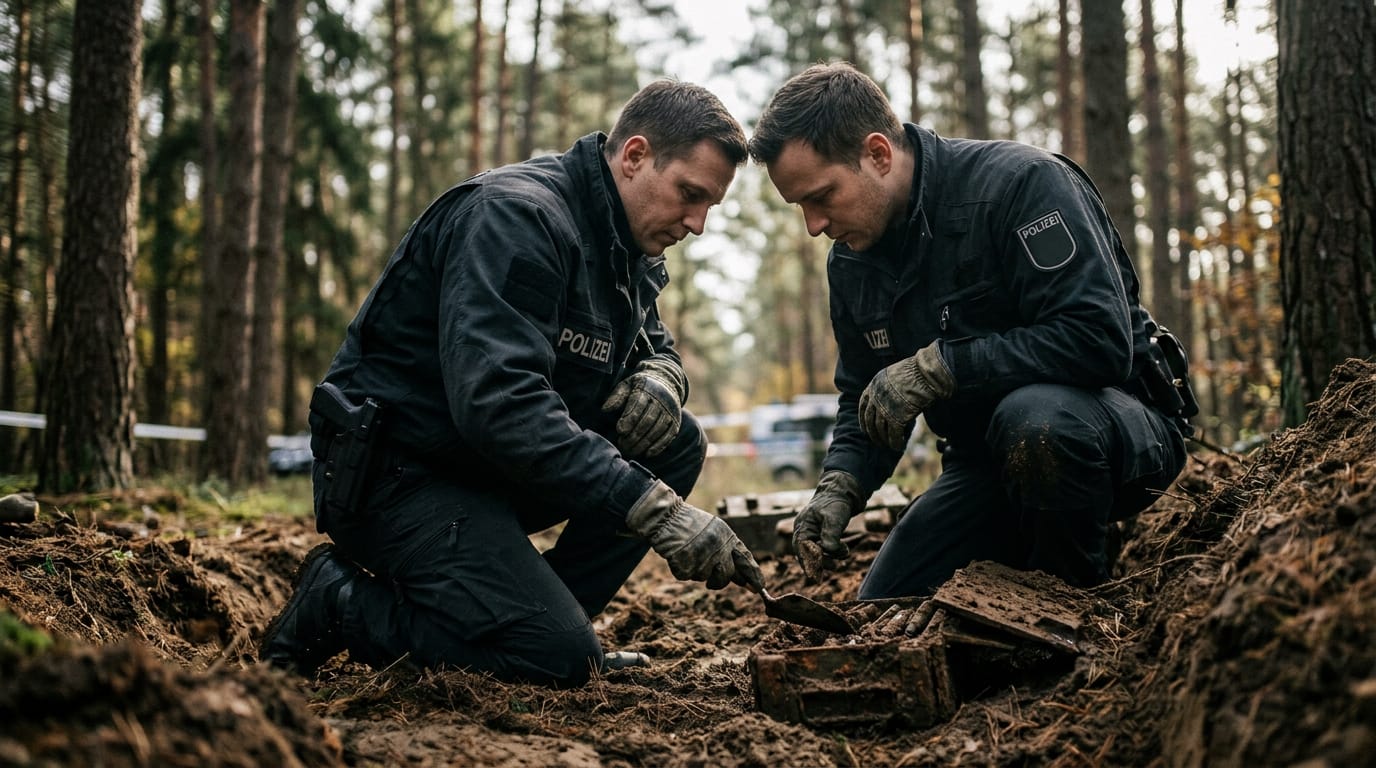
German security services last autumn uncovered a sophisticated weapons cache in a forest bordering Berlin, igniting a high-stakes investigation into alleged Russian state-sponsored "kinetic operations" on German soil. The meticulously hidden arsenal, believed to contain handguns intended for assassinations, has led to an arrest in Romania and intensified warnings from intelligence agencies about foreign interference amidst escalating geopolitical tensions. The discovery underscores a chilling new dimension in the hybrid warfare landscape, as Germany grapples with what its security apparatus describes as a heightened threat from covert state-backed aggression.
The Covert Discovery and Tactical Surveillance
The concealed depot was located in late summer of last year, nestled within a forested area near the border between Berlin and Brandenburg. Initial reports indicate the cache held two operational handguns along with ammunition, expertly hidden to evade detection. Rather than immediately seizing the weapons, German authorities, following a received tip-off, opted for a strategic surveillance operation. This delicate maneuver involved specialists discreetly rendering the firearms inoperable and reportedly equipping them with GPS trackers, all while leaving the cache largely undisturbed. The site was then placed under technical observation for several months, with the hope of identifying individuals who might attempt to retrieve the arms or provide further clues about the operation's masterminds. Despite the extensive surveillance, no one returned to the hidden location, leading officials to conclude the cache is now effectively "dead," with those behind it possibly becoming aware of the police operation or a related arrest.
The Unfolding Investigation and Alleged Russian Links
The gravity of the find prompted the Federal Public Prosecutor's Office to launch a formal investigation in November of last year. The case is being pursued on suspicion of "preparing a serious act of violence endangering the state," a charge reflecting the significant national security implications. Germany's domestic intelligence agency, the Federal Office for the Protection of the Constitution (BfV), has expressed strong convictions regarding the cache's origins, assessing it to have been established by Russian intelligence operatives. These operatives are believed to have intended the weapons for "kinetic operations," a term that encompasses physical attacks, sabotage, and assassinations. In a significant development, a suspect believed to be involved in setting up the cache was apprehended in Romania last autumn. German authorities are now engaged in discussions with Romania regarding the potential extradition of the individual, further solidifying the international dimension of this intricate case.
Heightened Threat Landscape and Identified Targets
The discovery aligns with persistent warnings from German intelligence agencies about escalating Russian espionage and sabotage activities within the country. For several months, the BfV has cautioned against an increased risk of Russian-backed operations targeting critical infrastructure, defense industry executives, exiled opposition figures, and supporters of Ukraine. This cache, according to security officials, may have been earmarked for agents tasked with carrying out such violent actions. Specific German defense sector leaders, such as Stefan Thumann, CEO of drone manufacturer Donaustahl, and Armin Papperger, CEO of arms manufacturer Rheinmetall, have previously been identified in media reports as potential targets of Russian intelligence services, though a direct link to this specific cache has not been publicly confirmed. The broader context of these alleged plots includes a series of other suspected Russian-backed sabotage efforts across Europe, including arson attacks and incendiary device incidents in Poland and the United Kingdom, alongside similar cases in Germany. A recent drone incident at Leipzig airport in early August of this year, near a Ukrainian cargo plane, further highlighted the perceived threat of hybrid attacks.
A New Era of Covert Conflict
Neither German authorities nor the Russian Embassy in Berlin have issued official statements specifically confirming the details of the investigation or directly addressing the allegations of Russian involvement. This official silence on specific intelligence matters, while understandable from a security perspective, underscores the covert nature of the alleged conflict. The methods employed, including professionally concealed weapons depots, draw parallels to Cold War-era espionage tactics, indicating a return to clandestine operations on European soil. The Federal Public Prosecutor's Office continues to lead the investigation, meticulously examining potential links to broader Russian intelligence operations across the continent.
The discovery of the Berlin arms cache serves as a stark reminder of the evolving and complex threats facing Germany and its European partners. It highlights the pervasive nature of hybrid warfare, where traditional military engagements are complemented by covert actions designed to destabilize and sow discord. As the investigation progresses, the incident reinforces the imperative for constant vigilance and robust counter-intelligence efforts to safeguard national security and maintain stability in an increasingly volatile geopolitical environment. The efforts of German security services in uncovering and neutralizing this potential threat are crucial in this ongoing, undeclared conflict.