German Chancellor Firm: Easing Russia Sanctions a "Wrong Move" Amid Global Energy Volatility
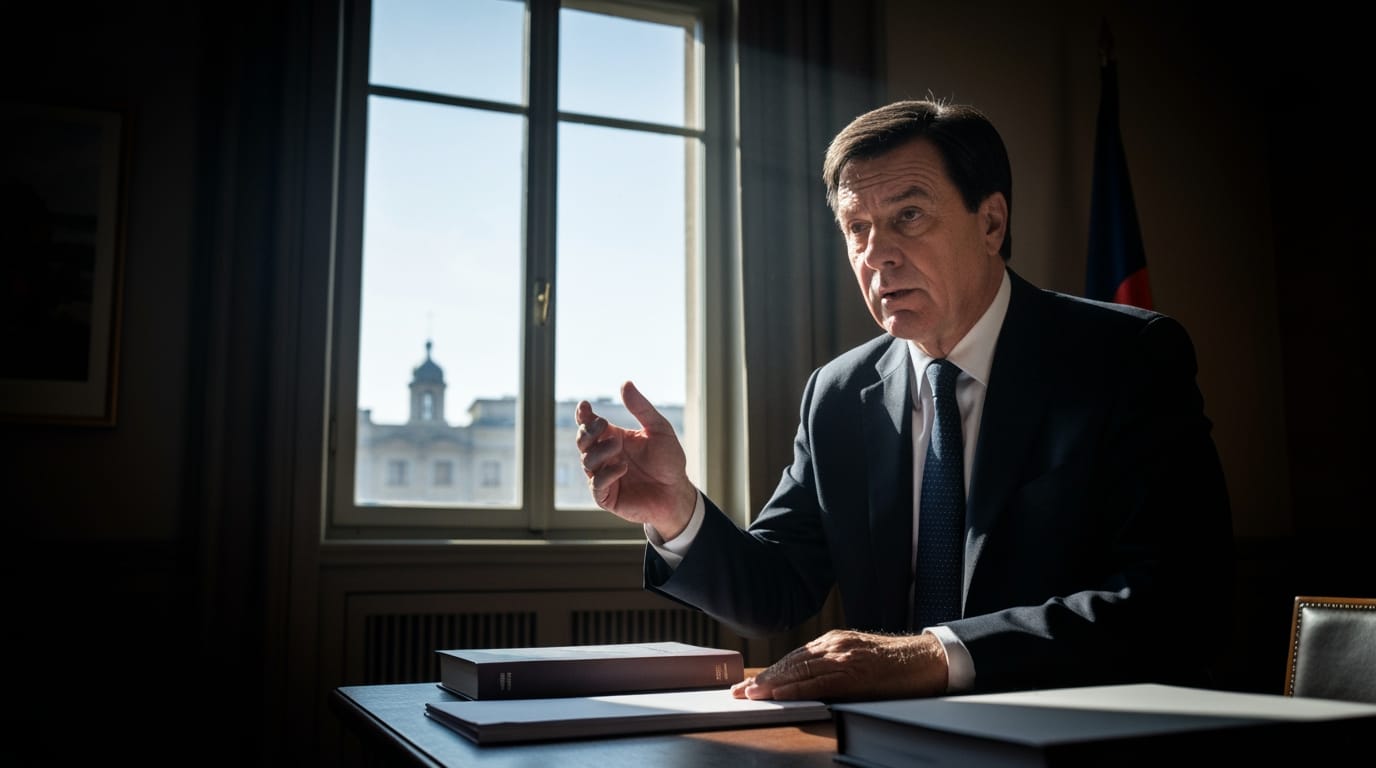
BERLIN – German Chancellor Friedrich Merz has strongly criticized any suggestion of easing sanctions against Russia, deeming such a move a "misstep" amidst ongoing global geopolitical tensions and recent temporary waivers issued by the United States on Russian oil. Merz's staunch position underscores a growing divergence in transatlantic approaches to maintaining pressure on Moscow, particularly as energy markets navigate renewed instability.
The Chancellor's remarks come at a pivotal moment, following a U.S. decision to temporarily permit the purchase of certain Russian oil and petroleum products already at sea. This waiver, valid for 30 days, was enacted in an effort to stabilize surging global energy prices, which have been significantly impacted by an escalating conflict involving the United States, Israel, and Iran. That Middle Eastern conflict has destabilized energy markets and notably threatened critical shipping routes such as the Strait of Hormuz.
The Enduring Sanctions Regime and Its Purpose
The comprehensive sanctions framework against Russia was initially established and significantly expanded following its full-scale invasion of Ukraine in February 2022. These measures built upon earlier restrictions imposed in 2014 after the annexation of Crimea. The European Union, in coordination with the United States, the United Kingdom, Canada, and other international partners, designed these tough economic and financial sanctions to isolate Russia from the global financial system, diminish the profitability of its crucial energy sector, and degrade its military capabilities.
The array of punitive measures targets various facets of the Russian economy and its leadership. They include restrictions on Russia's financial sector, such as freezing central bank assets and cutting off key Russian banks from the SWIFT messaging system. Additionally, export and import bans cover a wide range of goods, particularly dual-use technologies and oil refining products, aimed at hindering Russia's ability to finance and sustain its military aggression. Individual sanctions, including travel bans and asset freezes, have also been levied against prominent Russian officials and entities deemed responsible for undermining Ukraine's sovereignty.
The overarching objective of these sanctions is to impose severe consequences on Russia, thereby compelling a change in its behavior regarding Ukraine. International partners aim to thwart Moscow's capacity to continue its military operations and to uphold the principles of international law and territorial integrity.
Economic Impact: A Double-Edged Sword
From an economic perspective, the sanctions have indeed inflicted considerable pain on Russia's economy. Reports indicate a decline in oil and gas revenues, and a substantial portion of the Russian central bank's assets remains frozen globally. These measures have contributed to a reduction in the value of the Russian ruble and exacerbated the economic fallout of the 2022 invasion.
However, the efficacy of sanctions in achieving their primary political goals remains a subject of ongoing debate. While undoubtedly impactful, they have not triggered a widespread economic collapse in Russia nor have they compelled a halt to its aggression in Ukraine. In fact, Russia's Gross Domestic Product (GDP) reportedly saw an increase in 2024, largely attributed to massive war-related spending. Moscow has also demonstrated resilience by adapting to the new economic landscape, notably by redirecting its energy exports to new markets such as China and India, and increasingly conducting international trade in non-Western currencies like the ruble and yuan.
For Germany and other sanctioning nations, the economic repercussions have also been tangible. Studies suggest that Germany has experienced significant GDP losses due to the sanctions, and bilateral trade between Germany and Russia has drastically shrunk. This highlights the inherent cost of economic warfare, which often entails a reciprocal impact on the economies of those imposing the restrictions.
The German Perspective: Unwavering Resolve
Chancellor Merz's resolute stance against easing sanctions reflects a broader German commitment to supporting Ukraine and maintaining a unified front against Russian aggression. Speaking alongside Norway's prime minister, Merz questioned the U.S. decision, emphasizing that relaxing pressure on Moscow, regardless of the rationale, constitutes a "wrong move." He also voiced concerns that such waivers could inadvertently bolster Russia's war finances.
Merz underlined that while there might be current issues with energy prices, a supply problem does not necessarily exist, implying that market stabilization could be achieved through other means, such as utilizing existing oil reserves, rather than by ceding ground on sanctions. He explicitly sought clarification on the additional factors that led the U.S. government to its decision. This position is consistent with Merz's broader foreign policy vision, where he views the conflict as fundamentally driven by Russia's imperial ambitions and stresses that Europe must not allow Russia to dictate European affairs.
Germany, a key economic powerhouse within the European Union, has been a steadfast supporter of the sanctions regime, understanding that its effectiveness hinges on consistent application and broad international consensus. The Chancellor's warnings signal a potential point of friction within the Western alliance, as the immediate economic pressures of global energy markets confront the long-term strategic imperative of isolating Russia.
Looking Ahead: Balancing Stability and Strategic Goals
The debate surrounding sanctions easing highlights a delicate balancing act for Western powers: how to address immediate economic challenges, particularly fluctuating energy prices exacerbated by new conflicts, while maintaining a firm stance against Russian aggression and preventing the undermining of a carefully constructed sanctions architecture.
Merz's strong advocacy for sustained pressure on Russia underscores the belief that any relaxation of sanctions would signal weakness and could encourage further belligerence. He implicitly calls for a re-evaluation of strategies to mitigate energy price volatility that do not compromise the core objectives of the sanctions. The German Chancellor's position emphasizes that solidarity with Ukraine and the unwavering commitment to a rules-based international order must take precedence, even when faced with domestic and international economic pressures. The coming weeks will reveal how this transatlantic divergence on sanctions management evolves, and whether a unified strategy can be maintained amid complex and intersecting global crises.


