German Chancellor Slams US Strategy in Iran Conflict, Warns of Escalation and Economic Fallout
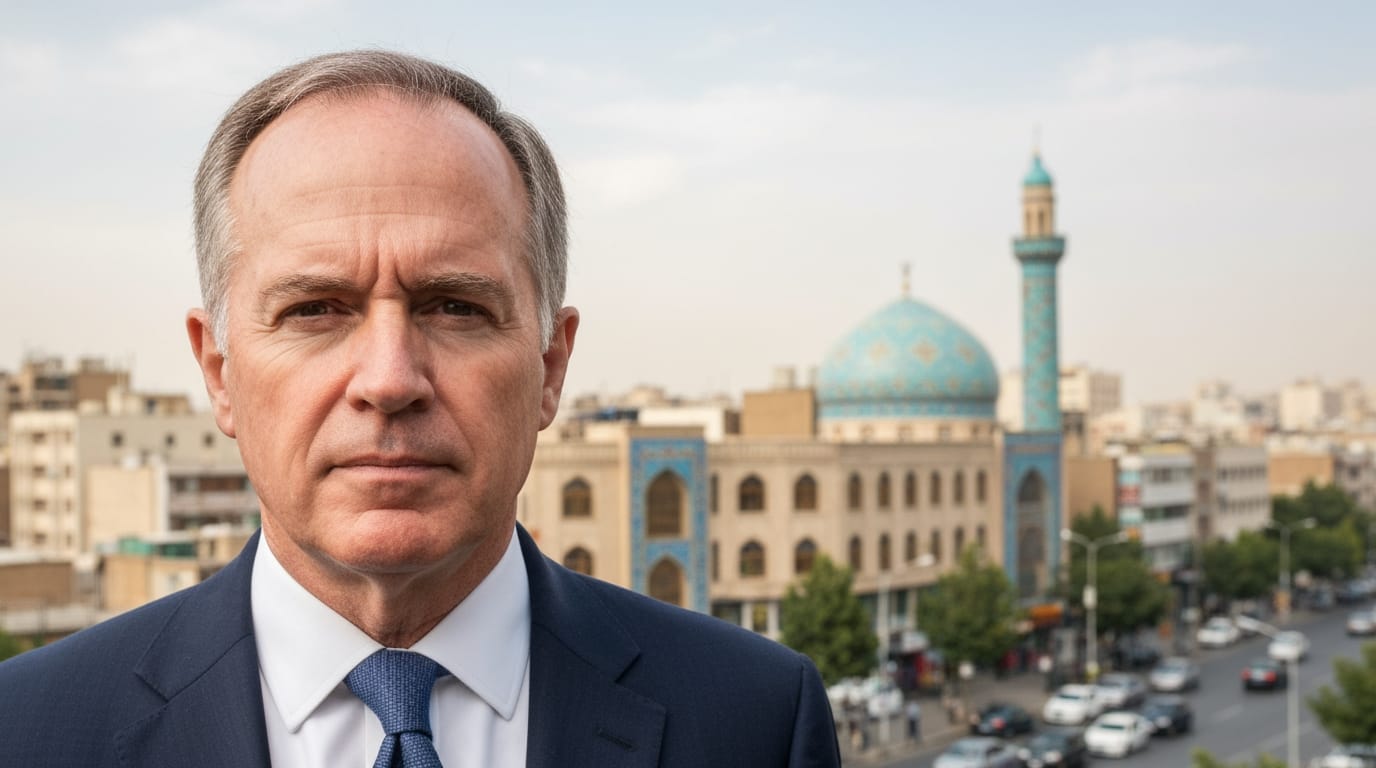
BERLIN, GERMANY – German Chancellor Friedrich Merz has issued a stark critique of the United States and Israeli military campaign in Iran, describing the conflict as "completely unnecessary" and raising profound doubts about the effectiveness and strategic foresight of the Western allies. In recent statements, Merz questioned the absence of a clear exit strategy and cautioned against the deepening entanglement in a war he fears could have devastating global economic repercussions. His remarks signal a potentially significant shift in Berlin's public posture regarding the escalating tensions in the Middle East.
Speaking after an informal European Union summit and later to students, Chancellor Merz articulated his deep skepticism regarding the path chosen by Washington and Tel Aviv. He emphasized that the ongoing hostilities are destabilizing energy markets worldwide and pose a direct threat to the foundations of the global economy. Merz's latest comments highlight growing European anxieties over the protracted conflict and underscore a call for a unified European response to mitigate its widespread impact.
Accusations of Strategic Drift and Unnecessary Conflict
Chancellor Merz's most recent criticisms, made on Saturday following EU discussions and reiterated Monday to students in Marsberg, North Rhine-Westphalia, paint a picture of a US-led effort lacking coherent direction. He explicitly questioned the "effectiveness of the US and Israeli military campaign in Iran," stating, "I'm just not convinced that what Israel and the US are doing right now will actually succeed." Merz further expressed "serious doubts about whether there is a strategy and whether that strategy is being implemented successfully. In that regard, it could take longer, and things probably won't improve."
A central theme of Merz's recent critique is the perceived humiliation of the Iranian people by their own government. He warned that "an entire nation is being humiliated by the Iranian leadership, especially by these so-called Revolutionary Guards." This sentiment suggests a focus not on US humiliation, but on the internal plight of Iran under its current regime, even as he simultaneously chastises the US approach. He also noted Iran's adept negotiation skills, suggesting Tehran is "clearly stronger than one thought." Merz underlined the necessity of ending the conflict swiftly, citing direct adverse effects on Germany's economic landscape.
A Shifting Stance Amidst Escalation
These pointed criticisms mark a notable evolution from earlier statements made by Chancellor Merz. Just weeks prior, in early March 2026, and as far back as June 2025, Merz had publicly expressed a far more supportive stance toward the US and Israeli actions against Iran. In March, he had called the Iranian regime "terrorist" and stated his belief that Germany shared "the relief of many Iranians that this mullah regime is now coming to an end." He had then welcomed military strikes as a means to end the regime's "terror and its dangerous nuclear and ballistic armament." During a meeting with then-US President Donald Trump in early March, Merz had even signaled Germany's readiness to cooperate on a strategy for a post-conflict scenario, implying support for regime change. He also lauded Israel for "the dirty work it is doing for all of us" in June 2025, in reference to strikes on Iran, and stated there was "no reason for him to criticize" US and Israeli attacks given Iran's pursuit of nuclear weapons.
This earlier support contrasts sharply with his latest pronouncements of an "unnecessary war" and questioning of US strategy. While Merz welcomed a two-week ceasefire brokered in early April, emphasizing diplomatic solutions, his recent remarks go further, suggesting a fundamental disagreement with the ongoing military approach itself.
Global Economic Ripple Effects and European Unity
A core concern for Chancellor Merz is the far-reaching economic instability triggered by the conflict. He highlighted how hostilities are "sending shockwaves through global oil and gas markets," leading to price increases that affect Europe, Asia, and even the United States. The strategic importance of the Strait of Hormuz, a critical waterway for energy shipments, was also underscored, with Merz noting that recent developments have exposed the fragility of the globalized economy.
Recognizing the magnitude of these challenges, Merz has called for a united European front. He argued that "fragmented national approaches prove insufficient" in the face of such a crisis and stressed that the European Union must "speak with one voice to influence outcomes in the escalating crisis." He insisted that only a cohesive European response could adequately address the multiplying threats, emphasizing that "if Europe fails, then Germany will also fail."
Transatlantic Relations and Germany's Evolving Role
Chancellor Merz's candid remarks signal potential friction within the transatlantic alliance and raise questions about the future trajectory of German foreign policy regarding the Middle East. While Germany has historically been a strong US ally, these statements suggest a growing divergence in tactical approaches and strategic assessments concerning Iran. Merz's calls for diplomatic resolution and his questioning of military efficacy suggest a preference for non-military solutions, even as he previously supported punitive actions.
The German Chancellor's evolving perspective may reflect broader European concerns that military interventions, without clear political objectives and exit strategies, risk further destabilizing an already volatile region and inflicting severe economic costs globally. His emphasis on protecting Germany's economy and securing freedom of navigation through critical choke points like the Strait of Hormuz indicates a pragmatic European self-interest guiding Berlin's stance.
Conclusion
Chancellor Friedrich Merz's recent condemnation of the US and Israeli military campaign in Iran marks a pivotal moment in the discourse surrounding the Middle East conflict. His characterization of the war as "unnecessary" and his strong doubts about American strategy, alongside warnings of global economic disruption and the humiliation of the Iranian nation by its own leaders, underscore a growing European unease. This evolving position, contrasted with earlier German support for robust action against the Iranian regime, suggests a complex and perhaps fracturing transatlantic consensus on how best to manage the persistent threat posed by Tehran. As the conflict deepens, the international community watches closely to see how these divergent views will impact future diplomatic and strategic efforts to achieve stability in the region.


