German Coalition Forges Sweeping Reform Package in Bid to Revitalize Economy
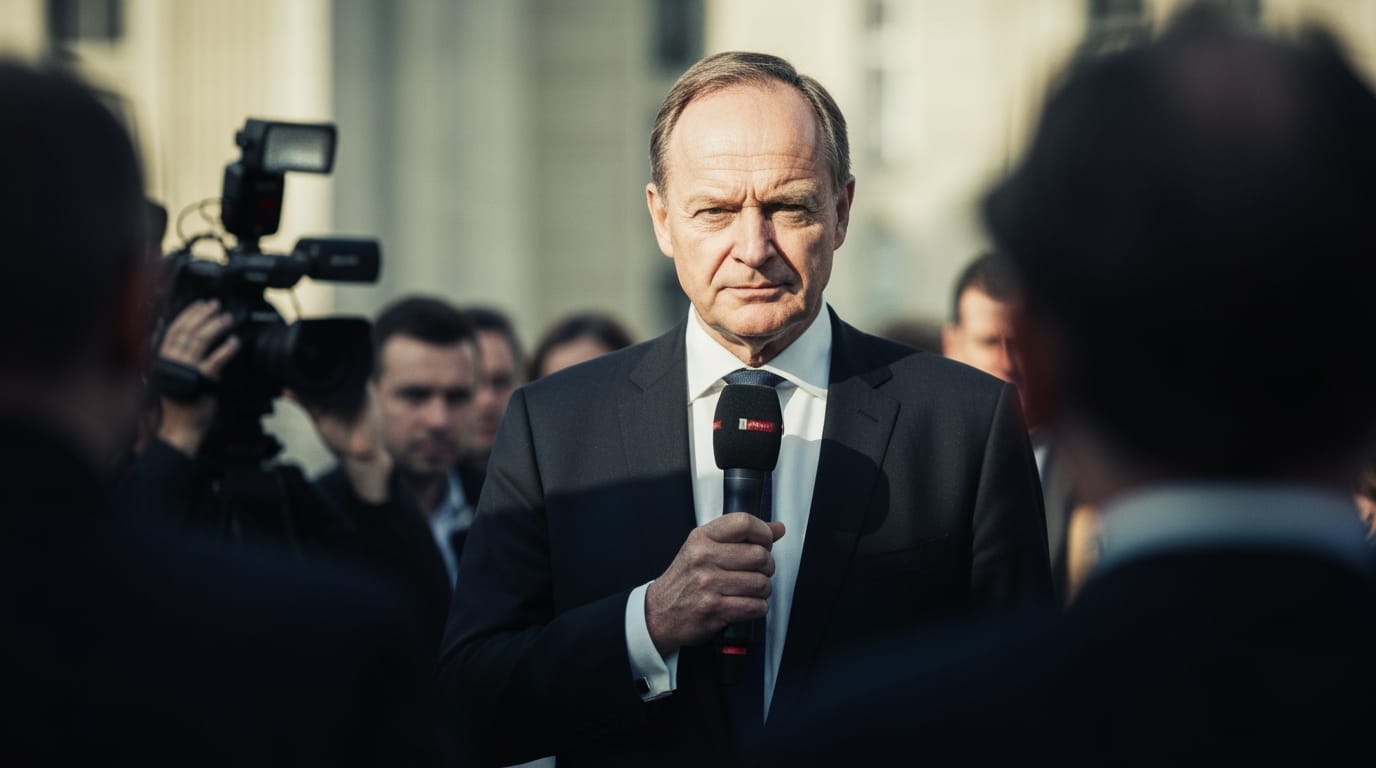
BERLIN – Germany's ruling coalition has reached a landmark agreement on a comprehensive reform package, marking a critical breakthrough aimed at reigniting the nation's struggling economy and stemming the tide of rising far-right populism. Announced Thursday by Chancellor Friedrich Merz, the ambitious "Programme for Revival and Employment" encompasses wide-ranging changes to tax, labor, and pension systems, signaling a concerted effort to recalibrate Europe's largest economy.
The agreement, forged between Chancellor Merz's center-right Christian Democratic Union/Christian Social Union (CDU/CSU) alliance and their Social Democratic Party (SPD) partners, arrives after months of intense internal negotiations and significant political pressure. With Germany grappling with high production costs, subdued private investment, and an aging population straining its welfare systems, the reforms are positioned as one of the most substantial policy overhauls in decades.
Overhauling the Economic Landscape
Central to the reform package are significant adjustments to Germany's fiscal policy and business environment. The coalition has agreed to income tax cuts totaling approximately 10 billion euros ($11.4 billion) annually, primarily benefiting low and middle-income earners. This tax relief is projected to leave an average family approximately 600 euros better off each year. To finance these cuts, the package includes provisions for higher taxes on the wealthiest individuals, with the tax rate rising to 45% for those earning over 250,000 euros annually and to 47% for incomes exceeding 280,000 euros.
Beyond taxation, the reforms target a reduction in bureaucratic hurdles that have long been cited as a drag on business agility. The government plans to significantly cut corporate reporting obligations, ensuring only those explicitly justified by ministries or reaffirmed with clear rationales will remain. Additionally, efforts to streamline public administration include a goal to reduce staffing in federal ministries by 8% through enhanced digitalization. These measures are designed to increase the flexibility and competitiveness of German businesses, which have faced growing challenges from global competition and escalating energy costs.
Reforming Labor and Social Welfare Systems
The agreement also introduces notable changes to Germany's labor market and social security framework, areas that have been subject to considerable debate. A key reform involves the pension system, which is set for an overhaul that will gradually see the retirement age rise past 67, aligning it with life expectancy. This adjustment is based on recommendations from a government-mandated panel of experts and politicians, with the aim of stabilizing the system and preventing future pension reductions or substantial increases in employee contributions.
In a move aimed at reducing worker absenteeism and bolstering productivity, the long-standing practice of obtaining a sick note by telephone will be abolished. Under the new rules, employees will be required to provide a doctor's certificate from the first day of illness, a departure from the previous norm where a certificate was often only needed from the fourth day. Furthermore, the package introduces greater flexibility in labor laws, allowing for temporary contracts to be extended for up to four years and loosening working-time regulations in specific sectors, such as bakeries. While business organizations have largely welcomed these changes, trade union IG Metall has voiced strong opposition, describing the labor reforms as an "attack on workers' rights."
Political Context and Future Outlook
The impetus for this extensive reform agenda stems from a confluence of economic pressures and political imperatives. Germany's economy has struggled to regain momentum since the pandemic, with its 2026 growth forecast recently halved to 0.5%. The coalition government, in power since May last year, has been under immense pressure to demonstrate its capacity to tackle these structural weaknesses, especially in light of the surging popularity of the far-right Alternative for Germany (AfD) party. Key regional elections scheduled for September in former communist eastern German states, which are AfD strongholds, have further underscored the urgency for the ruling parties to present a unified and effective response to the nation's challenges.
Chancellor Merz, addressing the press, emphasized the government's commitment to overcoming the country's economic structural weaknesses, acknowledging the intense pressure from various fronts. The package also includes measures to address "unfair competition" at the European Union level, with a particular focus on Chinese trade practices, and to implement stricter rules on foreign investment in strategic sectors and critical infrastructure. Additionally, the reforms pledge efforts to build more affordable housing and combat benefit fraud.
While the reforms are expected to face scrutiny and potential opposition during implementation, their agreement represents a significant show of unity and determination from the German coalition. Marion Muehlberger, a senior economist at Deutsche Bank, remarked that the announcement constitutes "one of Germany's biggest reform packages in decades," suggesting it "should bode well for sentiment and dovetails with our forecast that growth will pick up in the second half of the year." The success of these reforms in revitalizing the economy and restoring public confidence will be closely watched both domestically and across Europe.


