German Coalition Partners Agree on Ambitious Financial Package Amid Economic Concerns
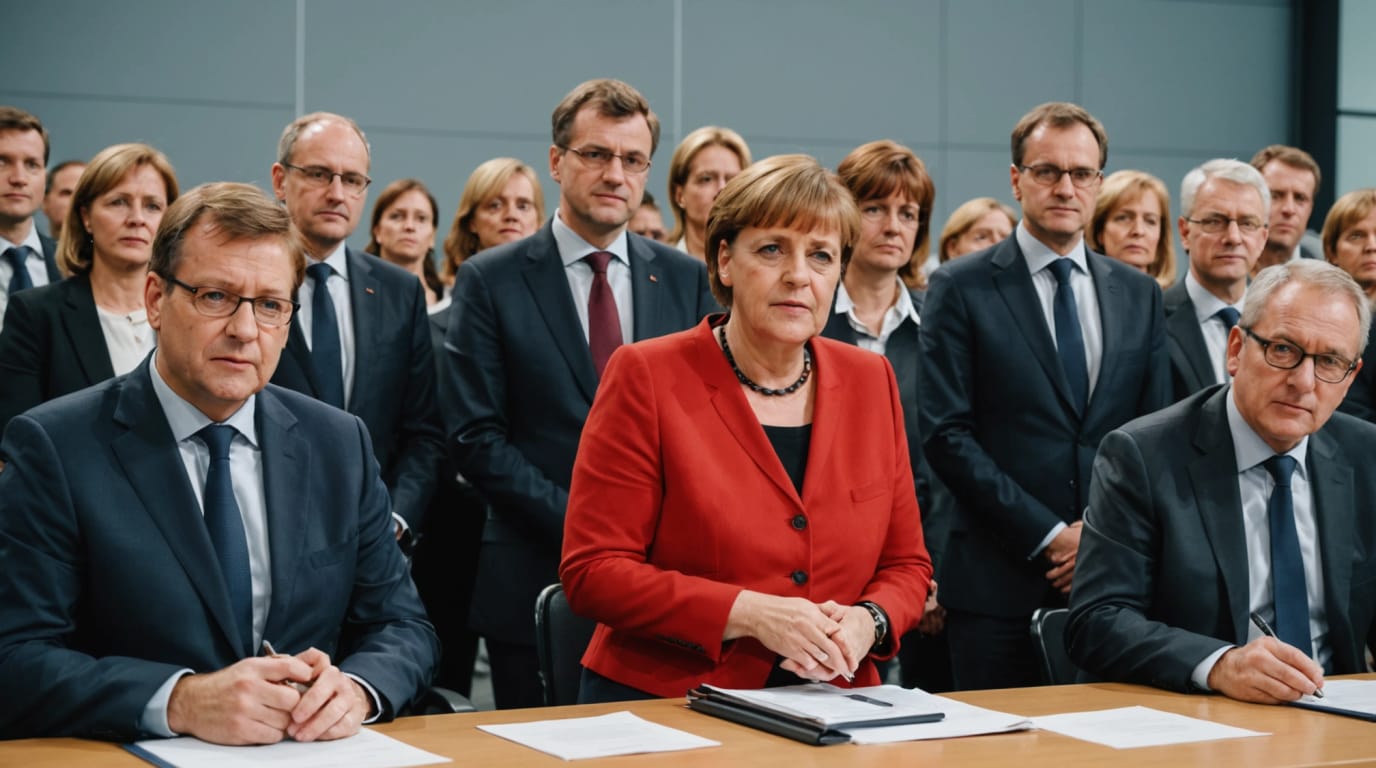
BERLIN – Germany's Christian Democratic Union (CDU) and Social Democratic Party (SPD) have reached an agreement on a substantial financial package aimed at stimulating the nation's sluggish economy and addressing pressing domestic and international challenges. The agreement, announced Tuesday, comes after weeks of intense negotiations following the February 23rd snap election, and signals a potential shift in Germany's fiscal policy.
The coalition deal arrives at a critical juncture for Europe's largest economy. Germany has faced economic headwinds in recent years, with GDP contracting by 0.3% in 2022 and a further 0.2% in 2024. Forecasts for 2025 have been repeatedly revised downwards, with the government most recently projecting a meager 0.3% growth. High energy costs, reduced industrial competitiveness, and labor shortages have all contributed to the economic slowdown. The agreed-upon financial package seeks to counter these trends through a combination of increased investment and targeted tax relief.
Key Components of the Financial Agreement
The financial package is multifaceted, addressing several key areas:
- Defense Spending: A significant portion of the funds will be allocated to defense, with both the CDU and SPD committed to meeting NATO's target of spending at least 2% of GDP on defense. This commitment has been reinforced by the recent suspension of U.S. military aid to Ukraine, placing additional pressure on Germany to bolster its defense capabilities and contribute to European security. Some reports suggest a special fund of 100 billion euros could be created for defense spending.
- Infrastructure Investment: Recognizing the need to modernize Germany's infrastructure, the agreement includes provisions for substantial investments in this area. Specific projects and funding amounts are still under discussion, but the focus is expected to be on improving transportation networks, digital infrastructure, and public services.
- Economic Stimulus: The package aims to revitalize Germany's economy through a combination of tax cuts and industrial subsidies. The CDU has proposed lowering the corporate tax rate to 25% from the current rate of approximately 30% to encourage investment. Additionally, there are plans to raise the income threshold for the top income tax rate to bolster middle-class incomes and stimulate consumer spending.
- Green Transition: While details are still emerging, the coalition is expected to continue Germany's commitment to the energy transition, albeit with a potentially more pragmatic approach that balances environmental goals with economic competitiveness. This may involve scaling back some regulations while providing support for industries undergoing the transition.
Contentious Issues and Compromises
Negotiating the financial package required both parties to make concessions on key policy priorities. One of the most contentious issues was Germany's "debt brake," a constitutional rule that limits new borrowing. The CDU traditionally favors strict adherence to the debt brake, while the SPD has advocated for greater flexibility to allow for increased public investment.
The agreement appears to involve a compromise on this issue. While the debt brake will not be completely abandoned, there is likely to be a modest relaxation of the rule to allow for increased investment spending. Some analysts predict the structural deficit ceiling could be raised slightly, from 0.35% of GDP to 0.5% of GDP. This compromise reflects the recognition that addressing Germany's economic challenges requires a degree of fiscal flexibility.
Another area of disagreement was taxation. The SPD had initially sought to finance investments through higher taxes, particularly on higher incomes, while the CDU favored tax cuts to stimulate business activity. The final agreement includes elements of both approaches, with targeted tax relief for businesses and potential adjustments to income tax brackets.
Implications and Challenges Ahead
The agreement between the CDU and SPD has significant implications for Germany's economic future and its role in Europe. The financial package, if implemented effectively, could provide a much-needed boost to the German economy, stimulating growth and improving competitiveness. The increased defense spending will also strengthen Germany's position within NATO and its ability to respond to international security challenges.
However, the coalition faces several challenges in implementing the agreement. One key challenge will be navigating the complex political landscape and securing the necessary approvals for the proposed measures. The agreement will need to be ratified by the Bundestag, and any changes to the debt brake would require a constitutional amendment, which requires a two-thirds majority.
Another challenge will be managing the potential trade-offs between different policy goals. For example, efforts to stimulate economic growth could conflict with environmental objectives, and increased defense spending could put pressure on other areas of the budget. The coalition will need to carefully balance these competing priorities to ensure the long-term sustainability of its policies.
A Path Forward for Germany?
The agreement between the CDU and SPD represents a significant step towards forming a stable and effective government in Germany. By addressing key economic challenges and committing to increased investment in defense and infrastructure, the coalition aims to put Germany on a path towards renewed growth and prosperity.
However, the success of the coalition will depend on its ability to overcome the challenges ahead and implement its policies effectively. The coming months will be crucial in determining whether the agreement can deliver on its promises and restore Germany's position as a leading economic power. The pressure is on, both domestically with a struggling economy, and internationally with the suspension of US aid to Ukraine, to provide financial clarity.


