German Coalition Talks Nearing Completion as Parties Aim for Agreement This Week
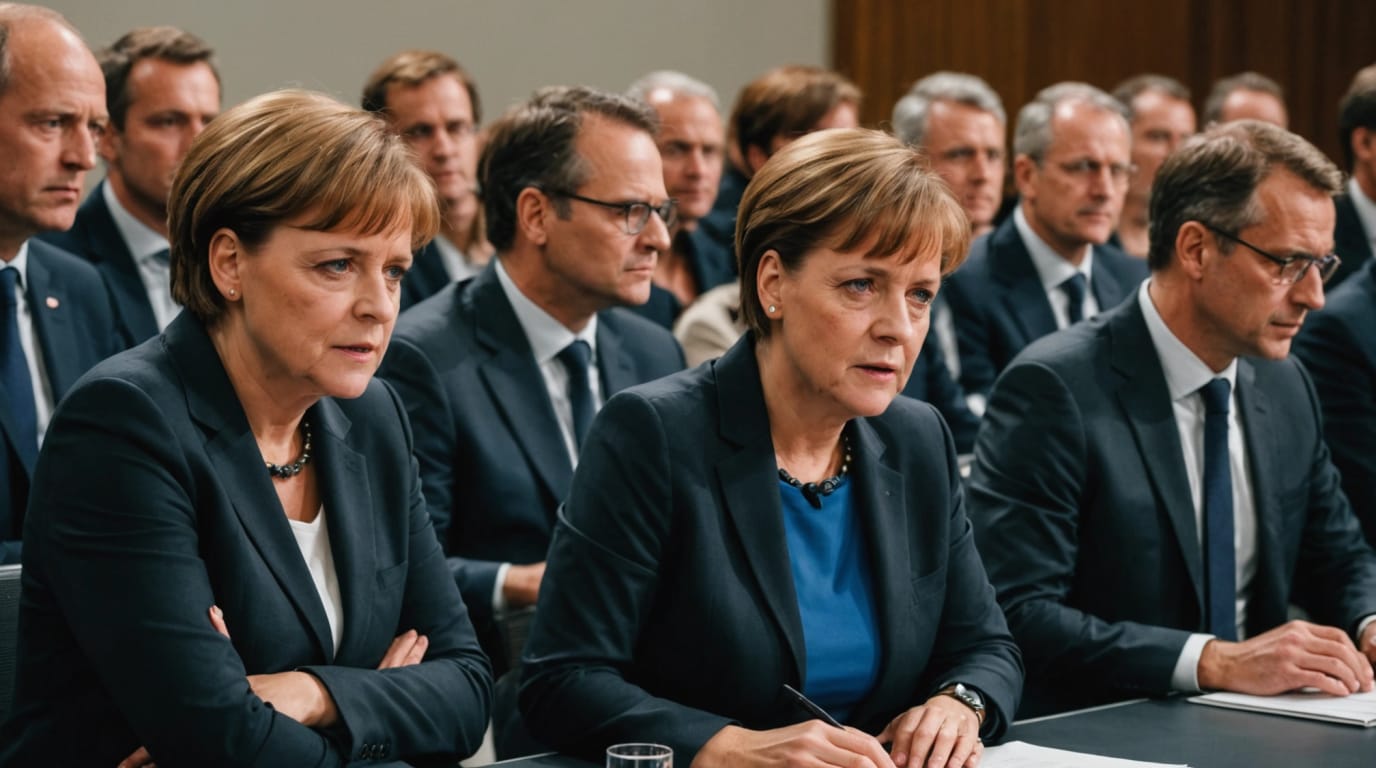
Berlin – Germany is on the cusp of forming a new government as coalition talks between the center-right CDU/CSU alliance and the center-left SPD (Social Democratic Party) reach a critical stage. Following snap elections in February, the two parties are working to finalize an agreement that would provide a stable governing majority in the Bundestag. With pressing domestic economic challenges and growing international security concerns looming, leaders are aiming to conclude negotiations swiftly.
The CDU/CSU, led by Friedrich Merz, emerged as the strongest party in the February elections, securing 28.5% of the vote. However, they fell short of an outright majority, necessitating a coalition partner. The SPD, despite achieving their lowest historical result at 16.4%, has become a crucial player in forming a government. Together, the two parties would command 328 seats in the Bundestag, surpassing the 316 needed for a majority.
Key Policy Areas Under Discussion
Negotiations have focused on several key policy areas, including economic policy, migration, and international security. Both parties have expressed a commitment to enhancing Germany's competitiveness and securing jobs across the country.
- Economic Policy: Discussions revolve around tax cuts, reducing bureaucratic hurdles, lowering energy prices, and keeping social security costs in check. The parties are also considering reforms to the "citizen's benefit" income support payment and a corporate tax reform. A potential overhaul of state debt rules is also on the table to free up funds for defense and infrastructure investments.
- Migration Policy: One of the initial sticking points in negotiations was migration policy. The CDU/CSU had long advocated for rejecting asylum seekers at Germany's borders, a proposal that initially raised concerns among the SPD. However, both parties have reportedly reached a common stance, with plans to conduct more police checks at the borders in coordination with European neighbors. Restrictions on family members joining refugees already in Germany are also being considered.
- Energy and Climate: The parties have reportedly agreed to abolish the heating law in its current form, which stipulated the gradual phase-out of oil and gas heating systems. Negotiators have also discussed measures to provide power price relief for energy-intensive industries.
- International Security: With growing international security concerns, defense and foreign policy are also key areas of discussion.
Strict Rules and Timelines
To avoid the public infighting and policy disagreements that plagued previous coalition governments, the CDU/CSU and SPD have implemented strict rules for the negotiations. These include rigid media controls, banning press statements and leaks, and prohibiting social media snapshots. The goal is to maintain a businesslike atmosphere and ensure the talks remain disciplined and on time.
The negotiating parties have set ambitious timelines for concluding the agreement. Friedrich Merz had initially aimed to finalize negotiations before the Easter holiday (April 20-21). Lead negotiators now want to finalize coalition treaty by the middle of this week. The agreement is then set to be published, before the SPD is given two and a half weeks to approve the treaty, while the CDU plans to convene a small party conference. The agreement could then be signed at the end of April or beginning of May.
Optimism and Challenges Ahead
Despite the challenges, leaders from both parties have expressed optimism about the progress of the negotiations. Friedrich Merz has welcomed the growing mutual trust between the parties, while SPD co-chair Lars Klingbeil has highlighted the substantial progress made by working groups.
However, significant hurdles remain. The parties must bridge differences on key policy issues and ensure that the final agreement addresses the pressing challenges facing Germany. The need for a two-thirds majority in parliament to overhaul state debt rules presents a particular challenge.
Implications for Germany and Beyond
The formation of a stable coalition government in Germany has significant implications both domestically and internationally. A strong and unified government is crucial for addressing Germany's economic challenges, navigating international security concerns, and maintaining its role as a leading voice in Europe.
The outcome of the coalition talks will also have a direct impact on the lives of people living in Germany. From changes to citizenship laws to reforms in the rental market, the new government's policies will shape the country's future for years to come.
Conclusion
As coalition talks near their conclusion, Germany stands at a pivotal moment. The CDU/CSU and SPD have an opportunity to forge a strong and stable government that can address the country's challenges and secure its future. While significant hurdles remain, the commitment from both parties to find common ground offers hope for a successful outcome. The coming days will be decisive as negotiators work to finalize an agreement that will shape the direction of Germany for the next several years.


