German Farms Face Unprecedented Crisis Amidst Soaring Food Prices
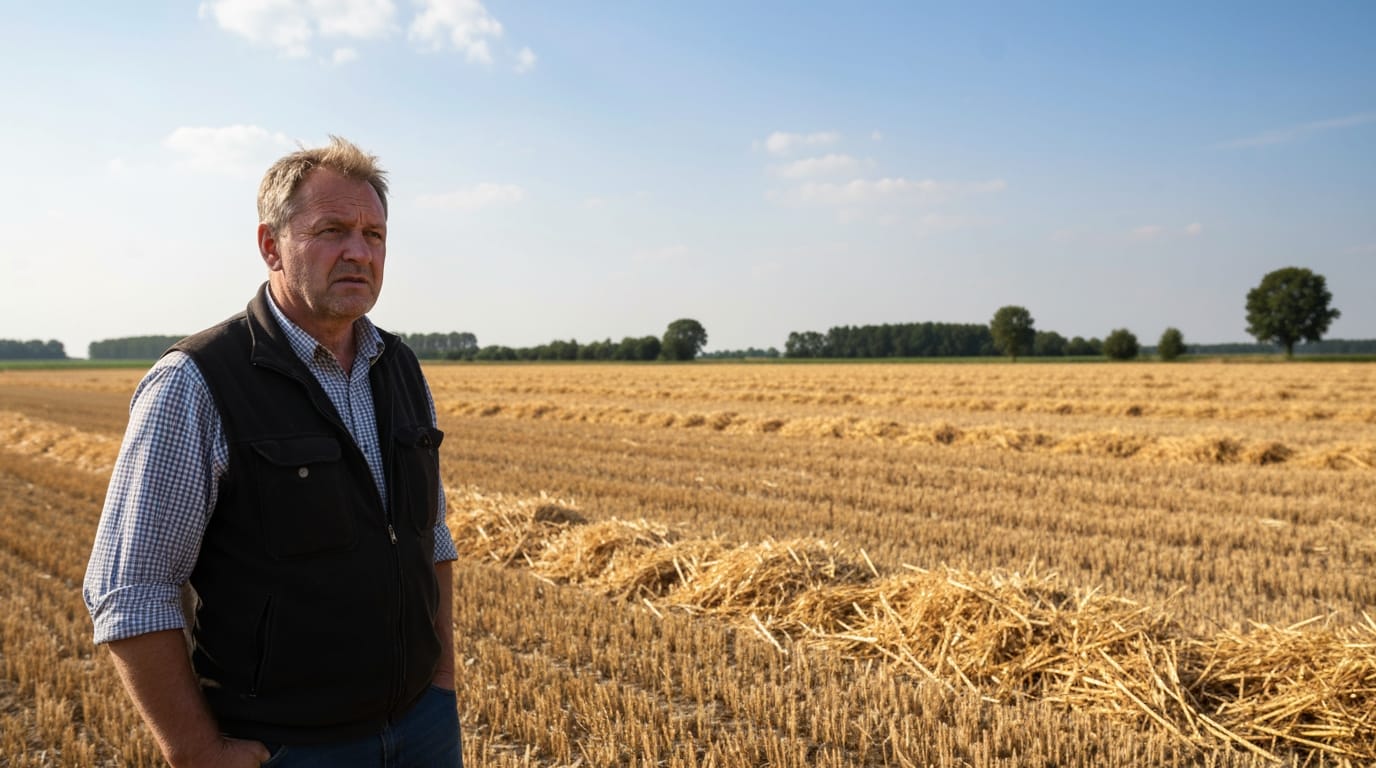
BERLIN, Germany – German agriculture is grappling with a profound paradox: despite consumers facing persistently high food prices, many of the nation's farms are struggling to stay afloat, reporting significant financial losses. This unsettling disconnect highlights a complex web of economic, environmental, and regulatory pressures threatening the stability of Germany's vital farming sector and raising broader concerns about national food security. The crisis, characterized by plummeting farmer earnings and widespread discontent, suggests that the increased costs burdening consumers are not translating into prosperity for those who cultivate the land.
A Contradiction in Terms: High Prices, Low Profits
The financial health of German farms has deteriorated sharply, with average earnings plummeting by 29% to approximately €77,500 for the 2023/24 financial year. This stark decline signifies widespread financial distress across nearly all agricultural sectors, with only pig farming showing a marginal profit increase during the same period. Agricultural President Joachim Rukwied of the German Farmers' Association has described the current state as a "stuttering engine," emphasizing the pervasive difficulties within the industry. Farmers observe a critical imbalance where the rising prices paid by consumers in supermarkets often fail to translate into sustainable farm-gate prices, creating a growing wedge between producer costs and retail value. This creates a challenging economic landscape, where production costs are consistently outpacing the prices farmers receive for their goods.
The Perfect Storm: Soaring Costs and Climate Chaos
The primary drivers behind the agricultural sector's financial woes are a confluence of skyrocketing input costs and the increasingly severe impacts of climate change. Farmers are battling dramatically higher expenses for essential resources, including energy, crop protection, and fertilizers. For instance, energy and fuel prices have seen significant surges, with fuels up 17.4% year-on-year, heating oil up 44.6%, and natural gas up 53.4% in previous periods. These escalating operational costs erode profit margins, making it challenging for farms to remain viable.
Simultaneously, climate change has emerged as a formidable adversary. The unpredictability of weather patterns has led to more frequent extreme events, such as prolonged dry spells, intense heat waves, and excessive rainfall, all of which directly impact crop yields and livestock. Agriculture Minister Cem Özdemir has noted that the climate crisis is increasing the frequency and duration of extreme weather events, making production more difficult and jeopardizing harvests. In 2024, Germany's grain harvest, for example, reached only 39.3 million tonnes, a continuation of a decade-long decline and a "sobering result" attributed largely to adverse weather conditions. Beyond direct yield losses, changing climate patterns also contribute to new pest challenges and alter growing seasons, forcing farmers to adapt rapidly or face financial ruin.
Adding to the burden is a persistent shortage of both seasonal and skilled labor. Germany's agricultural sector traditionally relies on seasonal workers, often from Eastern Europe, for labor-intensive tasks like harvesting. However, improved economic conditions in countries like Romania and Poland have reduced the incentive for workers to seek short-term agricultural jobs in Germany. Furthermore, the introduction of minimum wages in agriculture has led some farmers to mechanize operations, while others still struggle to find sufficient staff. The broader shortage of skilled workers across various "green professions" poses a considerable long-term challenge, with an estimated 116,000 workers missing in the agricultural sector, representing nearly a quarter of Germany's total skilled labor gap.
Regulatory Burden and Market Realities
German farmers also face increasing regulatory pressures, particularly those aimed at environmental protection and animal welfare. Regulations restricting the use of fertilizers and pesticides, or requiring farmers to set aside a percentage of arable land for species protection, are often viewed as adding significant costs and administrative burdens without adequate financial compensation. While acknowledging the importance of sustainability, farmers argue that these mandates can hinder traditional farming practices and reduce efficiency. Compliance with stricter animal welfare standards, for instance, often necessitates substantial investments in facility upgrades, further straining farm finances. These regulations, intended to foster a more sustainable agricultural system, paradoxically contribute to the economic instability of many farms.
Market dynamics further complicate the situation. The disconnection between farm-gate prices and retail prices means that farmers often do not benefit from the higher food prices consumers pay. Fluctuating commodity prices, combined with increased competition from international markets, reduce the bargaining power of domestic producers. Specific sectors, such as the wine industry, have experienced severe crises due to a combination of declining output, persistent low prices for bulk wine, and weak domestic demand, exacerbated by international trade barriers. This market volatility makes long-term planning and investment extremely difficult for farmers.
Government subsidies, while substantial, are also a point of contention. The European Union's Common Agricultural Policy (CAP) provides approximately 6.2 billion euros annually to Germany, with funds divided into direct payments and specific funding programs. However, farmers have protested recent cuts to national subsidies, such as the gradual phasing out of tax breaks on diesel fuel, which they argue threaten their livelihoods. There is a perception among many farmers that current subsidy structures may disproportionately benefit larger landowners or are overly bureaucratic, failing to adequately support smaller, family-run operations or those most impacted by rising costs and regulations.
The Human Cost and Future of German Agriculture
The cumulative effect of these challenges is taking a significant toll on German farmers. Many express profound frustration and a sense that their traditional way of life and economic existence are under threat. The financial strain and uncertainty contribute to a climate of anxiety, with some contemplating reducing cultivated areas or exiting the industry altogether. The number of agricultural companies in Germany fell by 36,000 between 2010 and 2020, leaving just under 263,000 at the end of the decade, indicating a trend of consolidation and closure.
The struggles of Germany's agricultural sector carry significant implications for national food security. A decline in domestic production capacities could increase reliance on imports, potentially exposing the country to greater global supply chain vulnerabilities and price fluctuations. Policymakers are increasingly recognizing the need to balance environmental goals with the economic viability of farms to ensure a resilient and diversified agricultural sector.
Calls for change from the farming community are urgent and widespread. Farmers demand more stable planning frameworks, reliable financial compensation for environmental services, streamlined regulations, and greater recognition of their role in providing local food. Initiatives like promoting precision agriculture and investing in climate-resilient farming practices are seen as crucial. The German government has responded with relief packages aimed at cost reduction and strengthening competitiveness, though these have been met with mixed reactions from farming associations, who argue they do not go far enough.
Navigating a Crossroads
Germany's agricultural sector stands at a critical juncture. The current scenario, where high food prices coexist with failing farms, underscores the complex and often competing demands placed upon modern agriculture. Addressing this paradox requires a comprehensive and integrated approach that carefully balances economic viability for farmers, stringent environmental protection, and the long-term food security interests of the nation. Without significant policy adjustments and a renewed commitment to supporting its farming community, Germany risks further erosion of its agricultural base and increased challenges in feeding its population sustainably. The path forward demands innovative solutions and a collaborative spirit to navigate these multifaceted challenges and cultivate a more resilient and equitable future for German agriculture.


