German Folk Icon Heino Files Lawsuit Against Far-Right AfD for Unauthorized Campaign Use
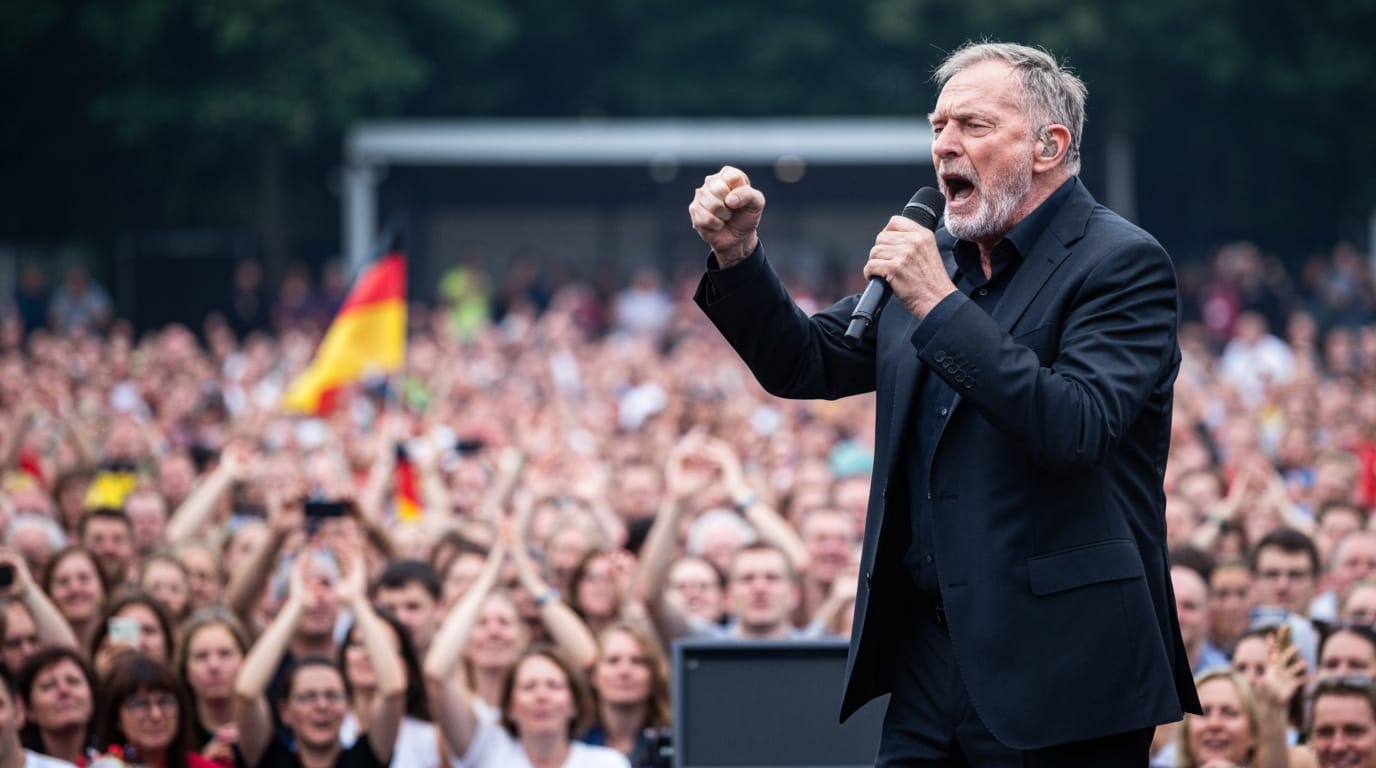
In a surprising turn of events reverberating through Germany's cultural and political landscape, legendary folk singer Heino, known for his distinctive baritone and traditional image, has initiated legal proceedings against the far-right Alternative for Germany (AfD) party. The 87-year-old artist is seeking a significant sum in damages and a cease-and-desist order after an AfD candidate allegedly used his name and likeness without permission in an election campaign. This decisive action underscores a growing pushback from public figures against political instrumentalization, particularly from parties whose ideologies they do not endorse.
The Legal Offensive: A Firm Rejection of Political Appropriation
The legal dispute centers on an incident in April 2026, when Felix Teichner, an AfD district council candidate in Uckermark, Brandenburg, utilized Heino's image and a reference to his famous song "Blau blüht der Enzian" (Blue Blooms the Gentian) in a social media post. The post, which featured Teichner with sunglasses and a German flag, asserted, "On Sunday, Heino would vote for Felix!". Heino, whose real name is Heinz Georg Kramm, reportedly learned of the campaign tactic on a Friday evening and promptly engaged his legal team. He described the unauthorized use as an "outrage" and launched immediate legal steps through his lawyer, Dirk Strohmenger.
Heino is demanding 250,000 Euros in compensation for the infringement of his personal rights and a legally binding declaration that prevents future unauthorized use of his name and works. His manager explicitly clarified the singer's stance, emphasizing that Heino rejects any form of political instrumentalization and would not vote for the AfD, even if he were able to. This strong statement serves as a clear delineation of his personal boundaries and a powerful rejection of the party's unsolicited association.
A Traditional Icon's Unexpected Stand
Heino has enjoyed a career spanning over six decades, cementing his status as one of Germany's most recognizable musical figures. His distinct voice, often accompanied by his trademark dark sunglasses and blonde wig, has made him an enduring symbol of traditional German folk and popular music. Throughout his lengthy career, his public persona and musical repertoire have sometimes been associated with conservative or even nationalistic leanings. For instance, in the 1970s, he recorded a version of the German national anthem that included all three verses, a move considered controversial due to the historical context of the second, nationalistic verse. He also performed "Schwarzbraun ist die Haselnuss," a folk song popularized by the Hitler Youth and Wehrmacht soldiers. These past associations have led some critics to question his political alignment or to suggest a connection to right-wing sympathies.
Given this history, Heino's unequivocal legal action against the AfD is particularly striking. It signals a clear separation from a party often criticized for its own nationalistic rhetoric and sometimes extreme positions. His manager's statement that Heino would have reacted similarly to any political party attempting such instrumentalization further reinforces his desire for political neutrality, despite perceptions of his traditional image. This latest move highlights the complexity of public perception versus an individual's explicit political stance.
The AfD's Campaign Tactics and Repercussions
The AfD, which has seen a surge in support in recent years, particularly in eastern German states like Brandenburg, frequently employs campaign strategies that aim to tap into a sense of national pride and tradition. The unauthorized use of a beloved, traditionally German figure like Heino aligns with this approach, seeking to garner legitimacy and appeal to a broader, more established conservative voter base. Felix Teichner, the AfD candidate at the center of the controversy, initially defended his actions, claiming to be a fan of Heino and stating that his post used the subjunctive mood ("Heino would vote for Felix!"). However, faced with legal repercussions, Teichner has since deleted the contentious social media post and has indicated a willingness to engage in dialogue with Heino.
The incident comes at a time when the AfD is increasingly under scrutiny. Germany's domestic intelligence service recently designated parts of the AfD as extremist, granting authorities increased powers to monitor the party. While this particular case is not directly linked to the extremism classification, it illustrates the ongoing challenges and controversies surrounding the AfD's public image and campaign practices.
Broader Implications for Public Figures and Political Discourse
Heino's lawsuit sends a potent message regarding the rights of public figures to control their image and prevent unsolicited political endorsements. It underscores the ethical boundaries that political parties are expected to observe, particularly in an era where social media allows for rapid and widespread dissemination of campaign material, sometimes blurring the lines between genuine support and opportunistic appropriation. The case could set a precedent for how public figures in Germany, and potentially elsewhere, can defend themselves against unwanted political associations.
The incident also contributes to a broader national conversation about the role of celebrities in politics and the extent to which their cultural influence can be leveraged or manipulated. For many, Heino's clear rejection of the AfD serves as a reminder that cultural icons, regardless of their perceived affiliations, maintain their autonomy and can choose to speak out against political movements they do not support. This act of drawing a firm line is particularly impactful given Heino's significant and long-standing presence in German popular culture.
Conclusion: A Clear Boundary Drawn
Heino's legal challenge against the AfD represents more than just a dispute over image rights; it is a significant statement from a long-revered cultural figure. By unequivocally rejecting the unauthorized use of his name and works for political campaigning, Heino has drawn a clear boundary, affirming his political independence and condemning instrumentalization by the far-right. This action not only safeguards his personal and artistic integrity but also highlights the critical importance of consent and respect in the intersection of culture and politics, resonating deeply within Germany's current dynamic political landscape. The outcome of this legal battle will undoubtedly be watched closely, potentially shaping future interactions between public figures and political parties in Germany.


