German Football Association Maintains Stance Against World Cup Boycotts, Prioritizing Dialogue Over Isolation
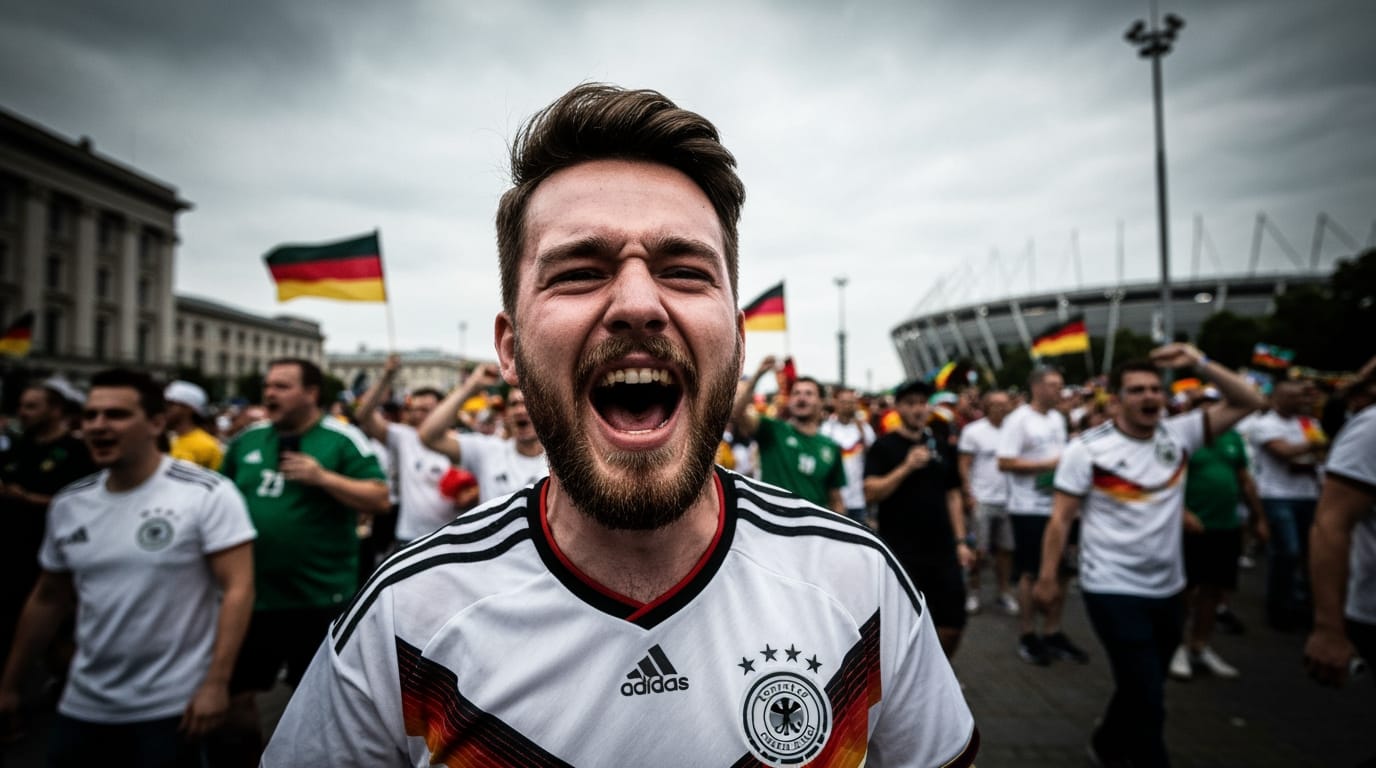
Frankfurt, Germany – The German Football Association (DFB) has consistently articulated a principled stand against boycotting major international tournaments like the FIFA World Cup, asserting that such actions are often "misguided" and less effective than active engagement and dialogue. This philosophy has guided the DFB's approach to complex ethical dilemmas surrounding host nations, most notably during the highly contentious 2022 World Cup in Qatar and now resurfacing in discussions regarding the 2026 tournament in North America.
The DFB's stance centers on the belief that participation provides a more impactful platform for change and the promotion of human rights than abstention. While facing intense pressure from fans and human rights organizations, the association has opted to leverage its influence from within, seeking to foster improvements through direct engagement rather than isolating itself from the global sporting stage.
The Qatar 2022 Precedent: Engagement Amidst Scrutiny
The decision to award the 2022 FIFA World Cup to Qatar ignited a global firestorm of criticism, primarily focused on the host nation's human rights record. Concerns mounted over the treatment of migrant workers involved in stadium construction, with reports detailing harsh labor conditions and numerous fatalities. Additionally, Qatar's laws criminalizing homosexuality and restricting freedom of expression drew widespread condemnation from international bodies and advocacy groups.
Despite these grave concerns, the DFB, alongside other major European football associations, formally ruled out a boycott of the tournament. The Presidential Board of the DFB adopted a "DFB Position on the 2022 FIFA World Cup Qatar," explicitly stating their conviction that "sport can build bridges across political, religious, and cultural boundaries and create the basis for improvement." The association declared that it did not consider abstaining from participation productive, citing its commitment to internationally recognized human rights as enshrined in its statutes.
This position was not without internal dissent or public outcry. Numerous German fan groups actively called for a boycott, displaying banners in stadiums that criticized Qatar's human rights abuses, its impact on climate, and its stance on LGBTQ+ rights. Yet, the DFB maintained that dialogue and direct influence were the more pragmatic paths to achieving tangible improvements.
Advocating for Change: Actions on the Ground
Instead of a boycott, the German national team and the DFB engaged in various forms of protest and advocacy during the Qatar World Cup. Prior to the tournament, German players wore shirts bearing the message "HUMAN RIGHTS" during World Cup qualifiers, a clear statement in support of migrant workers. During the tournament itself, the German team famously posed with their hands over their mouths before their opening match against Japan. This gesture was a protest against FIFA's threat of sanctions for wearing the "OneLove" armband, which symbolized diversity and inclusion and was seen as a direct challenge to Qatar's anti-LGBTQ+ laws.
DFB officials emphasized that such actions, along with ongoing dialogue with FIFA, Qatari authorities, and human rights organizations, were intended to keep the spotlight on the issues and push for reforms. They believed that withdrawing would remove any leverage they had, leaving workers and vulnerable communities without an advocate from within the football ecosystem. The DFB's Human Rights Policy, developed in collaboration with stakeholders including NGOs and trade unions, outlines their commitment to respecting human rights in the context of international matches and tournaments.
A New Debate for 2026: Political Tensions with the Host
More recently, the concept of a World Cup boycott has re-emerged, this time concerning the 2026 tournament to be co-hosted by the United States, Canada, and Mexico. However, the impetus for this discussion stems from a different set of political circumstances. Oke Göttlich, a vice-president of the German FA and president of Bundesliga club St. Pauli, has publicly called for a serious discussion about a potential boycott of the 2026 World Cup.
Göttlich's call is primarily motivated by escalating political tensions between the United States and European nations, specifically citing recent actions by U.S. President Donald Trump regarding Greenland and threats of tariffs against European countries. Göttlich compared the current situation to the boycotts of the 1980 Olympic Games, arguing that the "potential threat is greater now than it was then" and that football organizations cannot ignore political and humanitarian issues. He has challenged the notion of separating sport from politics, a sentiment echoed by many critical of FIFA's choices of host nations.
This new discussion highlights the evolving nature of political pressures on football federations. While the DFB formally maintained that boycotting Qatar 2022 was misguided in terms of its efficacy for human rights, the debate around 2026 introduces geopolitical considerations as a potential trigger for such an extreme measure. It underscores a growing sentiment within parts of German football that "taboos and boundaries" must be defended, and that sport has a responsibility beyond the field.
Conclusion: The Enduring Challenge of Sport and Ethics
The German Football Association navigates a complex landscape where the pursuit of sporting excellence intersects with profound ethical and political considerations. While its official position on the Qatar 2022 World Cup clearly articulated that a boycott would be "misguided," favoring engagement and direct advocacy to promote human rights, the ongoing discussions for the 2026 tournament indicate a continuous re-evaluation of this philosophy.
The DFB's consistent approach has been to use its participation as a tool for influence and a platform for expressing core values, rather than retreating from the international stage. Yet, the recent calls for boycotting future tournaments, albeit from a vice-president rather than the official board, signal a persistent tension within German football over the most effective way to address host nations' controversies. This ongoing debate reflects the broader challenge facing global sports organizations: how to balance the universal appeal of sport with the imperative to uphold human rights and democratic values in an increasingly complex world.