World Cup Dreams Dim for Jordanian Fans as US Visa Hurdles Loom
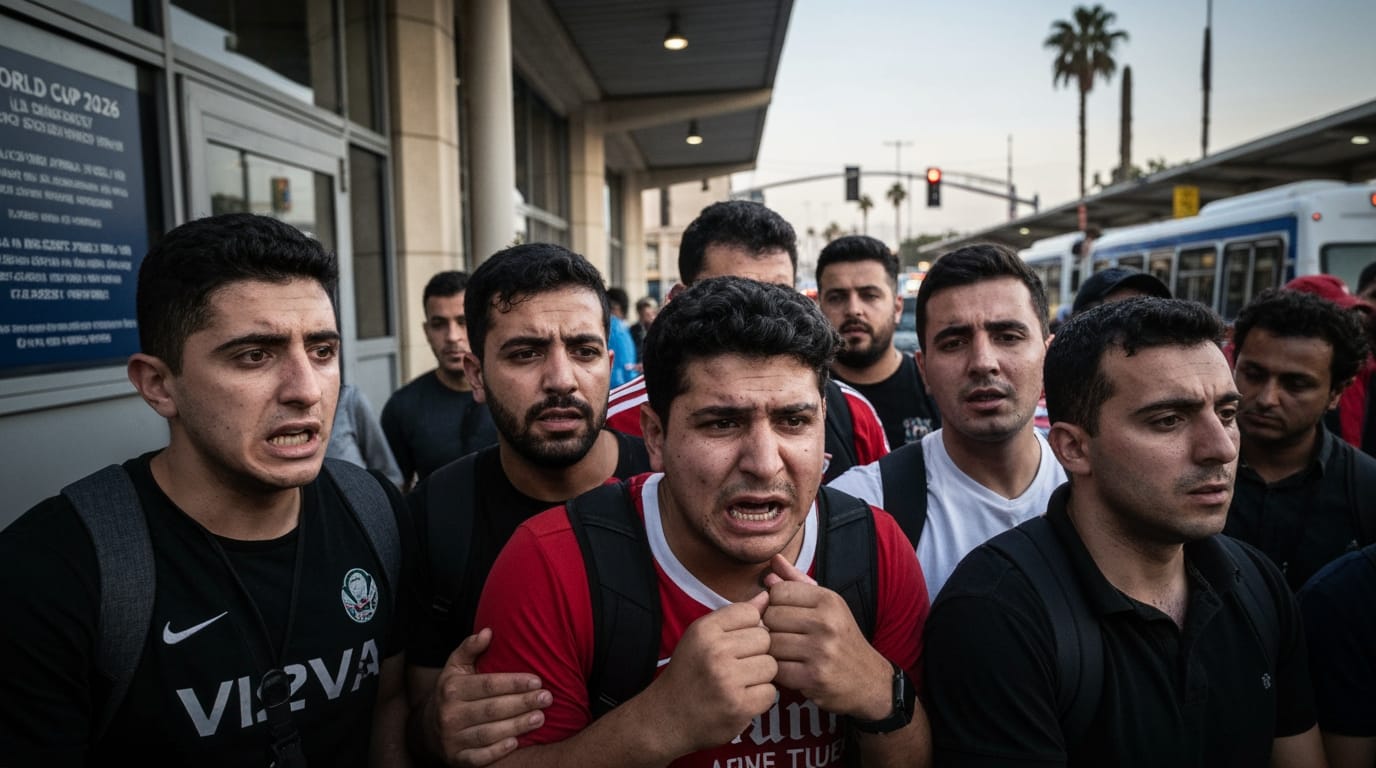
Amman, Jordan - The palpable excitement for the 2026 FIFA World Cup, set to be co-hosted by the United States, Canada, and Mexico, is increasingly overshadowed for many global football enthusiasts, particularly those in Jordan, by the formidable challenge of securing a U.S. visa. What promises to be an unprecedented global spectacle is, for a significant segment of the international fan base, becoming a distant dream due to complex, costly, and often uncertain entry requirements.
For Jordanian football supporters, the prospect of cheering on their national team, or simply witnessing the world's most prestigious football tournament live, is met with a harsh reality: navigating the intricate and often frustrating U.S. visa application process. The enthusiasm that typically surrounds such a monumental event is tempered by a growing sense of apprehension and the distinct possibility of being denied entry despite holding valid match tickets.
The Allure of the Global Stage Meets Stringent Realities
The FIFA World Cup is more than just a series of football matches; it is a global festival that draws millions from every corner of the planet. For fans in nations like Jordan, whose connection to football runs deep, the opportunity to attend is a once-in-a-lifetime aspiration. Yet, the host nation, the United States, operates under an immigration system designed with stringent security protocols that inherently clash with the open, celebratory spirit of a global sporting event.
While FIFA anticipates millions of visitors, potentially between five and ten million, the U.S. State Department has made it unequivocally clear that a World Cup ticket does not guarantee entry into the country. Secretary of State Marco Rubio emphasized, "Your ticket is not a visa. It doesn't guarantee admission to the US." This statement underscores the fundamental hurdle facing international spectators, who must qualify for a B1/B2 visitor visa like any other tourist.
Navigating the Visa Labyrinth: Cost, Complexity, and Uncertainty
The process for obtaining a U.S. visitor visa (B1/B2) for non-Visa Waiver Program countries, which includes Jordan, is multi-faceted and demanding. It typically involves completing the online DS-160 application form, paying a non-refundable application fee (currently $185, though subject to change), scheduling an interview at a U.S. embassy or consulate, and attending that interview with a plethora of supporting documentation. Required documents often include a valid passport with at least six months of validity beyond the intended stay, evidence of sufficient funds to cover the trip, proof of ties to the home country (such as employment, property, or family), a detailed travel itinerary including match tickets, confirmed accommodation arrangements, and round-trip transportation bookings.
To address the anticipated surge in applications, the U.S. Department of State, in conjunction with FIFA, has introduced the "FIFA Priority Appointment Scheduling System (FIFA PASS)." This system allows World Cup ticket holders who purchased directly from FIFA to opt-in for the chance to schedule an expedited visa interview appointment. While FIFA PASS aims to streamline the interview scheduling process, officials have explicitly stated it does not guarantee visa approval. "Scheduling an interview appointment via FIFA PASS does not guarantee that my visa will be approved," states the U.S. Department of State. "Like all visa applicants, ticket holders must undergo thorough screening and must demonstrate they qualify for a visa." This distinction is critical, as many fans might mistakenly believe that an expedited interview translates to an assured visa.
Furthermore, additional reciprocity fees may apply depending on nationality, potentially adding hundreds of dollars to the total cost. Visa validity periods also vary significantly; some nationalities receive visas valid for only three months and a single entry, while others may receive ten-year, multiple-entry visas. Given these complexities and the expected high demand, experts recommend that fans from non-Visa Waiver Program countries begin their application process 6-9 months before their intended travel dates to account for potential delays.
A Climate of Apprehension and Disappointment
Beyond the procedural hurdles, a broader climate of heightened immigration enforcement and policy shifts in the U.S. contributes to the anxiety among international fans. While the recent indefinite freeze on immigrant visa processing for individuals from 75 countries does not directly apply to nonimmigrant tourist visas, its existence creates an impression of unwelcomeness and stricter scrutiny. Jordan is listed among the countries whose citizens could face complications, though primarily concerning immigrant visas, the underlying sentiment of increased travel restrictions contributes to a challenging environment for all types of visa applicants.
Reports indicate that citizens from regions including the Middle East, Central and South America, and Africa are likely to face particular difficulties in obtaining U.S. visas. The overall U.S. immigration attitude has shifted, according to some analyses, from welcoming to suspicious, with inbound tourists potentially subject to examination of their social media history, leading to significant delays and questioning by U.S. homeland security officials. This perception of stringent vetting and potential for arbitrary denial fosters disappointment and can deter fans, like an Australian fan mentioned in a report who decided against attending due to concerns over U.S. immigration enforcement.
This situation is not unique to Jordan. Other nations, including those qualified for the World Cup such as Iran, Haiti, Senegal, and Ivory Coast, also face substantial challenges, with some having suspended tourist visa issuances altogether. These circumstances raise questions about the fairness and accessibility of the World Cup for a truly global audience.
Broader Implications for Global Sport and Tourism
The difficulties faced by fans like those in Jordan have wider implications for the 2026 World Cup's international character and its potential economic impact. While athletes, coaches, officials, and essential support personnel have generally been granted exemptions from visa bans for internationally sanctioned sporting events, this carve-out does not extend to the millions of spectators whose presence is vital to the atmosphere and financial success of the tournament.
Tourism experts and industry leaders have voiced concerns that the U.S.'s restrictive immigration policies could jeopardize the anticipated economic boon from the World Cup. The U.S. has experienced a decline in international travel, and policies such as new visa fees and proposed requirements for social media histories are seen as deterrents. This situation could lead to a "more muted lift to the U.S. economy than initially promised by FIFA and the Trump administration," with some experts skeptical that the tournament will deliver the projected $30.5 billion economic activity.
Ultimately, the enthusiasm of fans in Jordan and other nations for the 2026 FIFA World Cup is a testament to the universal appeal of football. However, the existing U.S. visa framework presents a significant barrier, transforming a global celebration into a logistical and financial gauntlet for many. The challenge for the United States, as a host nation, lies in reconciling its national security imperatives with the spirit of international sportsmanship and hospitality, ensuring that the "beautiful game" remains accessible to all who wish to be a part of it.