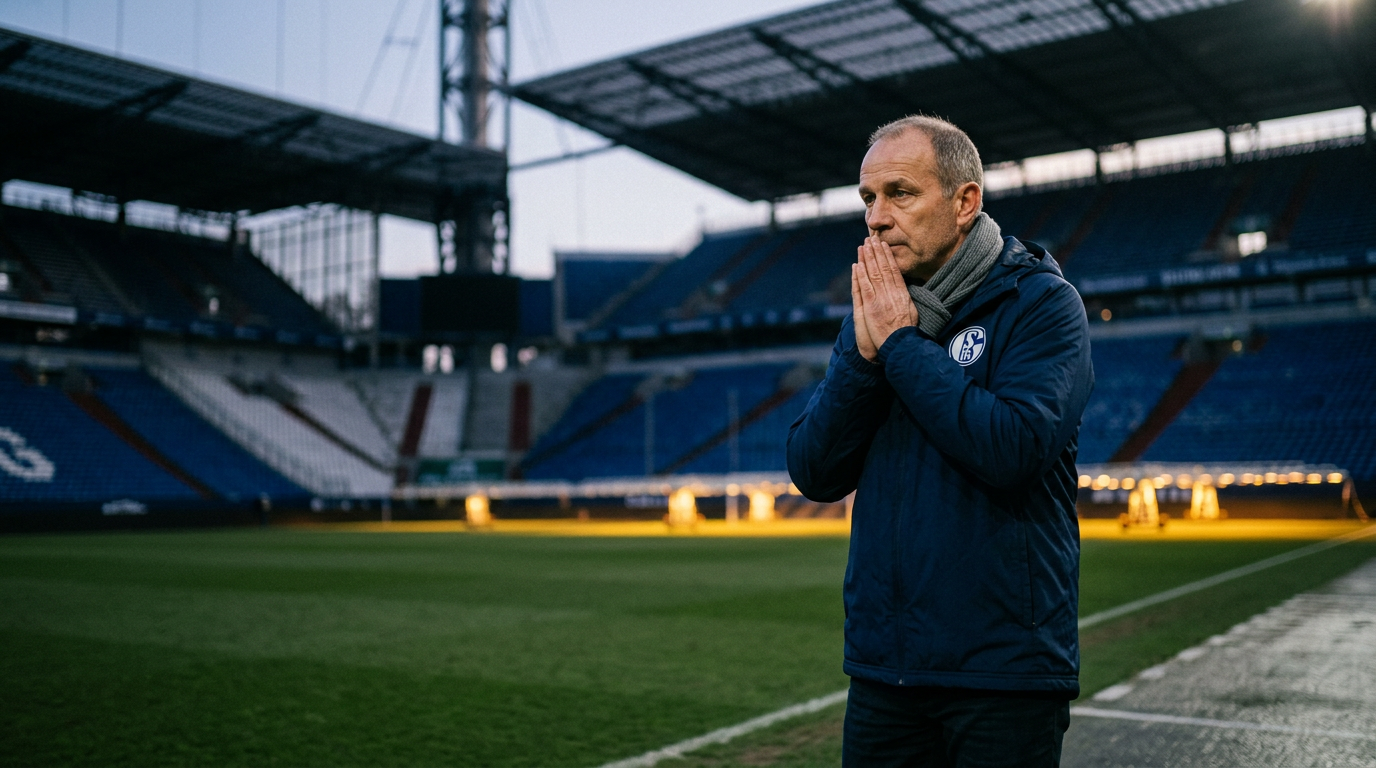
German Football Rises Against FIFA's $20 Billion World Cup Commercialization Plan


BERLIN – A high-stakes battle is brewing at the heart of global football, as Germany and other leading European football powers are vehemently opposing FIFA's ambitious plan to sell a significant minority stake in the commercial rights of its marquee tournaments, including the prestigious World Cup. The proposed deal, valued at an estimated $20 billion, has ignited a fierce backlash, with critics accusing the sport's governing body of attempting to commercialize the very "soul of football" in a move that could fundamentally reshape its future.
The controversy stems from FIFA's recent announcement regarding the creation of a new commercial entity, provisionally named FIFA Forward Enterprise (FFE). Under the proposal, FIFA intends to transfer the commercial rights for its major competitions – spanning broadcasting, sponsorship, licensing, merchandising, and hospitality – to this new subsidiary. While FIFA would retain majority ownership and control, it plans to sell a minority stake, reportedly up to 20%, to private investors. The stated aim is to raise billions in capital, with FIFA President Gianni Infantino asserting these funds would "democratize football worldwide" by bolstering development programs for its 211 member associations.
The Commercialization Gambit and FIFA's Vision
FIFA's leadership posits the FFE as a transformative initiative designed to unlock new revenue streams and ensure the sport's global development. The organization claims that offering minority interests to private investors could initially raise approximately $4.2 billion, with projections suggesting an overall funding package of $10 billion. These funds are earmarked for distribution to national federations, ostensibly for infrastructure development, coaching, national teams, and grassroots football. FIFA has indicated that it would remain the sole controlling entity of the FFE, maintaining "exclusive authority" over its competitions, governance, and all regulatory and sporting decisions.
The proposal follows a record-breaking 2026 men's World Cup, which generated over $15 billion in revenue for FIFA, significantly exceeding previous projections. This financial success appears to have emboldened Infantino to seek further avenues for monetization, aiming to capitalize on football's burgeoning global popularity. The initiative outlines a significant financial incentive for member associations: an initial payment of $20 million each upon approval by September 19, with the potential for access to up to $40 million during the 2027-30 cycle if the plan is accepted.
European Football's Unified Front Against the "Sell-Off"
Despite FIFA's assurances and financial enticements, the proposition has been met with a chorus of condemnation from European football. The German Football Association (DFB), a powerful voice in the sport, has emerged as a leading opponent. Hans-Joachim Watzke, Vice-President of the DFB and a member of the UEFA Executive Committee, characterized FIFA's plans as an "outright attack on football" and declared that "a line has been crossed." Watzke emphasized a broad consensus among European member federations on this point, highlighting the significant weight that a united European stance would carry. Max Eberl, Sporting Director of Bayern Munich, echoed these sentiments, calling the proposal "shameful" and suggesting it reveals FIFA's priorities to be singularly focused on profit.
The Union of European Football Associations (UEFA) has been equally vocal in its dissent. The continent's governing body released a strongly worded statement accusing FIFA of "attempting to sell the soul of football" and asserting that "the World Cup is not FIFA's to sell." UEFA has reportedly considered its legal options and even the extreme measure of a boycott of future World Cups, signaling the depth of its concern. Critics from Europe point to fears of increased commercialization, potential calendar congestion, and a prioritization of profit over player welfare and sporting integrity. The lack of transparency surrounding the proposal, including the identity of potential financial beneficiaries, has further fueled outrage.
The Price of Approval and Governance Concerns
The substantial financial offers extended to member associations have been widely perceived as a strategic maneuver to secure votes, with some critics labeling them "pure bribery." Javier Tebas, president of Spain's La Liga, criticized the tactic, stating that such development funds should not be used to secure votes or suppress dissent. This approach intensifies the existing power struggle within global football, where FIFA often leverages the votes of its smaller member federations to counter opposition from powerful confederations like UEFA, which, despite generating significant commercial value for the sport, commands only a fraction of FIFA's total votes.
Beyond the financial inducements, underlying governance concerns plague the initiative. The involvement of Thrive Capital, an investment firm co-founded by Joshua Kushner, brother of former U.S. President Donald Trump's son-in-law Jared Kushner, has raised questions about political influence, especially given the timing shortly after the 2026 World Cup co-hosted by the U.S. European sports officials and some within FIFA's own structure have expressed unease about these connections and the potential for a regulatory body to become intertwined with private financial interests. The broader concern is that turning a fundamental aspect of football's commercial operations into an investment asset could compromise FIFA's role as a non-profit governing body.
A Defining Moment for Global Football's Future
The standoff between FIFA's leadership and prominent European football bodies, particularly Germany, represents a pivotal moment for the sport. It highlights a fundamental divergence in philosophy regarding football's purpose and future trajectory. FIFA's vision appears centered on aggressive commercial expansion and centralized revenue generation, with a focus on distributing wealth to a broader global base. Conversely, European critics argue for the preservation of football's cultural and sporting integrity, cautioning against excessive commercialization and the erosion of traditional governance structures.
As the September 19 deadline looms for member associations to approve the proposal, the stakes remain incredibly high. The outcome will not only determine FIFA's financial strategy but also potentially redefine the balance of power within global football and dictate the very nature of its most beloved competition for generations to come. The debate encapsulates a critical question: can football truly serve its global community while simultaneously becoming a high-yield asset for private investors, or will such a transformation inevitably lead to a fracturing of the sport's foundational values?
Related Articles


Bundesliga Kicks Off 2026-27 Season with Newcomers, Familiar Giants, and High Expectations
The German Bundesliga is poised for another season of thrilling football, with the 2026-27 campaign officially commencing on Friday, August 28, 2026. As defending champions Bayern Munich prepare to open their title...

UEFA Ends Boycott Threat as FIFA Assures Against Privatization of Major Tournaments
ZURICH, SWITZERLAND – European football's governing body, UEFA, is poised to withdraw its threat to boycott FIFA competitions, signaling a significant de-escalation in the protracted power struggle between the sport's...