UEFA Ends Boycott Threat as FIFA Assures Against Privatization of Major Tournaments
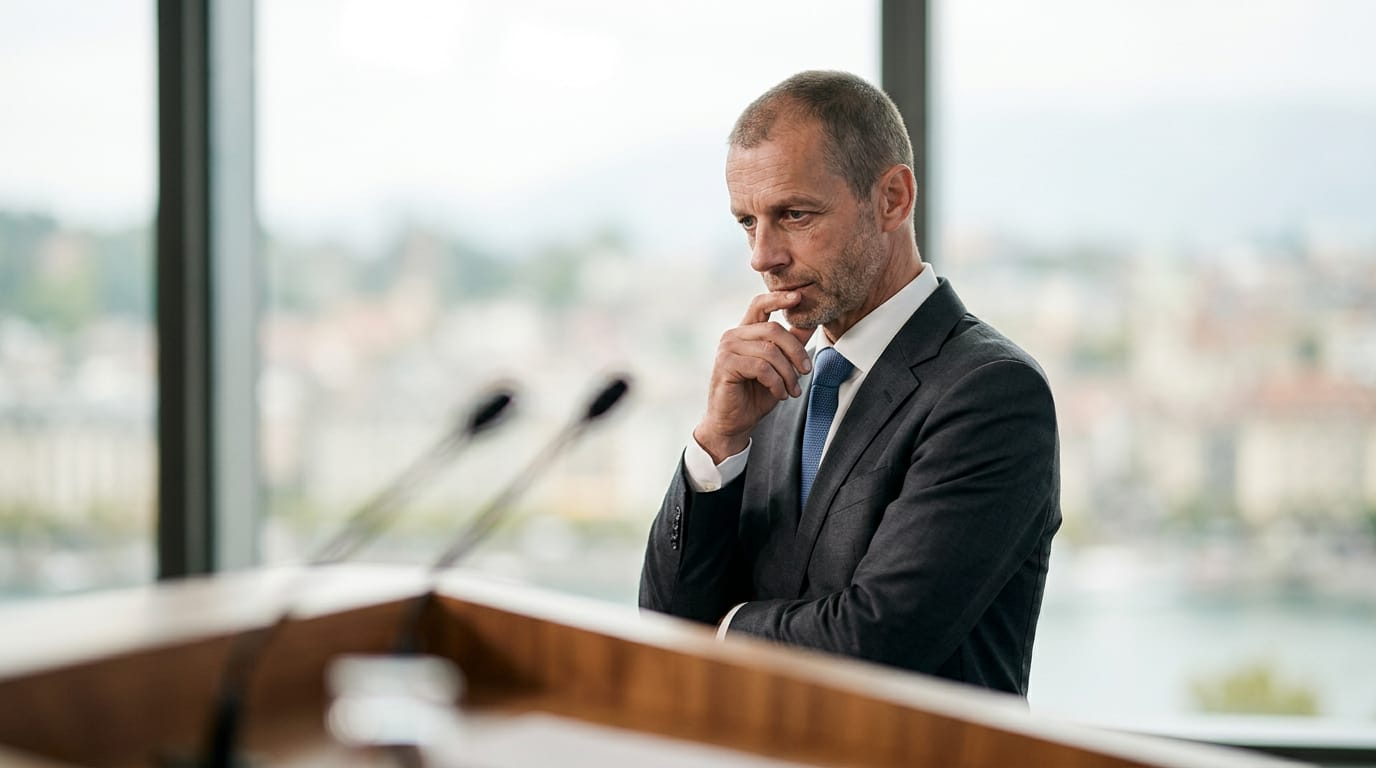
ZURICH, SWITZERLAND – European football's governing body, UEFA, is poised to withdraw its threat to boycott FIFA competitions, signaling a significant de-escalation in the protracted power struggle between the sport's two most influential organizations. The decision comes after FIFA provided what UEFA deems "concrete guarantees" that plans to sell stakes in the World Cup and other major tournaments to private investors will not be revived. This development averts a potentially damaging standoff that threatened to exclude European teams from global events, including the upcoming Under-20 Women's World Cup.
The immediate relief across the football world is palpable, particularly for players and fans, as the specter of Europe's top nations withdrawing from FIFA events loomed large. The resolution represents a crucial, albeit potentially temporary, truce in a period marked by significant disagreements over the future commercial and structural direction of international football.
The Genesis of Discord: FIFA's Commercial Ambitions
The latest confrontation stemmed from FIFA President Gianni Infantino's proposal to establish a commercial entity, known as FIFA Forward Enterprises (FFE). This initiative aimed to oversee the commercial rights of FIFA competitions and allow private investment firms to acquire minority ownership stakes. FIFA argued that such a move would generate substantial new revenue, potentially creating a "solidarity scheme" of $3.5 billion to support less developed football associations globally, increasing funding for member associations significantly. Infantino had previously championed initiatives to expand the game, including a 48-team World Cup and other global tournaments.
However, the proposal met with fierce resistance from UEFA, which represents Europe's powerful football associations and leagues. UEFA viewed the plan as a dangerous step toward commodifying football's most cherished assets. The European body contended that the World Cup and other major tournaments represent a sporting legacy, built over generations by players, national teams, and supporters, which should not be surrendered to private investors. UEFA's leadership, notably President Aleksander Čeferin, articulated "grave concerns" that commercial interests would inevitably dictate decisions on the international calendar, competition formats, and the future of the sport, rather than prioritizing the game's best interests.
In an unequivocal statement issued earlier this year, UEFA and its 55 member associations declared a unanimous rejection of the FFE proposal, threatening that no UEFA national teams would participate in any FIFA competition as long as the plans remained active, or until binding assurances were given against future similar endeavors. This threat underscored the depth of their opposition and the perceived existential risk to the sport's traditional governance model. Several other confederations, including CONCACAF and the Asian Football Confederation (AFC), also voiced solidarity with UEFA's concerns regarding the introduction of private investment.
A Pattern of Power Struggles: The Biennial World Cup Precedent
This is not the first time FIFA and UEFA have found themselves at loggerheads over significant strategic proposals. A prominent precursor to the recent boycott threat was FIFA's controversial push for a biennial World Cup. Spearheaded by FIFA's chief of global football development, Arsène Wenger, the proposal aimed to stage the men's and women's World Cups every two years instead of the traditional four-year cycle.
FIFA argued that a more frequent World Cup would increase global engagement, provide more opportunities for national teams, and generate additional revenue for reinvestment into football development worldwide. President Infantino even drew parallels to annual events like the Super Bowl, suggesting that increased frequency would not diminish the tournament's prestige.
However, the idea faced widespread and vehement opposition, particularly from UEFA and CONMEBOL (South American Football Confederation). Critics cited concerns over player welfare due to an already congested international calendar, the potential devaluation of the World Cup's unique status, and the adverse impact on domestic leagues and continental tournaments like the European Championships and Copa América. UEFA President Čeferin publicly stated that a biennial World Cup was a "no-go for everyone in football" and threatened that European and South American nations would boycott such a tournament. By March 2022, Čeferin expressed confidence that FIFA had abandoned the idea, a sentiment later echoed by reports of Infantino's retreat on the matter due to fierce opposition. This earlier conflict highlighted the significant influence UEFA and its confederational allies wield in shaping the global football landscape.
De-escalation and Delicate Diplomacy
The current resolution regarding the privatization scheme emerged after weeks of private discussions between FIFA and UEFA. These confidential negotiations were critical in navigating the tense standoff. Sources close to the discussions confirmed that FIFA ultimately provided binding assurances that it would not pursue plans to sell stakes in its marquee competitions again.
This commitment directly addressed UEFA's core demand, allowing the European governing body to inform its executive committee and member associations that the conditions for lifting the boycott had been met. The immediate practical outcome is the clear path for European teams, including powerhouses like England, France, and Spain, to participate in the upcoming Under-20 Women's World Cup and other subsequent FIFA tournaments. This avoids a major disruption to international youth football and ensures that young athletes are not caught in the crossfire of administrative disputes.
A Precarious Peace: Lingering Tensions and Future Governance
While the immediate boycott threat has been averted, the underlying tensions between FIFA and UEFA, and more broadly between different footballing factions, are expected to persist. UEFA's leadership has been vocal in its criticism of President Infantino's governance style and specific proposals, with Čeferin reportedly describing the FFE plan as "even worse than the Super League plan." The European body's position that Infantino must be replaced has not changed, and further discussions regarding its stance towards FIFA leadership are anticipated.
The disputes underscore a fundamental debate about the governance of global football: whether the sport's future should be guided by a centralized, global body seeking to maximize commercial opportunities across all confederations, or by a more decentralized model that respects the autonomy and interests of powerful regional entities. This recent development suggests that, for now, the latter perspective has gained ground in protecting the traditional structure of major competitions from external private investment.
The resolution represents a pragmatic step to ensure the continuity of international tournaments, but it is unlikely to signal a complete end to the political maneuvering and strategic disagreements that characterize the relationship between football's two most dominant organizations. The ongoing vigilance of UEFA and the broader football community remains crucial in defining the future trajectory of the world's most popular sport.