German Football Stands: A Mirror Reflecting the Nation's Political Landscape
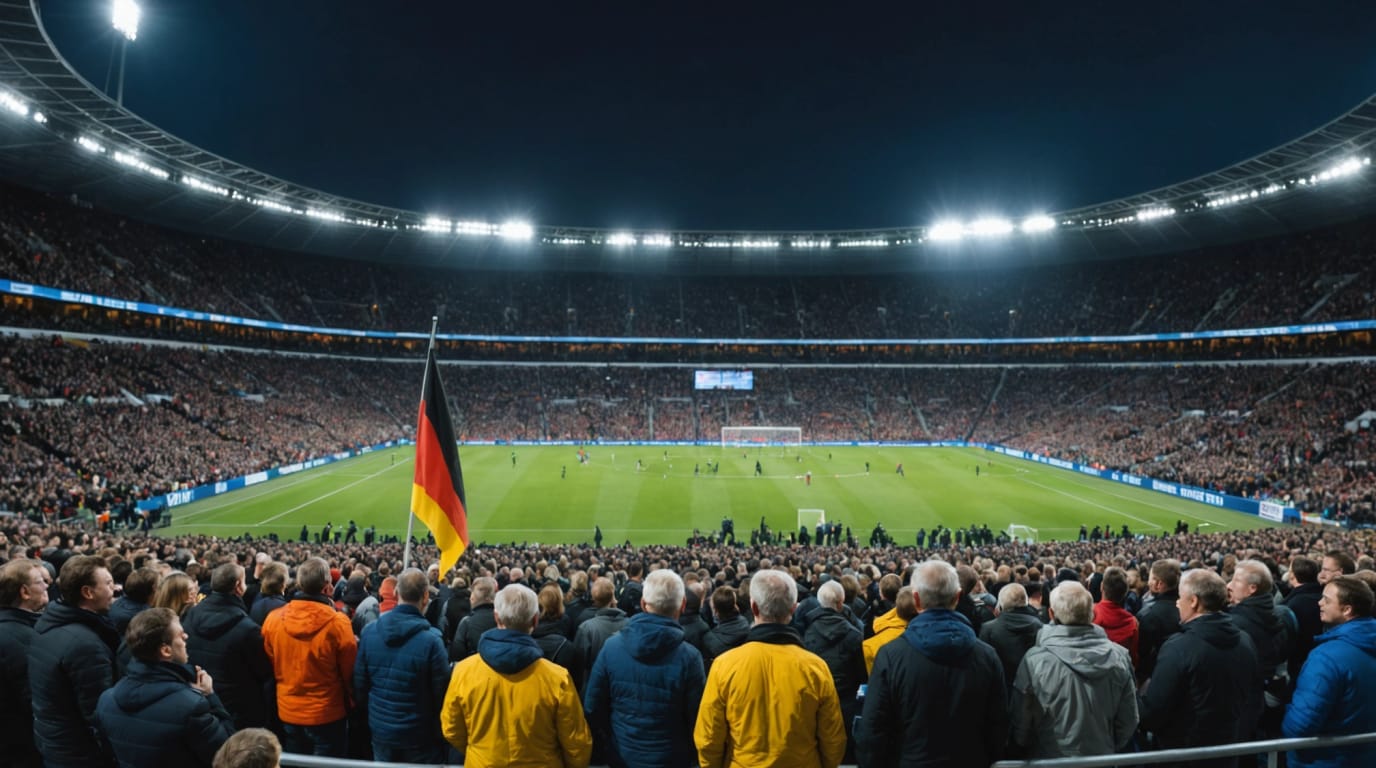
German football, more than just a sport, serves as a vibrant reflection of the country's social and political currents. From anti-racism campaigns to protests against commercialization and the rise of right-wing extremism, the terraces of Bundesliga stadiums have become a stage for expressing diverse viewpoints and engaging in political discourse.
Ultras and Political Activism
The "Ultra" fan groups, known for their unwavering support and elaborate displays, often hold explicitly left-wing political agendas. These groups actively protest against the increasing commercialization of football, rising ticket prices, police surveillance, and other issues they see as detrimental to the sport's integrity and accessibility. Their banners and chants serve as a powerful means of visual and auditory protest, using unconventional and creative language to provoke thought and challenge authority. Football stadiums, in this context, transform into semiotic spaces where fans communicate their ideologies through various forms of expression.
Combating Right-Wing Extremism
While German football has been relatively successful in curbing racist incidents within stadiums compared to other European leagues, the battle against right-wing extremism continues. The German soccer federation is actively targeting racism and discrimination among fans and amateur players, launching campaigns and pilot projects to raise awareness and promote inclusivity. These initiatives encourage fans to participate on social media and implement anti-racist measures in amateur clubs, extending the fight against discrimination beyond the professional level.
However, right-wing extremism remains a concern, particularly in eastern Germany. Some fan groups have been associated with right-wing extremist ideologies, and instances of racist abuse, particularly online, continue to surface. Clubs like Bayern Munich have publicly supported players who have been victims of online attacks.
The Legacy of East German Football
The political divisions within German football are also rooted in the country's history. Following reunification, the dominance of West German clubs in the Bundesliga became apparent, with only a few clubs from the former East Germany managing to compete at the highest level. This disparity has fueled resentment and a sense of marginalization among some fans in the east, creating fertile ground for right-wing ideologies.
During the communist era, football in East Germany was heavily influenced by the state. The secret police, the Stasi, even had its own club, Dynamo Berlin, which was often accused of receiving preferential treatment. This history continues to shape the political landscape of German football, with some eastern clubs struggling to shake off associations with right-wing extremism.
Fan Culture and Club Identity
In Germany, choosing a football club to support is often a matter of identity and ideology. Clubs like FC St. Pauli are known for their left-leaning fan base and strong anti-racist stance, while others, like Borussia Dortmund, have a reputation for working-class support and loyalty. These club identities are often reflected in the political views of their fans and the banners displayed in the stands.
German football clubs often have a wider impact on their local community due to the influence of fans on how clubs are run. Fan groups have worked closely with clubs to create official policies against social issues such as racism, misogyny, homophobia and fascism.
Protests Against Commercialization
Beyond issues of racism and extremism, German football fans have also been vocal in their opposition to the increasing commercialization of the sport. In recent years, there have been widespread protests against the German Football League's (DFL) decision to allow private equity investment in the Bundesliga. Fans view this move as a threat to the traditional fan-owned model and the unique culture of German football.
These protests have taken various forms, including coordinated displays of banners, disruptions of matches, and organized boycotts. The fans argue that the pursuit of profit should not come at the expense of the sport's integrity and accessibility for ordinary supporters. The "50+1 rule," which ensures that club members retain a majority stake in their teams, is seen as a crucial safeguard against excessive commercial influence.
A Continuing Dialogue
The relationship between German politics and football stands is a dynamic and evolving one. As Germany grapples with issues such as immigration, social inequality, and the rise of populism, these debates are inevitably reflected in the stands of its football stadiums. While challenges remain, the active engagement of fans in political discourse and the efforts of clubs and the federation to combat discrimination offer hope for a more inclusive and socially conscious future for German football.
The stands of German football stadiums serve as a microcosm of the nation itself, reflecting its political divisions, social concerns, and ongoing efforts to create a more just and equitable society. The beautiful game, in this context, becomes a powerful platform for dialogue, dissent, and the pursuit of a better future.


