German Foreign Minister Emphasizes Decisive European Unity Amidst Geopolitical Volatility
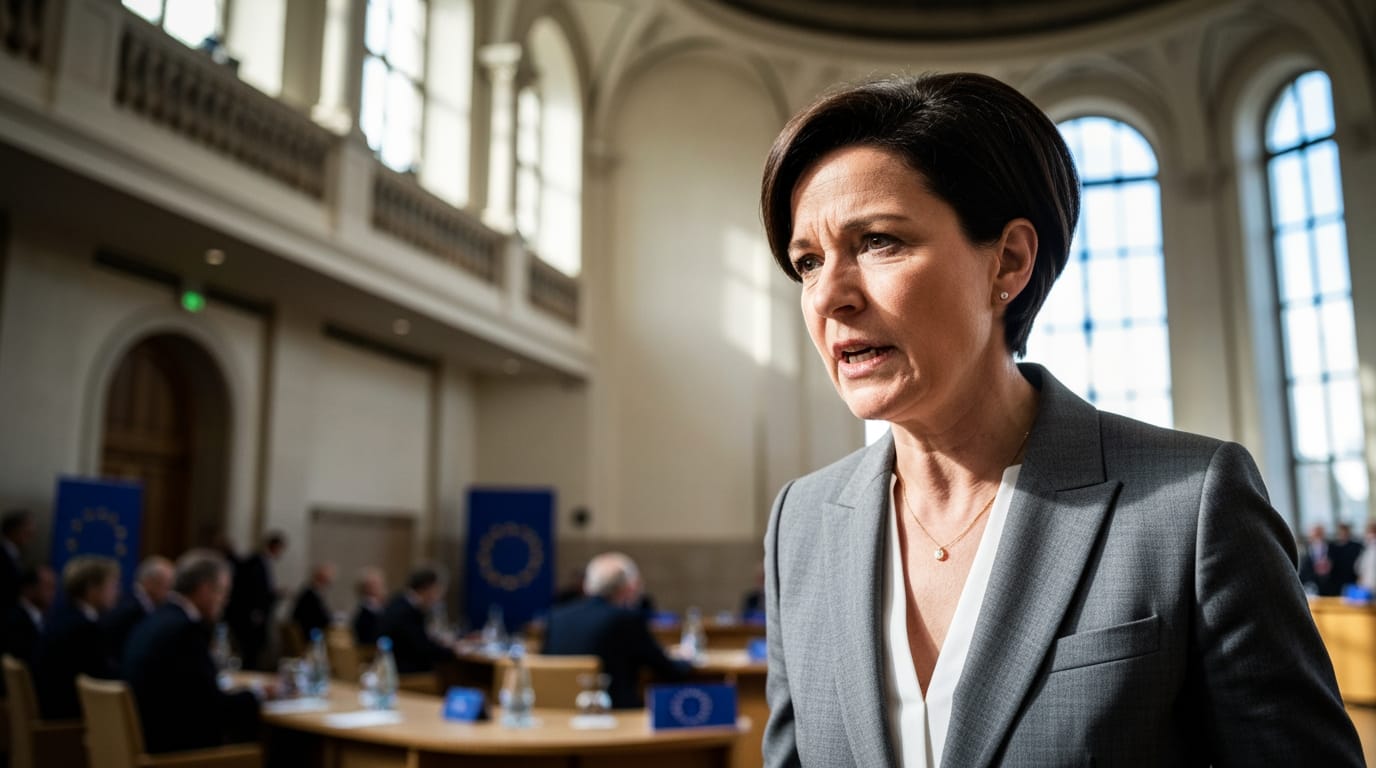
Europe stands at a critical juncture, facing a complex array of internal and external pressures, prompting Germany's top diplomat to underscore the paramount importance of European unity. The call for a cohesive front resonates as the continent grapples with persistent geopolitical instability, economic shifts, and the erosion of democratic norms in various regions. This steadfast commitment to a united Europe, a cornerstone of German foreign policy for decades, is seen as the essential bulwark against fragmentation and a prerequisite for effective action on the global stage.
The Enduring Imperative of a United Europe
Germany's Foreign Minister, Johann Wadephul, has recently articulated that European unity is not merely an aspiration but a decisive necessity in navigating current global challenges. His statements echo the consistent message from German leadership regarding the need for a strong, unified European voice in a world increasingly shaped by competing powers. The ongoing conflict in Ukraine, in particular, serves as a stark reminder of the urgent need for solidarity, with unified European support being crucial for the embattled nation's defense. Former Foreign Minister Annalena Baerbock, in earlier remarks, characterized the European Union as "freedom insurance" for its member states and their populations, emphasizing that collective strength is the only path to sustained freedom and influence. A fragmented Europe, she warned, would inevitably lead to individual nations becoming weaker and more susceptible to external pressures.
Beyond the immediate crisis in Eastern Europe, the continent confronts a landscape of rising authoritarianism, escalating nationalist tensions, and mounting anti-Western sentiments. From economic volatility stemming from the Eurozone crisis to the emergence of powerful external economic actors, Europe's stability and unity face continuous threats. German policy leaders contend that only through a common, robust stance can the European Union effectively address these multifaceted dangers, ensure its security, and maintain its economic prosperity. This perspective reinforces the long-held German view that collective action far outweighs the capabilities of individual member states in an increasingly multipolar world.
A Historical Trajectory Towards Integration
Germany's deep-seated commitment to European integration is historically rooted and deeply embedded in its post-war identity. Following the devastation of World War II, European unity was perceived as a fundamental guarantor of peace, security, and economic recovery, transforming former adversaries into partners. The reunification of Germany in 1990 further solidified this perspective, with figures like former Chancellor Helmut Kohl famously asserting that European integration was a "question of war and peace" and that German unity and European unity represented "two sides of the same coin". This historical memory continues to shape Germany's foreign policy, orienting it towards deeper integration and cooperation within the European framework.
Despite significant hurdles, such as the United Kingdom's departure from the European Union in 2020, Germany has maintained that strengthening and further developing the Union remains a paramount objective. The EU, encompassing 27 member states and approximately 450 million citizens, represents a historic project for Germany, forming the bedrock for its own peace, security, and prosperity. This consistent stance reflects a belief that the prosperity and stability of Germany are inextricably linked to the success and cohesion of the wider European project.
Confronting Internal Divisions and Advocating for Reform
While the external imperative for unity is clear, internal challenges within the European Union frequently test its cohesion. The rise of populist movements, nationalistic agendas, and persistent disagreements among member states pose significant obstacles to unified action. A critical point of contention has been the unanimity principle in EU decision-making, particularly concerning foreign and security policy. Foreign Minister Wadephul has explicitly called for an end to this principle, arguing that it hinders the bloc's ability to act decisively and effectively on the international stage. He warned that the current system is "no longer fit for purpose," especially given the urgency of modern security challenges, citing the ongoing war in Ukraine as a prime example of how policy paralysis can become a matter of "life and death".
Chancellor Friedrich Merz has also signaled a shift in German European policy, prioritizing the ability to take action over strict adherence to unity, even if it means moving forward in smaller formats or, if necessary, against the preferences of some partners. This evolving approach seeks to bypass impasses caused by individual member states, such as Hungary's blockage of a substantial loan to Ukraine, by advocating for decisions based on qualified majority voting. The experiences gained from responding to the Ukraine crisis, including aid packages and sanctions against Russia, highlight the limitations of the unanimity rule and underscore the demand for more agile decision-making processes within the EU.
Balancing Effectiveness with Cohesion in a Dynamic World
The debate over the unanimity principle reflects a broader tension within the EU: how to balance the need for effective, rapid response with the ideal of universal consensus among all member states. Germany's current leadership suggests a lean towards greater effectiveness, recognizing that global crises demand swift and sometimes unconventional responses. This pivot may reshape the traditional dynamics of European diplomacy, including the historic Franco-German axis, as Germany increasingly seeks solutions that prioritize action even if it means acting without complete unanimity.
However, the pursuit of effectiveness is not intended to undermine the foundational values of the Union. Former Foreign Minister Baerbock, while advocating for unity, consistently championed the strengthening of democracy, the rule of law, and human rights across the EU as integral to its collective strength. These internal commitments are viewed as essential for the EU's credibility and its ability to project its values globally. The war in Ukraine has further propelled discussions around fostering "strategic autonomy" and a more "geopolitical Union," highlighting the need for comprehensive strategies in areas such as energy, food security, and refugee protection.
In conclusion, the message from Germany's foreign minister is unequivocal: European unity is indispensable for the continent to navigate its current turbulent reality. While internal debates over decision-making mechanisms persist, the overarching belief remains that a cohesive European Union is the only viable path to securing peace, prosperity, and influence in an increasingly complex world. The ongoing efforts to reform the EU's operational framework reflect a pressing need to ensure that the Union can not only withstand present shocks but also proactively shape its future. The vision of Europe as a community strong and free only when united continues to drive German foreign policy, demanding continuous adaptation and renewed commitment from all its members.


