German Greens Shift to Opposition Amidst Political Realignment
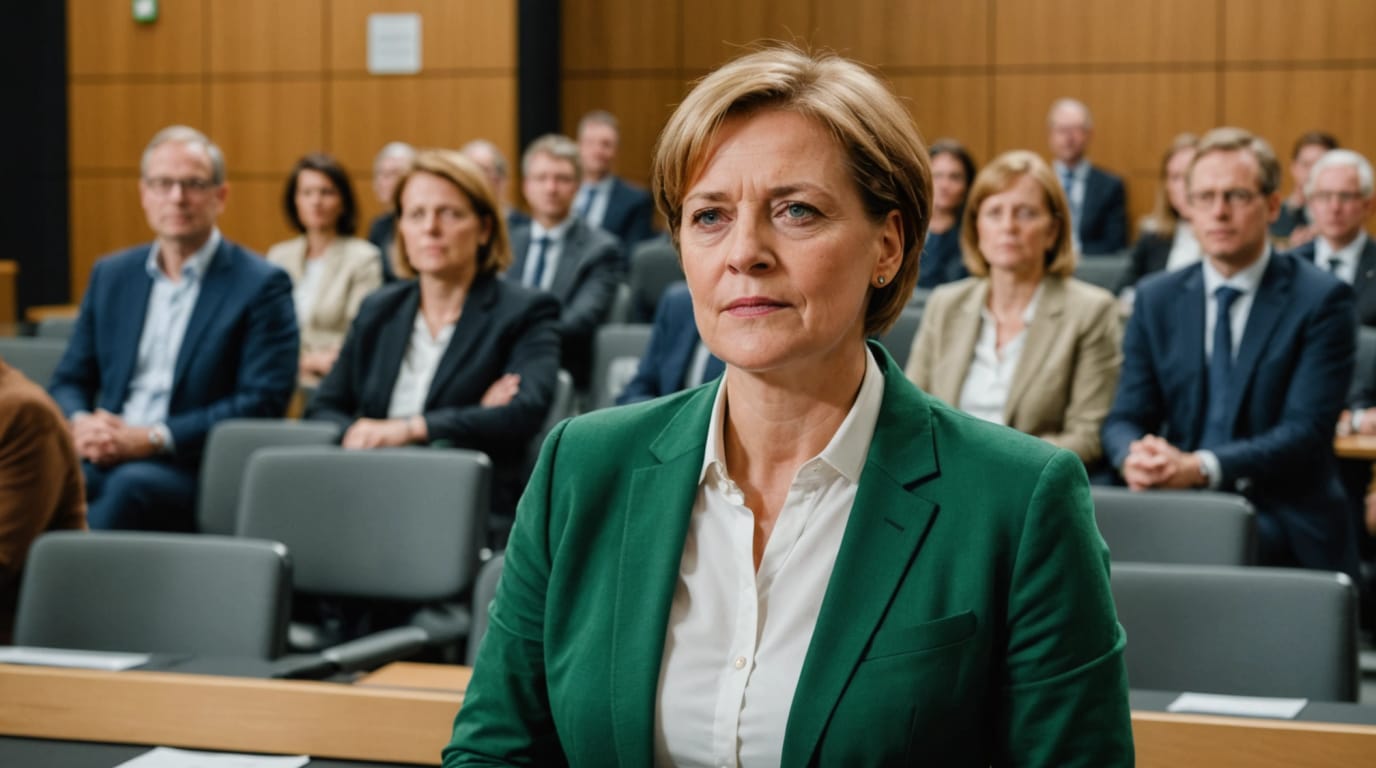
The German Green party, a significant force in German politics for decades, is poised to transition into the parliamentary opposition, marking a shift in the country's political landscape. This move follows recent elections and coalition negotiations, signaling a potential change in the direction of German environmental and social policies.
A History of Influence
The Greens have a long and complex history in Germany. Emerging from the environmental and peace movements of the 1970s, they initially positioned themselves as an "anti-party party," challenging the established political order. Over time, they evolved into a mainstream political force, participating in numerous state and federal governments. They advocate for environmental protection, social justice, and a more sustainable economy. The party's influence has grown substantially, particularly as concerns about climate change have risen to the forefront of public debate.
Recent Election Results
While specific details of the most recent election results necessitating this shift are not provided in the search results, it can be inferred that the Greens did not achieve the electoral success they had hoped for. Despite polls suggesting a strong performance, the final outcome apparently left them short of the numbers needed to form or join a governing coalition. This outcome is described as a "bitter disappointment" in light of earlier polling numbers.
Coalition Dynamics
The German political system is characterized by coalition governments, requiring parties to negotiate and compromise to form a ruling majority. The Greens have been active participants in these negotiations in the past, forming coalitions with both center-left and center-right parties at the state level. However, the current political landscape seemingly did not allow for a coalition agreement that included the Greens, leading to their move to the opposition benches.
Implications for Policy
The Greens' shift to the opposition has significant implications for German policy. As part of the government, they were able to push for ambitious climate targets, investments in renewable energy, and reforms to social welfare programs. In opposition, their ability to directly influence policy will be diminished. However, they can still play a crucial role in shaping public debate, scrutinizing government actions, and proposing alternative policies. The extent of their influence will depend on their ability to effectively communicate their message and build alliances with other parties and civil society groups.
Future Prospects
Despite the setback of moving into opposition, the Greens remain a relevant political force in Germany. Their long-term prospects will depend on their ability to adapt to the changing political landscape, attract new voters, and develop effective strategies for advancing their policy goals. They have demonstrated a capacity to evolve and reinvent themselves throughout their history, and they will need to draw on this experience to navigate the challenges ahead. The party's internal dynamics, including the relationship between its various factions and leaders, will also play a crucial role in shaping its future direction.


