German Juggernaut Halted: Paraguay Delivers Historic World Cup Upset in Penalty Shootout
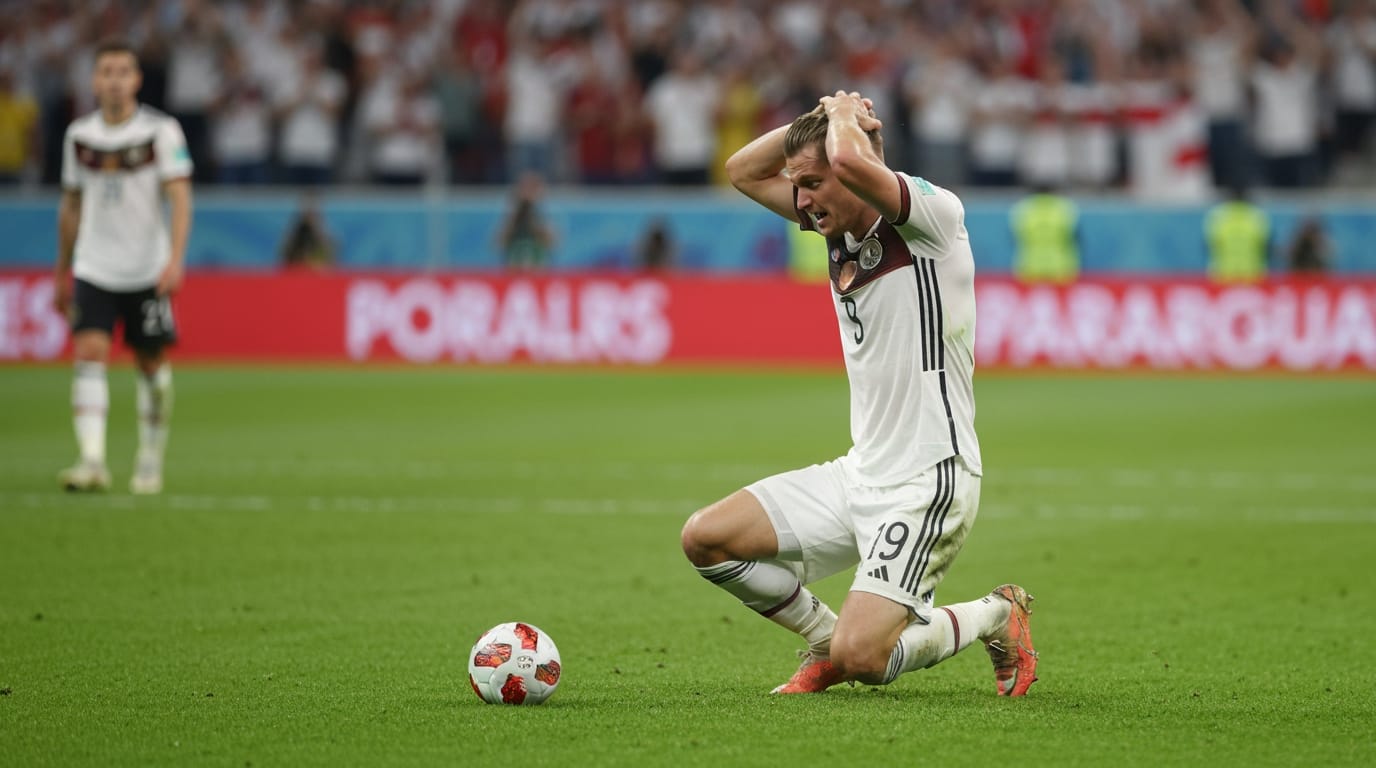
BOSTON, Massachusetts – In a stunning turn of events that has sent shockwaves across the footballing world, four-time champions Germany have been eliminated from the 2026 FIFA World Cup, falling to underdog Paraguay in a dramatic penalty shootout at Boston Stadium on Monday. The 4-3 shootout defeat, following a gripping 1-1 draw after extra time, marks Germany's earliest exit from the tournament in recent memory and, more significantly, shatters their storied and previously unblemished record in World Cup penalty shootouts. For Paraguay, the victory represents one of the greatest achievements in their football history, propelling them unexpectedly into the Round of 16.
The Grinding Battle in Foxborough
The encounter, played out before a capacity crowd in Foxborough, Massachusetts, was a tense, hard-fought affair from the outset. Germany, widely considered among the favorites, struggled to impose their will against a resilient and tactically disciplined Paraguayan side. The South Americans, known for their defensive prowess and counter-attacking threat, executed their game plan with precision, frustrating the German offensive efforts throughout the 120 minutes of play.
Paraguay struck first, breaking the deadlock through a moment of brilliance that stunned the German defense. Julio Enciso, finding himself unmarked, connected with a pinpoint cross to head home from near the penalty spot, giving his side a surprising lead and igniting the Paraguayan contingent in the stands. The goal served as a wake-up call for Germany, who had appeared somewhat listless in the opening stages. They pressed for an equalizer, creating a few half-chances, but Paraguay's Orlando Gill proved a formidable obstacle in goal, denying several German attempts with assured saves.
The German equalizer finally arrived through Kai Havertz, whose glancing header from a Florian Wirtz cross found the back of the net, pulling his team back from the brink. The goal injected a renewed sense of urgency into the German side, and a brief period of sustained pressure followed. However, they were unable to capitalize on this momentum, and the match descended back into a tactical stalemate as both teams battled for control of the midfield. As the game wore on, the physical toll began to show, with chances becoming scarcer and the prospect of extra time looming large.
In extra time, Germany thought they had found their winner. Jonathan Tah rose highest to head in a corner kick, sparking jubilant celebrations from the German bench and fans. However, the celebrations were cut short after a video review, which determined that Waldemar Anton had pushed the Paraguayan goalkeeper, Orlando Gill, in the build-up, leading to the goal being disallowed. This pivotal decision kept the score locked at 1-1 and ensured the match would be decided by the nerve-wracking drama of a penalty shootout.
The Unthinkable: Germany's Penalty Invincibility Ends
As the teams gathered around their respective coaches for the final instructions, the weight of history hung heavy in the Boston air. Germany had long been considered the masters of the penalty shootout, boasting an unparalleled record of success in World Cup history. Prior to this match, the German national team had won every single one of its four World Cup penalty shootouts, a testament to their mental fortitude and clinical execution from the spot. This remarkable consistency had cemented their reputation as a team that simply did not lose when a match went to spot kicks.
However, on this fateful Monday, that legendary aura was irrevocably shattered. The shootout began with both teams converting their initial penalties, but the tide soon turned. Paraguay's goalkeeper, Orlando Gill, emerged as the hero, making two crucial saves that swung the momentum decisively in his team's favor. For Germany, the usually reliable Kai Havertz was among those who failed to convert his spot-kick, a stark indication that this was not to be Germany's day. Nick Woltemade also missed, adding to the German woes.
The tension reached its peak during sudden death. With the score precariously balanced, Germany's Jonathan Tah stepped up but blazed his shot over the crossbar, leaving the fate of the match in the hands of Paraguay's Jose Canale. Canale, with ice in his veins, calmly converted his penalty, sending Gill the wrong way and securing a historic 4-3 shootout victory for Paraguay. The final whistle was met with an explosion of jubilation from the Paraguayan players and fans, while the German camp was left in stunned silence, grappling with the reality of an unthinkable defeat. This loss marks Germany's first-ever defeat in a World Cup penalty shootout, ending a streak that seemed unbreakable.
A Streak Broken, A Legacy Questioned
Germany's exit at the Round of 32 represents a profound disappointment for a nation accustomed to deep runs in major tournaments. This is the third consecutive World Cup in which the German side has failed to meet expectations, further fueling concerns about the direction of their national team program. Their last significant knockout stage appearance at a World Cup was in the 2014 final, which they won. The early departure signals a potential turning point, prompting an inevitable period of introspection and potential restructuring within German football. The unexpected nature of the defeat, especially given their historical prowess in penalty shootouts, only intensifies the sting for fans and players alike. The psychological impact of losing their "penalty invincibility" will undoubtedly be a topic of discussion for years to come.
Paraguay's Historic Advance
For Paraguay, this victory is nothing short of monumental. Often considered dark horses, they have now carved out a significant chapter in their footballing history, overcoming a global powerhouse in a high-stakes encounter. The disciplined performance against Germany, combined with the heroics in the shootout, showcased a team brimming with belief and determination. This win not only propels them into the Round of 16 but also provides a measure of redemption, as Paraguay previously lost to Germany 1-0 in the Round of 16 at the 2002 World Cup.
Paraguay will now look to carry this momentum forward as they prepare to face the winner of the match between France and Sweden. That Round of 16 clash is scheduled for July 4 in Philadelphia, offering another opportunity for the South American squad to etch their names deeper into the annals of World Cup lore. Their journey, characterized by resilience and an unwavering spirit, serves as a powerful reminder of the unpredictable and captivating nature of the World Cup, where underdogs can indeed triumph against all odds.
Conclusion: Echoes of an Upset
The 2026 FIFA World Cup has delivered its first major upset, a result that will be discussed and dissected for generations. Germany's early departure, particularly under such historic circumstances, signals a potential changing of the guard and underscores the increasing competitiveness of international football. While German fans lament a missed opportunity and a shattered record, Paraguay celebrates a moment of pure sporting triumph, having defied expectations and written their own dramatic script. The beautiful game, once again, has proven that passion, grit, and a touch of magic can overcome even the most formidable of footballing legacies.