German Leader Extends Invitation to Netanyahu Despite ICC Warrant
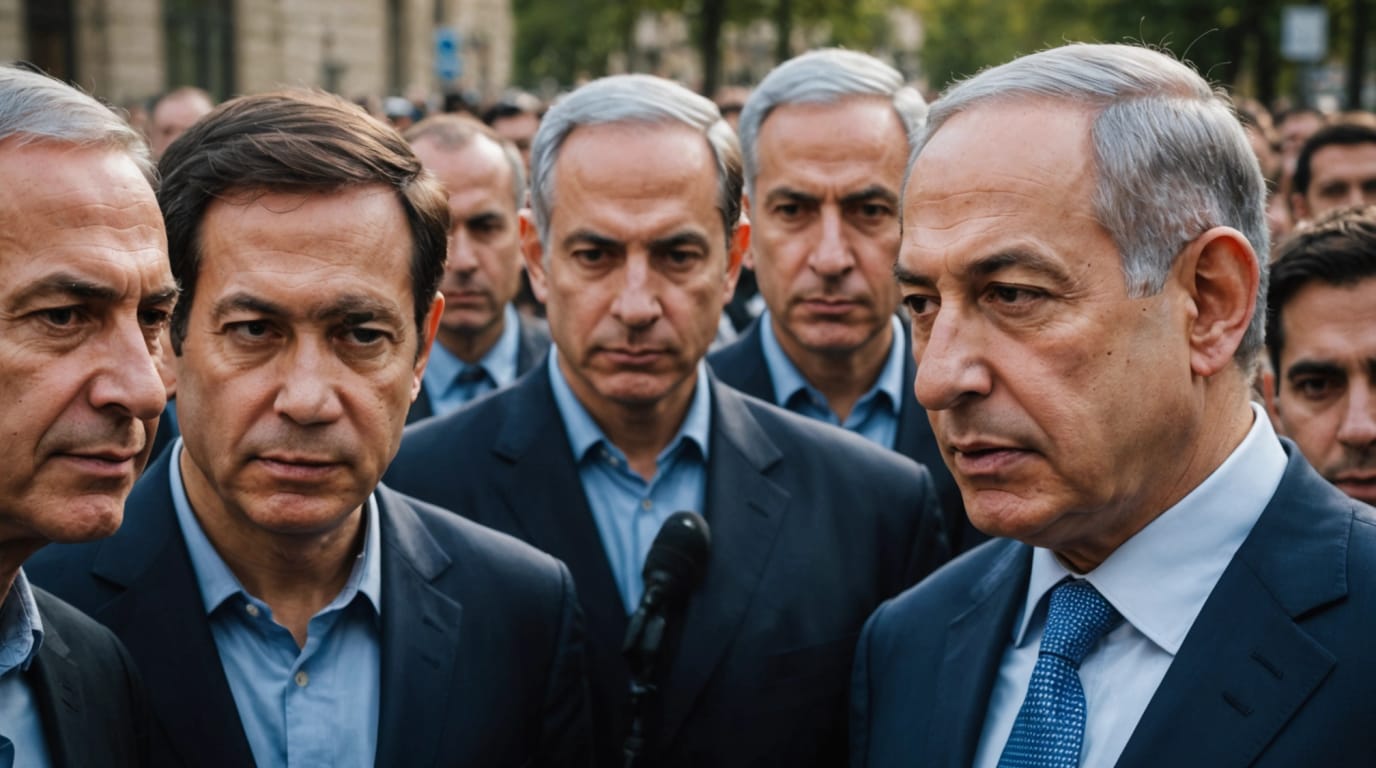
In a move that has sparked international debate, Friedrich Merz, the presumptive next Chancellor of Germany, has invited Israeli Prime Minister Benjamin Netanyahu to visit Germany, despite the outstanding arrest warrant issued against him by the International Criminal Court (ICC). The invitation, extended shortly after Merz's party, the Christian Democratic Union, secured victory in national elections, has ignited controversy, raising questions about Germany's commitment to international law and its relationship with Israel.
The invitation comes at a sensitive time, as the ICC issued arrest warrants in November for Netanyahu, along with his former defense minister Yoav Gallant, and Hamas commander Mohammed Deif. The warrants allege war crimes and crimes against humanity related to the ongoing conflict. While neither Israel nor the United States is a member of the ICC, the court's jurisdiction extends to member states, of which Germany is one, meaning Netanyahu could technically be arrested on German soil.
Merz's invitation has been interpreted by some as a direct challenge to the ICC's authority. Netanyahu's office released a statement saying Merz invited the Israeli prime minister “to make an official visit to Germany, in overt defiance of the scandalous International Criminal Court decision to label the Prime Minister a war criminal.” Merz himself has publicly stated that he believes it is "completely absurd" that an Israeli prime minister should be barred from visiting Germany. He told reporters a day after his party's victory that he had spoken to Netanyahu by phone and that the pair should meet after a new German government is formed.
The legal implications of the invitation are complex. As a signatory to the Rome Statute, which established the ICC, Germany is obligated to cooperate with the court. This obligation includes the arrest and surrender of individuals for whom the ICC has issued warrants. However, some legal experts argue that Germany could invoke certain exceptions or interpretations of the Rome Statute to justify allowing Netanyahu to visit without arrest. Others argue that honoring the invitation would be a violation of international law and would undermine the credibility of the ICC.
The invitation also carries significant political weight. Germany has long maintained a special relationship with Israel, rooted in its historical responsibility for the Holocaust. This relationship has often translated into strong political and diplomatic support for Israel, even in the face of international criticism. Merz's invitation can be seen as a reaffirmation of this commitment, signaling that Germany's support for Israel remains unwavering, despite the ICC's allegations against its leader.
Domestically, the invitation has drawn mixed reactions. Supporters of Merz's party have largely welcomed the move, viewing it as a demonstration of solidarity with Israel. However, opposition parties and some segments of the public have criticized the invitation, arguing that it undermines Germany's commitment to international law and could damage its reputation on the world stage. Some have also raised concerns about the potential for protests and unrest if Netanyahu were to visit Germany.
The situation is further complicated by the ongoing conflict and the broader geopolitical context. The war has intensified scrutiny of both Israel's and Hamas's actions, leading to increased calls for accountability and justice. The ICC's investigation is just one aspect of this broader effort, and Merz's invitation has the potential to either strengthen or weaken these efforts, depending on how it is handled.
Looking ahead, the situation remains fluid. It is unclear whether Netanyahu will accept Merz's invitation, and if he does, how Germany will navigate the legal and political challenges that would arise. The decision could have far-reaching implications for Germany's relationship with Israel, its standing in the international community, and the future of international justice. The world will be watching closely to see how this unprecedented situation unfolds.


