German Man Jailed in 'Pelicot-Style' Abuse Case, Highlighting Betrayal and Digital Crimes
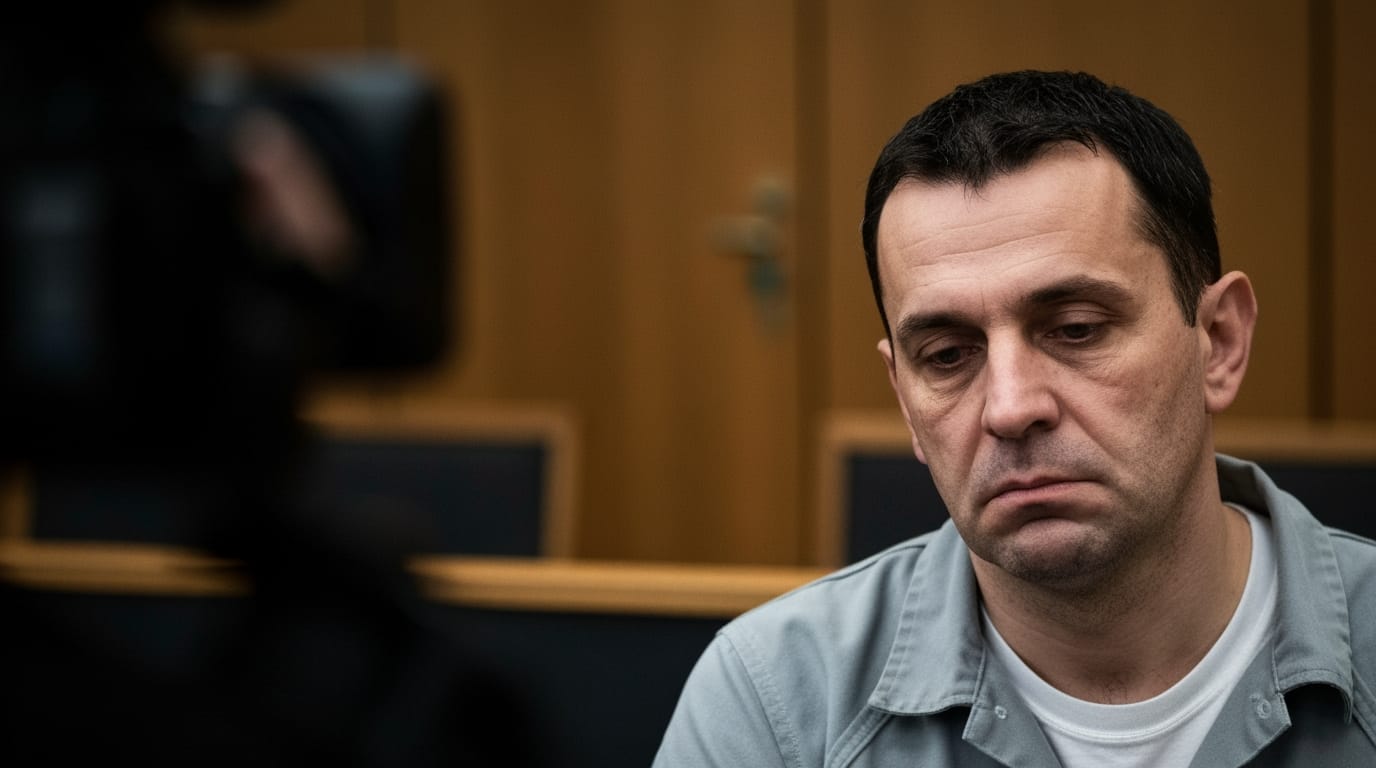
Aachen, Germany – A German court has delivered a significant verdict in a case drawing unsettling parallels to the infamous Dominique Pelicot scandal in France, sentencing a 61-year-old man to eight and a half years in prison for systematically drugging, raping, and filming his wife, then sharing the horrific videos online. The ruling in Aachen underscores the pervasive nature of spousal abuse and the disturbing intersection of betrayal with digital technology.
The convicted man, identified only as Fernando P. in accordance with German privacy laws, was found guilty of aggravated rape, sexual coercion, dangerous bodily harm, and gross violation of his wife's personal privacy. The court's decision brings a measure of justice to a victim who endured years of unimaginable abuse within her own home, often while unconscious.
A Deep Betrayal: The Nature of the Crimes
Fernando P.'s crimes, which occurred between 2018 and 2024, involved a calculated and sustained pattern of abuse. He repeatedly administered sedatives to his wife without her knowledge, rendering her incapacitated. While she was unconscious, he raped her and meticulously recorded these acts. The court heard how these deeply disturbing videos were subsequently made available in online chat groups and on various internet platforms, amplifying the victim's suffering through public dissemination.
The systematic nature of the abuse highlighted a profound breach of trust within the marital relationship. Experts note that such cases represent an extreme form of domestic violence, where the perpetrator leverages a position of intimacy and control to commit severe sexual offenses. The use of sedatives to incapacitate the victim speaks to a premeditated effort to remove consent entirely, a cornerstone of sexual autonomy. The charges included "recordings in 34 cases, of which in 4 cases in combination with rape and dangerous bodily harm," indicating the scale of the privacy violations.
Echoes of Pelicot: A Disturbing Comparison
The German media quickly drew comparisons between this case and that of Dominique Pelicot, a Frenchman convicted in December 2024 for similar, albeit even more expansive, atrocities. Pelicot had drugged his wife, Gisèle Pelicot, for nearly a decade (2011-2020) and then invited dozens of other men to rape her while she was unconscious, meticulously documenting these acts. Gisèle Pelicot's courageous decision to waive her anonymity and testify publicly made her an international symbol of resilience against sexual violence.
While Fernando P.'s case primarily involved his actions alone and not the invitation of multiple external perpetrators, the "Pelicot-style" designation emphasizes the shared elements of systematic drugging, sexual assault against an incapacitated spouse, and the deeply violating act of filming and sharing the abuse online. Both cases reveal a chilling abuse of power, a profound violation of a partner's body and trust, and the modern horror of digital exploitation. The French case ultimately led to an overhaul of France's rape law to explicitly require freely given and informed consent, a discussion that resonates within Germany as well.
The Path to Justice: From Tip-Off to Conviction
The investigation into Fernando P. began after authorities received a tip-off about the illicit videos he was sharing online. This crucial information allowed law enforcement to uncover the full extent of his heinous activities, leading to his arrest and subsequent trial. The digital trail left by the perpetrator proved instrumental in bringing the crimes to light.
During the legal proceedings, the victim's perspective was central. Her lawyer affirmed that she "truly had a voice in these proceedings," allowing her to testify and articulate the immense burden she carried. This emphasis on the victim's agency within the judicial process is a vital aspect of ensuring justice in cases of sexual violence, where victims often face immense psychological barriers to coming forward. The court's verdict, while unable to erase the past, offers a degree of validation and potentially aids in the long and arduous process of healing.
Broader Implications: Consent, Privacy, and Digital Accountability
This German conviction, alongside the French Pelicot case, highlights pressing societal and legal challenges. They underscore the critical importance of robust consent laws, particularly concerning individuals rendered incapable of providing it. Germany revised its rape law in 2016 to facilitate prosecutions, but activists continue to advocate for a fully consent-based approach, ensuring that "no means no" – and the absence of "yes" also means "no."
Furthermore, the online dissemination of abusive content raises significant questions about digital accountability, privacy, and the rapid evolution of technology. These cases demonstrate how platforms can be misused to perpetrate and spread extreme forms of violence, necessitating vigilance from law enforcement and ongoing legislative efforts to combat such abuses. The recent "digital Pelicot" case involving German actress Collien Fernandes, who accused her ex-husband of spreading AI-generated deepfake pornographic images and manipulated voice recordings of her online, further exemplifies the expanding landscape of technologically facilitated sexual violence and the need for updated legal frameworks to address these emerging threats.
Conclusion
The conviction of Fernando P. in Germany represents a critical step in holding perpetrators of intimate partner sexual violence accountable. It serves as a stark reminder of the hidden abuses that can occur behind closed doors, often exacerbated by the anonymity and reach of the internet. While the "Pelicot-style" comparison invokes a particularly chilling form of sexual betrayal and exploitation, the German court's decisive action sends a clear message that such systematic violations of trust and bodily autonomy will be met with the full force of the law. As societies grapple with increasingly complex forms of sexual violence in the digital age, these verdicts reinforce the urgent need for robust legal protections, greater public awareness, and unwavering support for victims seeking justice.


