German Minister Accuses Putin of "Playing a Game" Amidst Fragile Ukraine Ceasefire
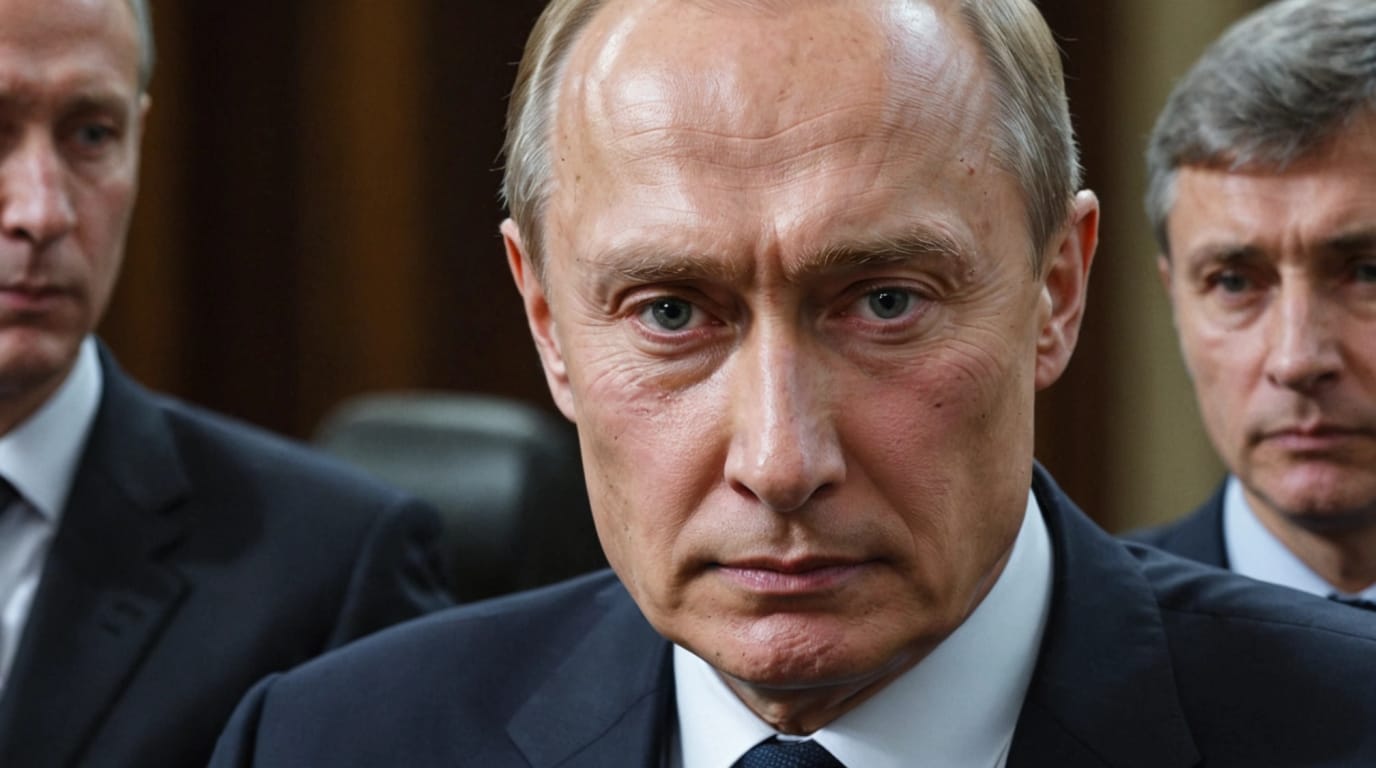
Germany's defense minister has sharply criticized Russian President Vladimir Putin, accusing him of insincerity in the ongoing conflict in Ukraine, despite recent agreements for a temporary ceasefire. The accusation comes in the wake of a phone call between Putin and U.S. President Donald Trump, where a limited cessation of attacks on Ukrainian energy infrastructure was reportedly agreed upon. However, skepticism remains high as attacks on civilian infrastructure have continued.
Doubts Cast on Ceasefire Agreement
Boris Pistorius, the German defense minister, expressed his doubts about the validity of the ceasefire agreement. He stated that attacks on civilian infrastructure in Ukraine had not decreased following the phone call between Putin and Trump. "Putin is playing a game here," Pistorius said, suggesting that the Russian leader's commitment to de-escalation is questionable.
The agreement, brokered by Trump, entails a 30-day pause in attacks targeting Ukraine's energy grid. In return, Putin has demanded a complete halt to foreign military aid and intelligence sharing with Ukraine as a condition for a lasting peace. Ukrainian President Volodymyr Zelenskyy has rejected these conditions, stating that they are an attempt to weaken Ukraine.
Europe's Role in Negotiations
Pistorius emphasized the importance of European involvement in any potential peace negotiations, stating that Europe would have to live with the consequences of any agreement reached. He also voiced concerns about Trump's approach to the negotiations, suggesting that publicly making concessions to Putin before negotiations even begin is not ideal.
German Foreign Minister Annalena Baerbock echoed Pistorius' sentiment, emphasizing that Ukraine must be included in any talks. "We cannot have talks without involving Ukraine. Peace in Europe is at stake, so we Europeans must be included," Baerbock said. She also noted that she was not informed in advance about the phone call between Trump and Putin, highlighting the need for constant communication between all actors involved.
The War's Impact on Germany
The war in Ukraine has had a significant impact on Germany, both economically and politically. Germany, being the largest economy in Europe and a key trading partner with both Russia and Ukraine, has been particularly vulnerable to the fallout from the conflict.
The German economy has suffered due to its dependence on Russian energy, its high share of energy-intensive industries, and its reliance on exports and global supply chains. The war has cost the German economy an estimated €100 billion, or about 2.5% of its GDP.
In response to the war, Germany has made a significant shift in its foreign and defense policy. Chancellor Olaf Scholz announced a "Zeitenwende," or turning point, promising a substantial increase in defense spending and military assistance to Ukraine. Germany has also reversed its long-standing policy of not sending weapons to conflict zones, and has become one of the largest providers of military aid to Ukraine.
International Response and Shifting Alliances
The war in Ukraine has prompted widespread international condemnation of Russia and a coordinated effort to support Ukraine. The United Nations General Assembly has repeatedly voted to condemn Russia's actions and demand the withdrawal of its forces.
However, the conflict has also exposed divisions within the international community. Some countries, particularly in the developing world, have been reluctant to fully align with the West's approach to isolating Russia. This has led to concerns about the potential for a fracturing of the global order and the emergence of new geopolitical alignments.
The recent phone call between Trump and Putin has raised further questions about the future of international support for Ukraine. Trump's willingness to negotiate with Putin, and his apparent openness to making concessions, have caused concern among some European leaders who fear that the U.S. may be backing away from its commitment to Ukraine.
Uncertain Future
As the war in Ukraine enters its fourth year, the path forward remains uncertain. Despite the recent ceasefire agreement, skepticism remains high about Putin's intentions and the prospects for a lasting peace.
Germany, along with its European allies, faces the challenge of balancing its support for Ukraine with the need to maintain stability and security in Europe. The outcome of the conflict will have far-reaching consequences for the future of European security and the international order.


