German National Freed After Niger Kidnapping, Recovered by Algerian Forces
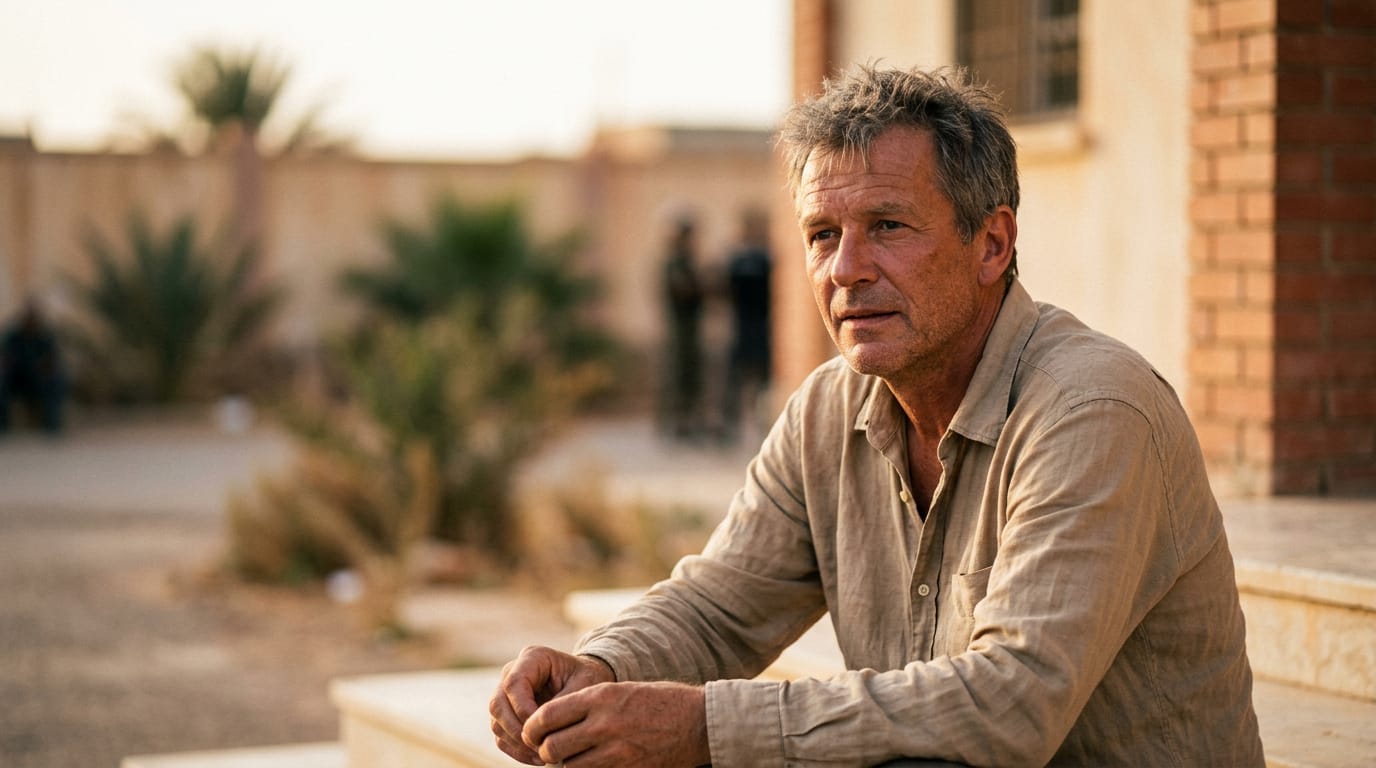
ALGIERS, ALGERIA – A German national, Sinan Ulumaskan, has been successfully recovered by Algerian security authorities after being kidnapped in Niger by an armed criminal group and held captive for approximately two weeks. Ulumaskan, reportedly in good health, was received by Algerian Army security services on Friday, August 7, marking a significant development in the ongoing efforts to combat abductions in the volatile Sahel region. His release underscores the complex security landscape in the area, where criminal networks and terrorist organizations increasingly pose threats to both locals and foreign nationals.
The Abduction and Algerian Intervention
Sinan Ulumaskan, a German national of Turkish origin, was reportedly abducted on July 29, 2026, while traveling in the Tahoua region of northern Niger. He was in the area for business, specifically to purchase gold, when he was seized by an armed criminal group. The kidnappers subsequently used Ulumaskan's telephone to contact his family and demand a ransom of €2 million. They also reportedly threatened to sell him to the Islamic State in the Greater Sahara (ISGS) if negotiations with his family failed.
Algerian security services successfully took custody of Ulumaskan on the evening of Friday, August 7, according to official statements from Algeria's Ministry of National Defence. Following his recovery, he was transported by special flight from In Guezzam, a secondary deployment base in Algeria's Sixth Military Region, to the Boufarik military base near the capital, Algiers. Algerian authorities have confirmed that Ulumaskan is in "good health" and is expected to be handed over to German authorities at a later date. Ulumaskan expressed his gratitude to the Algerian military authorities for their reception and care, and for their efforts to secure his safe return.
Evolving Threat Landscape in the Sahel
The kidnapping of Ulumaskan highlights a worrying trend in the Sahel, where the nature of abduction for ransom is becoming increasingly complex. For years, the abduction of foreigners in the region was largely associated with jihadist organizations. However, this latest incident suggests an expanding role for armed criminal groups, who may abduct individuals primarily for financial gain and then, if negotiations fail, seek to transfer their victims to terrorist organizations like ISGS. This dynamic blurs the lines between common criminality and terrorism, presenting a multifaceted challenge for regional security forces and international partners.
Gold-producing and trading areas, such as the Tahoua region where Ulumaskan was taken, have been identified as particularly vulnerable to such abductions. These areas attract traders, intermediaries, transporters, and individuals carrying cash and other valuables, making them prime targets for criminal elements. The growing presence of these armed criminal groups poses a significant threat not only to foreign nationals but also to Nigerien citizens involved in commercial activities. The report also indicated that subsequent negotiations for Ulumaskan's release were facilitated by Mohamed Mehri, also known as Rougi, a figure with a reported history in hostage mediation within the Sahel. However, some claims regarding the ransom negotiations, the alleged plan to sell the hostage to ISGS, and the mediator's role have not been independently verified.
Niger's Security Challenges and Regional Instability
Niger has faced persistent security challenges, particularly since a military coup in July 2023, which further destabilized the nation. The country has been ravaged by violence from jihadist groups linked to Al-Qaeda and the Daesh group, contributing to an environment ripe for kidnappings and other criminal activities. This pervasive insecurity creates a dangerous environment for both residents and visitors, underscoring the urgent need for enhanced security measures and regional cooperation.
This incident is not an isolated one. The Sahel has witnessed several kidnappings of foreign nationals in recent years. For instance, in December 2022, German aid worker Jörg Lange was freed after being held captive for more than four and a half years in Niger, having been abducted in 2018 by armed men near the Malian border. Additionally, an Austrian woman and a Swiss woman were reportedly abducted in the north of the country from the desert city of Agadez in 2025, with local media and security sources suggesting they may have been taken to neighboring Mali and handed over to the Islamic State. These past events serve as a stark reminder of the persistent and evolving threat faced by expatriates, business operators, traders, and travelers in Niger and the broader Sahel region.
Official Responses and Diplomatic Implications
The Algerian Ministry of National Defence issued a statement confirming the successful recovery of Ulumaskan, though details of the operation that led to his liberation were not disclosed. The German Foreign Office, upon inquiry, acknowledged awareness of the case but declined to provide further comment. As of the latest reports, an authoritative statement from the Nigerien authorities confirming the account has not been publicly released.
The swift and successful intervention by Algerian forces highlights their growing role in regional security operations and their capacity to act across borders in response to criminal and terrorist threats. This cross-border cooperation is crucial in a region where armed groups operate fluidly across national boundaries.
The recovery of Sinan Ulumaskan represents a positive outcome in a region grappling with profound security challenges. While the details surrounding his release and the exact nature of the negotiations remain somewhat opaque, the incident underscores the persistent and evolving threat of kidnapping in the Sahel. It also highlights the critical importance of regional cooperation and intelligence sharing in combating armed criminal groups and terrorist organizations that exploit instability. As Ulumaskan prepares for his return to Germany, his ordeal serves as a stark reminder of the dangers faced by those operating in the complex security landscape of West Africa.


