German Official Calls for Next President to Come From the East
The proposal aims to address lingering political underrepresentation and economic inequality between the eastern and western regions of Germany.
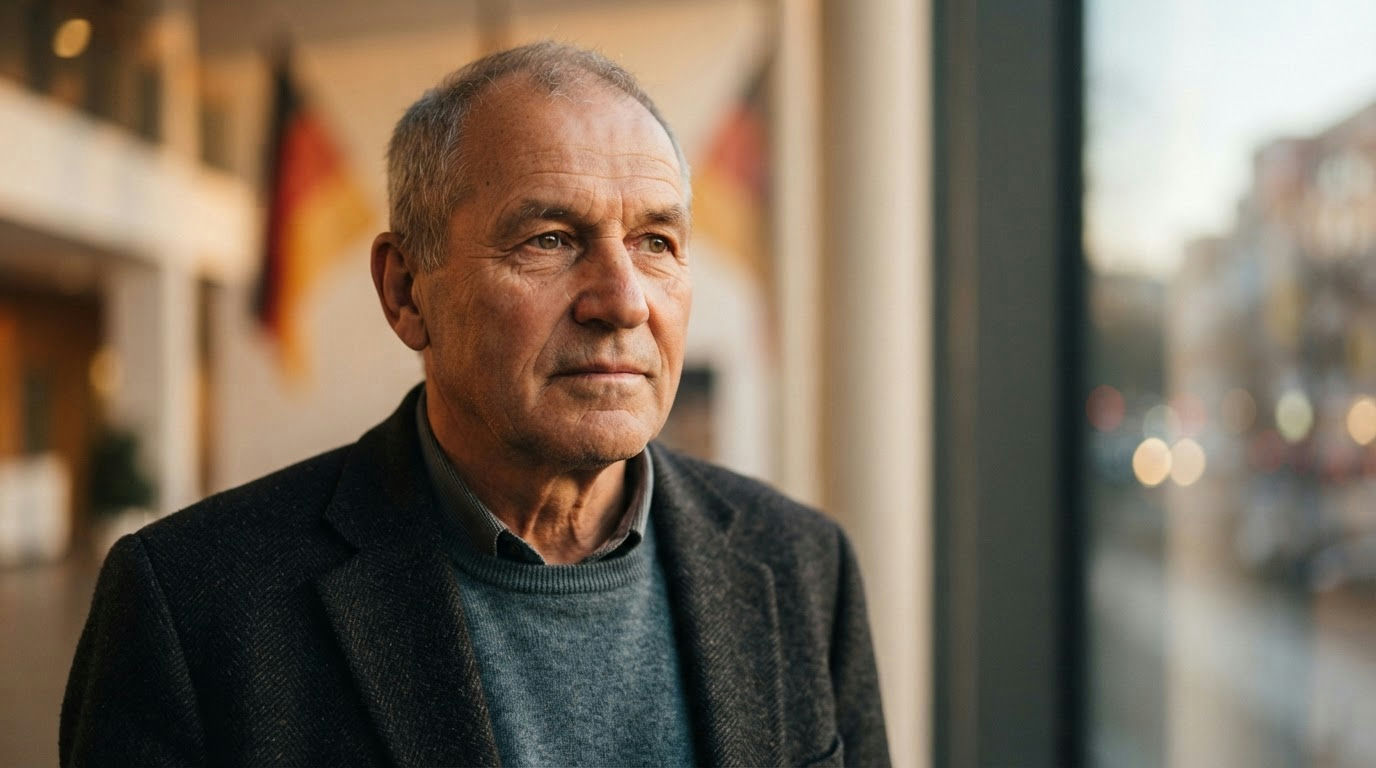
German Commissioner for Eastern Germany Elisabeth Kaiser called on Saturday for the country's next federal president to come from the east, speaking as official celebrations marked German Unity Day in Bremen.
Kaiser said in an interview with the Neue Osnabruecker Zeitung that eastern Germans remain underrepresented in senior positions across politics, business and civil society. The Social Democratic politician said electing an eastern German as the next head of state would serve as a powerful signal of genuine unity.
The appeal coincided with national celebrations marking the anniversary of the 1990 reunification of East and West Germany. While pointing out that eastern states have grown into hubs for scientific research and economic innovation, Kaiser said deep disparities still divide the country. She noted that eastern Germans continue to face persistent gaps in personal income and accumulated household wealth.
The commissioner pointed to the disruptive economic shifts that followed the fall of the Berlin Wall, noting that many eastern families faced major life upheavals and financial distress during the transition to capitalism. According to Kaiser, those experiences continue to shape regional attitudes and public sentiment across eastern states.
Kaiser previously called for changes to national tax policies to narrow the divide, including reforms to inheritance taxes to help bridge the financial divide between western and eastern states. Federal figures released in her annual unity report showed average household wealth in the west remains roughly double that in the east.
Frank-Walter Steinmeier currently serves in his second five-year term as president, which concludes in 2027. The German president is chosen by the Federal Convention, a body made up of federal lawmakers and representatives sent by the country's 16 state parliaments.