German Parliament Grapples with Persistent Diversity Deficit
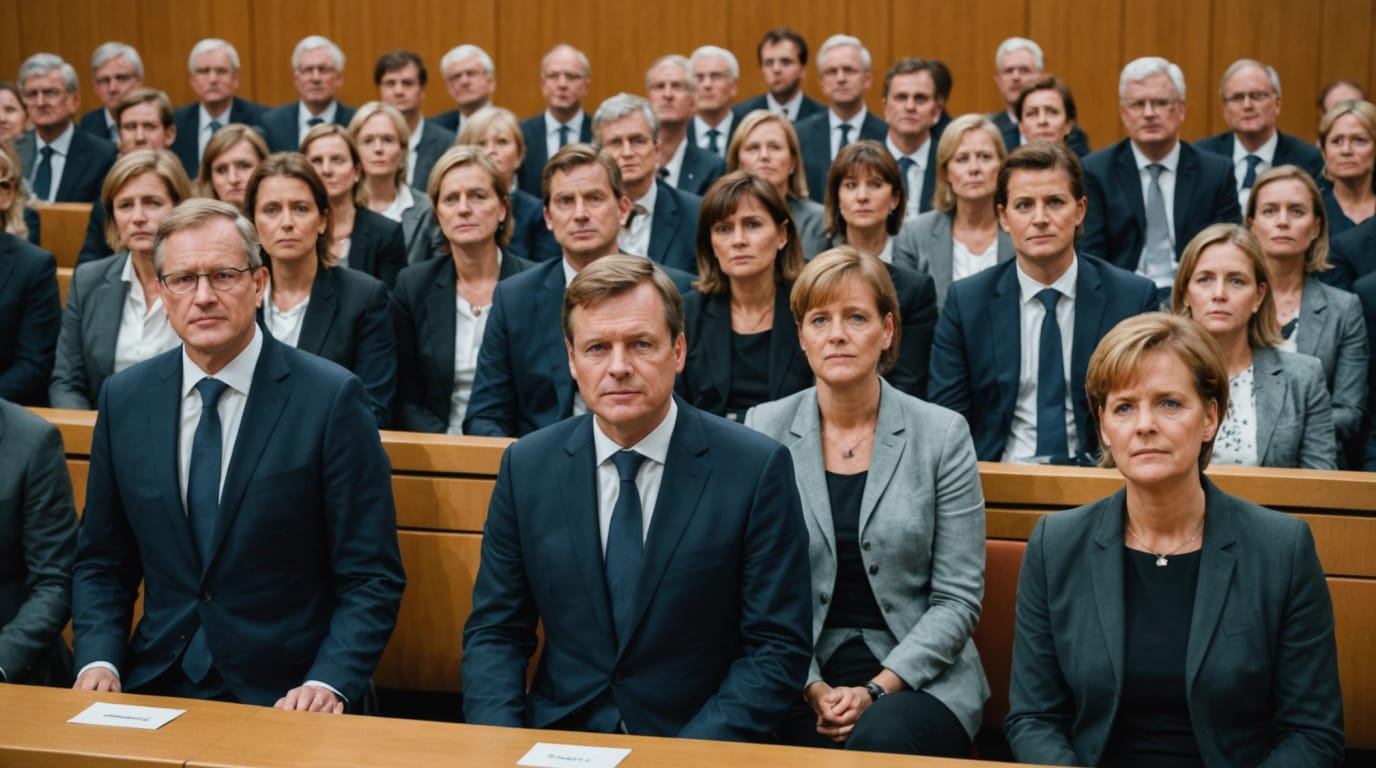
Despite recent progress, the German Bundestag continues to face challenges in achieving representation that accurately reflects the country's diverse population. While the 2021 federal elections brought about the most diverse parliament in German history, significant disparities remain, particularly concerning the representation of women, individuals with migrant backgrounds, and LGBTQ+ individuals. This underrepresentation raises questions about social justice, equal opportunity, and the Bundestag's ability to effectively address the needs of all German citizens.
Incremental Gains in Representation
The 20th Bundestag, elected in September 2021, marked a turning point with a record number of parliamentarians from migrant communities, totaling 83 members who are not German citizens by birth or have at least one parent who isn't. Furthermore, women now account for over a third (35%) of legislators, including the first two openly transgender lawmakers. This increase is largely attributed to the success of parties like the Social Democratic Party (SPD) and the Greens, which employ gender quotas for candidate selection. The SPD and Greens also have a greater proportion of candidates from migrant backgrounds compared to the Christian Democratic Union/Christian Social Union (CDU/CSU).
However, these gains must be viewed in perspective. The increase in female legislators from 2017 was only about 3%, and the overall number of representatives from minority backgrounds remains low relative to the broader population. For instance, individuals with migrant backgrounds constitute only 11.3% of legislators, with the Turkish community, Germany's largest, remaining significantly underrepresented.
The "Migration Background" Conundrum
Germany commonly uses the term "migration background" to categorize individuals with at least one parent born without German citizenship. While this approach acknowledges the presence of immigrants and their descendants, it has been criticized for its broadness. The label encompasses individuals from diverse origins, potentially obscuring the distinct experiences and challenges faced by different groups. Some argue that this approach overlooks the differences between people who are perceived as German-born and those who are not, potentially hindering effective diversity and inclusion efforts.
Societal Attitudes and Political Climate
Wider societal attitudes and the prevailing political climate pose additional hurdles to achieving true diversity in the Bundestag. Despite relatively liberal views on LGBTQ+ issues and gender equality, debates surrounding race, multiculturalism, and discrimination have become increasingly polarized. This polarization can create a hostile environment for minority candidates, discouraging political engagement and potentially limiting the impact of increased diversity within the parliament. The rise of the far-right Alternative für Deutschland (AfD) party has further contributed to this challenging environment, with some individuals expressing concerns that personal information shared for diversity initiatives could be exploited if the party gains power.
Data Collection Challenges
Germany's strict data protection laws and strong emphasis on privacy have made it difficult to gather comprehensive demographic data, hindering efforts to map inequalities and inform diversity-related policies. The government's reluctance to collect data broken down by citizenship, national/ethnic origin, language, and religion makes it challenging to assess the representation of various groups and develop targeted interventions. While some employers and governmental bodies are beginning to survey employees about their backgrounds, participation rates remain low due to concerns about potential discrimination.
The Role of Political Parties
Political parties play a crucial role in promoting diversity within the Bundestag. Parties like the SPD and the Greens have implemented gender quotas and actively recruit candidates from diverse backgrounds. However, other parties, particularly the CDU/CSU, have been slower to embrace these practices. The underrepresentation of individuals with migrant backgrounds in these parties highlights the need for further efforts to promote inclusivity and ensure that all segments of society have a voice in German politics.
Moving Forward: Addressing the Diversity Deficit
Addressing the diversity deficit in the German Bundestag requires a multi-faceted approach. This includes:
- Promoting inclusive recruitment practices: Political parties should actively seek out and support candidates from diverse backgrounds, ensuring that their candidate lists reflect the composition of German society.
- Addressing societal attitudes: Efforts to combat discrimination, promote tolerance, and foster a more inclusive political climate are essential to encourage political engagement among minority groups.
- Improving data collection: While respecting privacy concerns, the government should explore ways to gather more comprehensive demographic data to inform diversity-related policies and track progress in representation.
- Strengthening anti-discrimination measures: Robust anti-discrimination laws and effective enforcement mechanisms are needed to protect individuals from bias and ensure equal opportunities in all aspects of life, including political participation.
- Supporting minority organizations: Providing adequate funding and resources to organizations that represent and advocate for minority groups can help empower these communities and amplify their voices in the political arena.
A Continuing Journey
While the German Bundestag has made strides in recent years to become more diverse, the journey toward true representation is far from over. Overcoming the challenges posed by societal attitudes, data collection limitations, and political party practices requires sustained commitment and a willingness to embrace change. A Bundestag that accurately reflects the diversity of German society is essential for ensuring social justice, promoting equal opportunity, and effectively addressing the needs of all citizens. The ongoing efforts to increase diversity in the German parliament are not just about numbers; they are about building a more inclusive and representative democracy for all.


