German Parties Reach Landmark Agreement on Debt Deal, Paving Way for Increased Spending
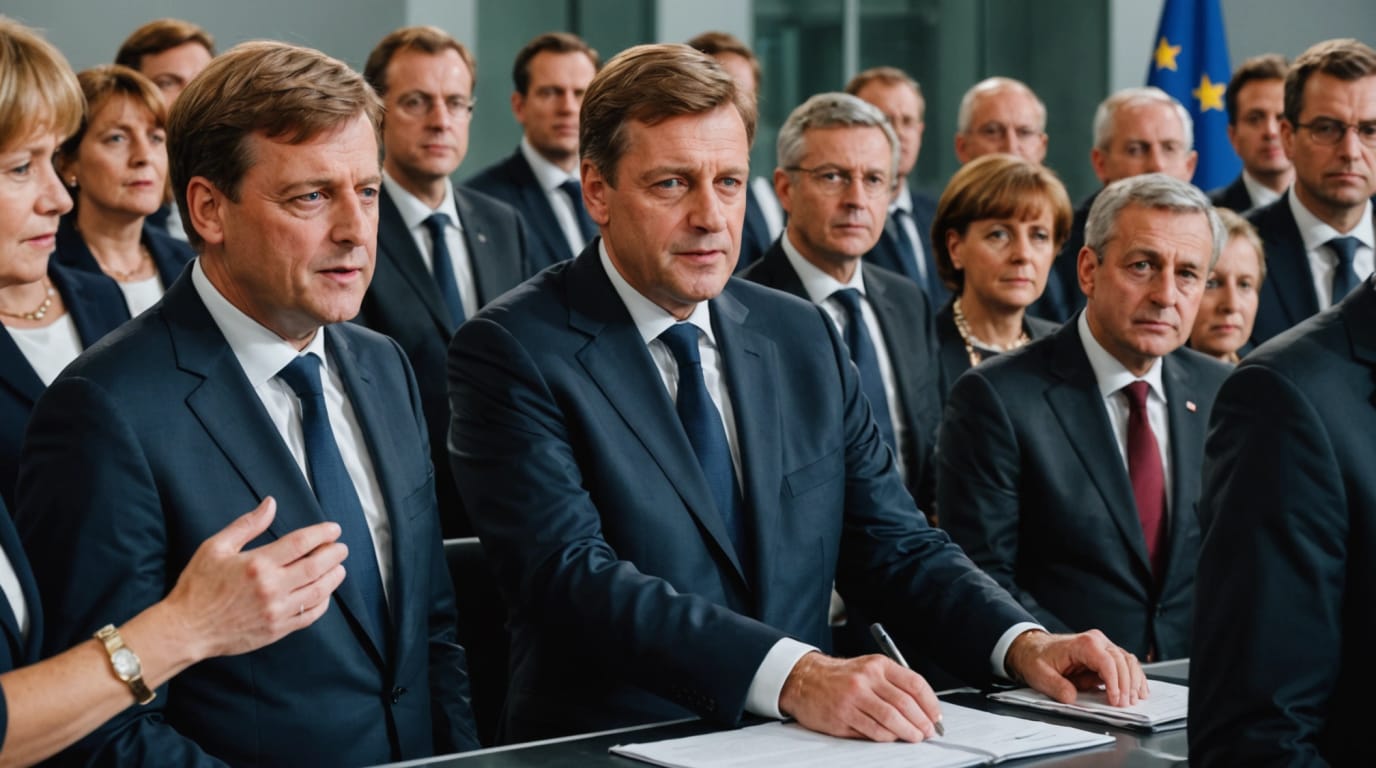
BERLIN – In a move that could reshape Germany's economic landscape, leading political parties have reportedly reached an agreement on a historic debt deal. The agreement, forged between the conservative bloc led by Friedrich Merz, the Social Democrats, and the Green party, is expected to unlock significant state borrowing and fuel investment in key sectors.
The agreement comes ahead of a crucial parliamentary vote scheduled for next week. Sources familiar with the negotiations say the deal aims to secure a two-thirds majority in the outgoing parliament, a threshold necessary for passing the ambitious debt plan. The Greens' support is considered vital for achieving this majority.
The deal has sent ripples through financial markets, with the euro rallying on the rising prospect of increased fiscal stimulus in Europe's largest economy. As of Friday, the euro rose 0.49 per cent to $1.0902. Against the pound, the euro gained 0.5 per cent to 84.19 pence and rose 0.7 per cent to 0.
Details of the Agreement
While specific details of the agreement remain under wraps, it is understood to involve a substantial increase in state borrowing. This borrowing is intended to finance critical investments in areas such as defense, infrastructure, and green energy transition.
The decision to embrace higher debt levels marks a significant departure from Germany's traditionally conservative fiscal policy. For years, the country has adhered to strict budget rules, prioritizing fiscal discipline and debt reduction. However, the current economic climate, coupled with pressing societal challenges, has prompted a reassessment of this approach.
Implications for Germany and Europe
The debt deal has far-reaching implications for both Germany and the wider European Union.
Economic Growth: The injection of public funds into the economy is expected to stimulate growth and create jobs. Investments in infrastructure and green technologies could enhance Germany's competitiveness and position the country as a leader in sustainable development.
Defense Spending: The agreement is likely to pave the way for increased defense spending, addressing concerns about Germany's military capabilities and its commitment to NATO. This could lead to a strengthening of European security and a more assertive role for Germany on the global stage.
European Stability: A stronger German economy could provide a boost to the entire Eurozone, helping to stabilize the currency and promote economic convergence. The deal could also encourage other European countries to adopt more flexible fiscal policies in response to their own economic challenges.
Political Considerations
The agreement represents a significant political achievement for Friedrich Merz, who is widely expected to become the next German Chancellor. By securing the support of both the Social Democrats and the Greens, Merz has demonstrated his ability to build consensus and forge a broad coalition.
However, the deal is not without its critics. Some economists and political commentators have expressed concerns about the long-term sustainability of higher debt levels. They argue that increased borrowing could lead to higher interest rates, inflation, and a weakening of Germany's fiscal position.
Reactions to the Deal
News of the agreement has been met with mixed reactions. Business leaders have generally welcomed the prospect of increased investment and economic growth. Labor unions have praised the potential for job creation and improved social welfare.
However, some conservative voices have warned against abandoning fiscal discipline and jeopardizing Germany's financial stability. Opposition parties are likely to scrutinize the details of the deal and challenge its economic assumptions.
Conclusion
The agreement on a historic debt deal marks a turning point for Germany. It signals a willingness to embrace new approaches to economic policy and address pressing challenges through increased public investment. While the deal is not without its risks, it offers the potential to stimulate growth, strengthen European security, and position Germany as a leader in the 21st century. The parliamentary vote next week will be a crucial test of the agreement's political viability and its long-term impact on Germany's future.


