German Public Opinion Shifts: Majority Now Favors Nuclear Energy Return
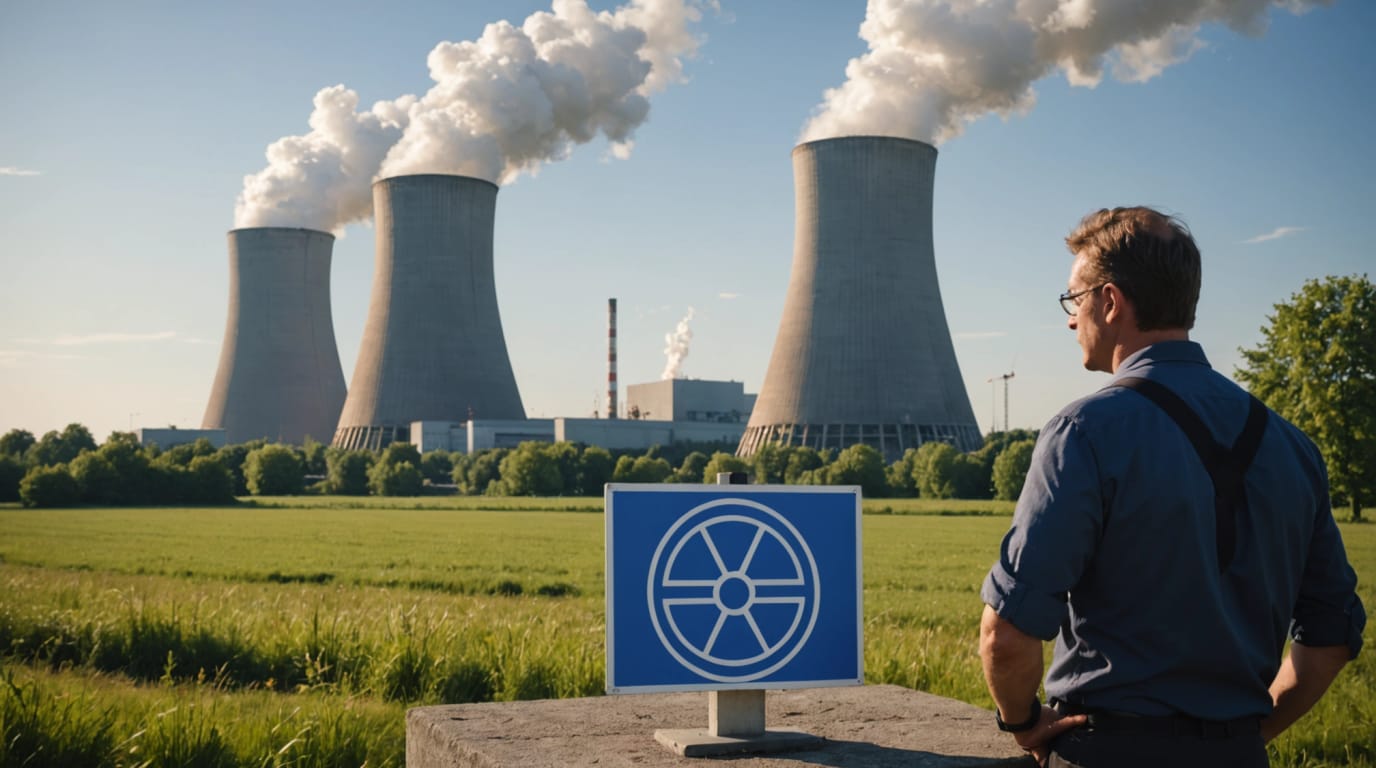
Germany, a nation historically wary of nuclear power, is experiencing a significant shift in public sentiment. Recent polls indicate a majority of Germans now support a return to nuclear energy, a stark contrast to the anti-nuclear movement that defined the country's energy policy for decades. This change in opinion comes amidst concerns about energy security, rising costs, and the ongoing transition to renewable energy sources.
A Turnaround in Sentiment
For years, Germany has been committed to phasing out nuclear power. This commitment was solidified in the wake of the Chernobyl disaster in 1986 and further reinforced after the Fukushima Daiichi accident in 2011. The last of Germany's nuclear power plants were shut down in April 2023, marking the end of an era. However, recent surveys reveal a growing unease with this decision. One survey, conducted by public broadcaster ARD, found that 59% of respondents believe the government's decision to abandon nuclear energy was wrong. Only 34% supported the phaseout. This shift is further highlighted by a 2022 poll by Der Spiegel, which indicated that 41% of Germans would be in favor of building new nuclear plants, compared to only 3% in a similar poll 33 years prior.
Drivers of Change
Several factors are contributing to this change in public opinion. The most prominent is the concern over energy prices. The ARD survey revealed that 66% of those who opposed the nuclear phaseout were worried about rising energy costs following the shutdown of the plants. Russia's invasion of Ukraine and the subsequent energy crisis in Europe have exacerbated these concerns, leading many to question the wisdom of relying solely on renewable energy sources and imported gas.
Another factor is the perceived impact on energy security. Germany, heavily reliant on imported fossil fuels, particularly natural gas, has been seeking ways to reduce its dependence on foreign energy sources. While renewable energy is seen as the long-term solution, some argue that nuclear power could provide a stable and reliable source of energy during the transition.
The Renewable Energy Transition
Germany's "Energiewende," or energy transition, aims to shift the country's energy supply from fossil fuels and nuclear power to renewable sources like wind and solar. While the transition has seen significant progress, challenges remain. Renewable energy sources are intermittent, meaning their availability depends on weather conditions. This intermittency requires backup power sources and significant investments in grid infrastructure to ensure a stable energy supply.
Despite strong support for renewable energy, with 80% of Germans supporting the transition, concerns exist about the pace and reliability of the shift. Some argue that prematurely shutting down nuclear power plants has put undue strain on the energy system and increased reliance on coal-fired power plants, undermining Germany's climate goals. In 2021, coal accounted for 30% of Germany's electricity generation, making the country Europe's biggest emitter of carbon dioxide.
Political Implications
The shift in public opinion on nuclear energy has significant political implications. While the current coalition government, led by Chancellor Olaf Scholz, remains committed to the nuclear phaseout, opposition parties are seizing on the issue. The conservative CDU/CSU bloc and the liberal FDP have called for a reevaluation of the nuclear policy, arguing that it is detrimental to Germany's energy security and economic competitiveness.
Within the ruling coalition, divisions exist as well. While the Green party remains staunchly opposed to nuclear power, some members of the SPD and FDP are reportedly open to considering a temporary extension of nuclear power plant operations or even a limited restart of idled plants.
Industry Perspective
The German nuclear industry has largely remained silent on the issue, as the focus has been on decommissioning the existing plants. However, some industry experts argue that Germany has the technical expertise and infrastructure to safely operate nuclear power plants and that doing so could contribute to a more secure and sustainable energy future. An industry group stated in March 2025 that Germany could recommission up to six nuclear power plants.
The Future of Nuclear in Germany
Despite the growing support for nuclear energy, a complete reversal of the nuclear phaseout policy remains unlikely in the short term. The political hurdles are significant, and the costs and logistical challenges of restarting idled plants are considerable. However, the changing public sentiment and the ongoing energy crisis have opened the door to a broader discussion about the role of nuclear power in Germany's energy future.
Several scenarios are possible. One is a temporary extension of the operating lives of existing nuclear power plants, as was done in 2022 when the government decided to keep the last three plants running longer than planned to offset reduced gas supply from Russia. Another is a limited restart of idled plants, perhaps with a focus on newer, safer reactor designs. A third scenario is a gradual shift in policy, with the government acknowledging the potential role of nuclear power in ensuring energy security and reducing carbon emissions.
Conclusion
The debate over nuclear energy in Germany is far from over. The changing public sentiment, driven by concerns about energy security and rising costs, has created new momentum for a reevaluation of the country's nuclear policy. While a complete return to nuclear power is unlikely in the immediate future, the issue will likely remain a prominent topic in German politics and energy policy for years to come. The future of nuclear energy in Germany will depend on a complex interplay of political considerations, economic realities, and technological developments.


