German Reservist Head Urges European Military Presence in Greenland Amid Escalating Arctic Tensions
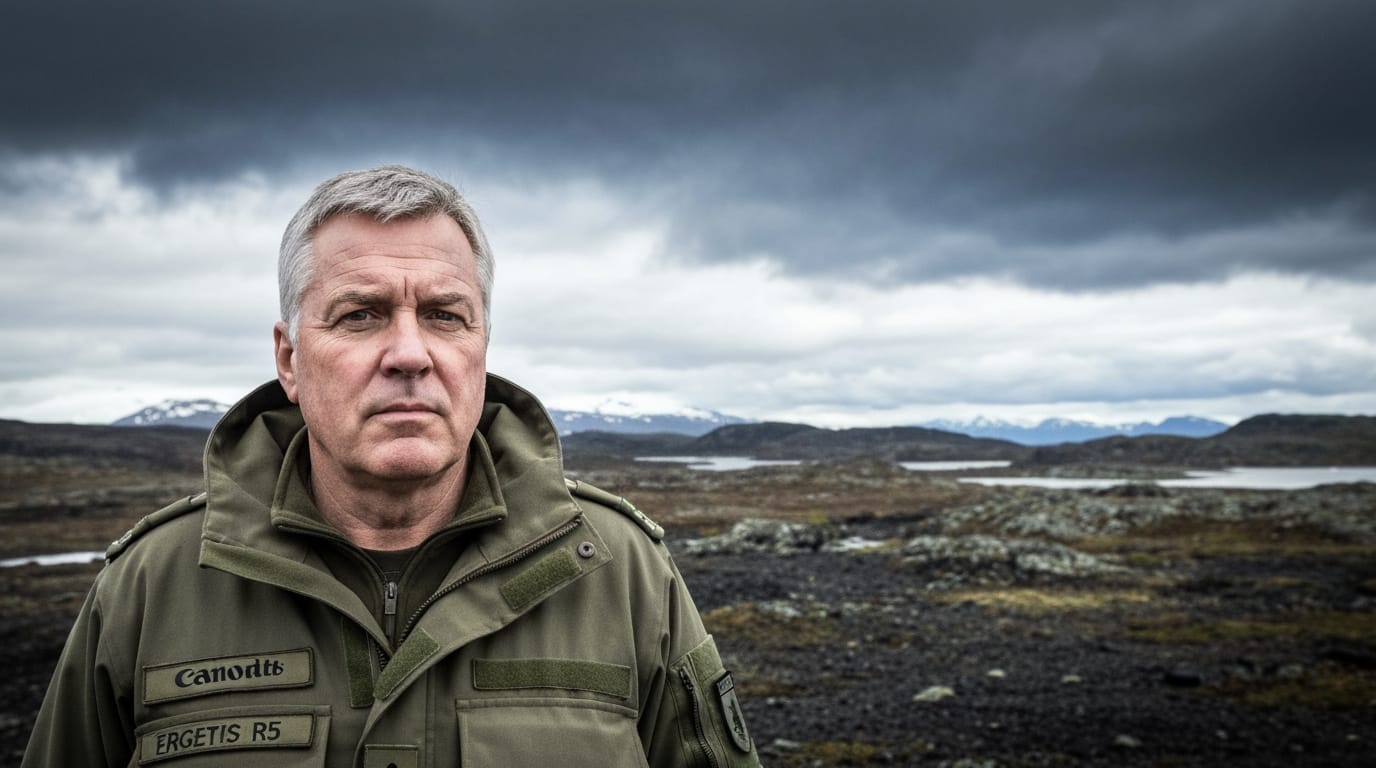
Berlin, Germany – The head of Germany's Reservist Association has issued a stark call for the deployment of a European military brigade to Greenland, emphasizing the critical need for an enhanced European presence in the strategic Arctic region. The proposal, articulated by Patrick Sensburg, comes amidst heightened geopolitical competition for the Arctic and resurfaced discussions surrounding former U.S. President Donald Trump's past interest in acquiring the vast island territory. Sensburg argues that such a deployment, under Danish command, would not only bolster European security interests but also provide invaluable training opportunities for German forces in challenging Arctic conditions.
A Bold Proposal for Arctic Security
Patrick Sensburg, who chairs the German Reservists Association, recently put forth the notion of establishing at least one European brigade in Greenland. In an interview, he highlighted the necessity for Europe to demonstrate a substantial presence in the Arctic, citing previous intentions expressed by former U.S. President Donald Trump regarding the strategically vital island. Sensburg underscored Germany's particular responsibility in such an endeavor, suggesting that the German Bundeswehr could gain significant strategic advantages through military training in the Arctic's demanding environment. He further asserted that a joint European operation of this nature would reinforce European unity and signal the continent's readiness to independently safeguard its security interests in the Arctic. The British government is also reportedly engaged in discussions with European allies concerning the potential deployment of military forces to Greenland.
The proposal touches upon a complex web of geopolitical considerations, including Greenland's unique status as an autonomous territory within the Kingdom of Denmark, with Copenhagen retaining control over foreign and defense policy. Denmark has, in fact, committed to strengthening its own defense capabilities in Greenland amidst the evolving security landscape.
Greenland's Pivotal Role in a Warming Arctic
Greenland, the world's largest island, has emerged as a central geopolitical hotspot due to its critical location along emerging shipping routes, significant security and defense implications, and vast untapped natural resources. The accelerating melt of its ice sheet, a consequence of global warming, is opening new maritime passages and making accessible rich reserves of minerals, including rare earths vital for high-tech and advanced defense industries. This has intensified its appeal, positioning Greenland at the crossroads of a growing geopolitical rivalry involving the United States, Russia, and China.
Its strategic importance is underscored by its position in the "GIUK-gap" (Greenland-Iceland-UK), a crucial maritime choke point for controlling access between the Arctic Ocean and the Atlantic. During the Cold War, this gap was integral to NATO's defense strategies against Soviet naval movements, and it remains a key area for monitoring submarine activity. The U.S. maintains a significant military presence in Greenland, notably the Pituffik Space Base (formerly Thule Air Base), which is considered one of its most important radar stations for continental missile defense.
European Concerns and Divergent Perspectives
Sensburg's call for a European brigade is partly a response to previous statements by former U.S. President Donald Trump, who on multiple occasions voiced a desire to acquire Greenland, citing national security concerns and preventing potential Russian or Chinese influence. These remarks have created unease among European leaders, prompting discussions about how to collectively address the security of the region.
German Chancellor Friedrich Merz acknowledged that NATO allies are engaged in discussions about enhanced security measures for Greenland, aiming for a "mutually agreeable solution" within the alliance. Merz expressed shared concerns with the U.S. regarding the need for better protection for this part of Denmark and anticipated American involvement in future security arrangements. However, Germany's Defense Ministry had previously indicated no concrete plans for troop deployment were known at the time of Sensburg's initial statements, emphasizing a multilateral approach to North Atlantic and Arctic security within NATO. Further highlighting the delicate diplomatic landscape, German Defense Minister Boris Pistorius reportedly described any U.S. ambition to control Greenland as an "unprecedented situation in the history of NATO."
Denmark, as the sovereign power, has firmly rejected notions of its territory being for sale. Danish Prime Minister Mette Frederiksen has affirmed that borders must not be changed by force, standing by the fundamental principle of international law and self-determination. Greenland's foreign policy strategy also highlights its openness to enhanced cooperation and dialogue with partners, including the U.S., but seeks to balance this with its aspirations for economic self-sufficiency and potential future independence.
Germany's Evolving Arctic Strategy
Germany's official Arctic policy reflects the growing recognition of the region's geopolitical, geo-economic, and geo-ecological significance. Germany views the Arctic as a region in transition and aims to ensure it remains as conflict-free as possible, upholding a rules-based international order. The nation's strategy emphasizes resilience against external interference and expanding capabilities for situational awareness in maritime, aviation, and space domains within the Arctic.
In light of Russia's actions, the security policy dimension of the Arctic has gained considerable prominence for Germany. Its policy guidelines stress the importance of sustainable resource utilization, environmental protection, and the promotion of scientific research and freedom of navigation. Germany supports an active European Union Arctic policy and works towards coherence in Arctic issues across various policy areas. While Germany currently contributes to Arctic security through its NATO commitments and scientific endeavors, a direct military deployment as proposed by Sensburg would mark a significant escalation of its physical presence and role in the region's defense posture.
Conclusion: A Continent's Northern Horizon
The call for a European brigade in Greenland by the head of the German Reservist Association underscores the escalating strategic importance of the Arctic and the complex geopolitical maneuvering surrounding it. As melting ice caps transform the Arctic into a new frontier for trade, resources, and military projection, European nations, led by Germany, are increasingly compelled to define and assert their interests. The debate highlights the delicate balance between maintaining a unified NATO front, respecting sovereign territories like Greenland, and projecting independent European defense capabilities. While the immediate deployment of a European brigade remains a proposal, it signals a growing determination within Europe to engage more directly in shaping the future security architecture of the high North, moving beyond traditional security concerns to embrace the multifaceted challenges and opportunities presented by a rapidly changing Arctic.


