German Train Conductor Dies After Brutal Assault, Igniting Safety Debate on Railways
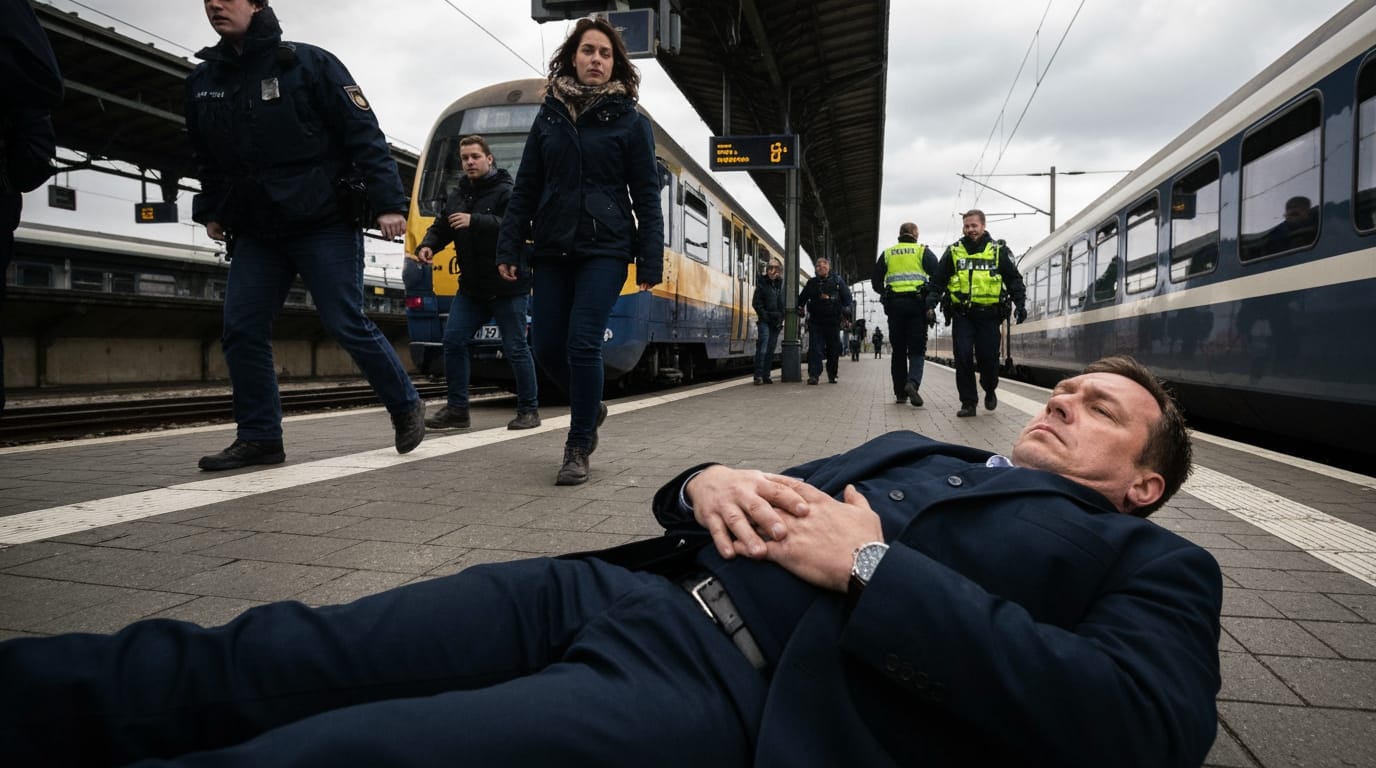
A routine ticket inspection on a regional train in Rhineland-Palatinate, Germany, took a tragic turn this week, culminating in the death of a 36-year-old train attendant following a severe assault. The incident has sent shockwaves through the nation, reigniting urgent conversations about the escalating risks faced by railway personnel and the broader safety of public transport across Germany. The railway employee, identified as Serkan C., succumbed to his injuries, underscoring a grim trend of violence against those who maintain the country's essential transport infrastructure.
The Tragic Loss and Circumstances
The fatal encounter unfolded on Monday evening in a Regionalexpress train near Homburg, Rhineland-Palatinate. During a standard ticket check, Serkan C. was brutally attacked by a 26-year-old passenger. The specific details surrounding the altercation remain under investigation, but authorities confirmed the severity of the injuries sustained by the conductor. Despite immediate medical attention and efforts to save him, Serkan C. tragically died from his injuries. This devastating event marks a somber moment for Deutsche Bahn and its employees, highlighting the unpredictable dangers that can arise in the course of their duties.
A Pattern of Violence Against Rail Staff
The death of Serkan C. is not an isolated incident but rather the latest and most severe in a series of attacks targeting train personnel in Germany. For years, bus drivers and train conductors have increasingly found themselves at the receiving end of aggressive and violent behavior. This troubling pattern has led to growing concern among unions and staff, who frequently call for more robust protection measures. Heiko Teggatz, a police union official, emphasized the need for political intervention following this latest tragedy, stating that action must be taken from the side of politics. Federal police statistics reveal a worrying escalation in such incidents, with 49 people subjected to attacks on public transport in 2021, a significant increase from 29 cases recorded the previous year.
Rising Concerns on German Public Transport
Beyond assaults on staff, German public transport has witnessed a concerning number of violent incidents affecting passengers as well. In recent years, high-profile crimes have frequently made headlines, contributing to a sense of unease among commuters. Last year, two individuals reportedly beat a German train conductor unconscious in Essen, while a ticket inspector was stabbed by a migrant after refusing to buy a ticket.
Other notable events include a 50-year-old German train driver being attacked by a 15-year-old Afghan national at a train station in Saxony. More recently, a 20-year-old Syrian national wielding a hammer attacked and injured four people on a long-distance ICE train traveling through Bavaria. This incident saw four people injured, three of whom were also Syrian nationals. Additionally, a knife attack at Hamburg's main railway station resulted in multiple injuries, with reports indicating between 12 and 17 individuals wounded, leading to the arrest of a 39-year-old woman. Such occurrences, though varied in their nature and perpetrator profiles, collectively point to a persistent challenge in ensuring the safety of Germany's extensive railway network for both employees and the traveling public.
The Human Toll and Systemic Challenges
The constant threat of violence takes a significant toll on railway employees, who are on the front lines of public service. Beyond the physical injuries, the psychological impact of such incidents can be profound, fostering an environment of fear and anxiety. Deutsche Bahn, Germany's national railway company, has expressed its dismay over these violent acts. Following a hammer attack on a train, the operator stated that its thoughts and sympathy were with the injured and all those who had to come to terms with the experience.
In response to these escalating concerns, Deutsche Bahn has outlined plans to enhance security across its network. Efforts include expanding video surveillance at railway stations and on trains, aiming to deter potential assailants and aid in investigations. However, ensuring comprehensive security across a vast and open public transport system remains a complex challenge. Despite the rail system being recognized as one of the safest modes of transport from a technical perspective, the human element of safety, particularly concerning interpersonal violence, continues to be a critical area of focus.
Calls for Enhanced Safety Measures and Future Outlook
The death of Serkan C. serves as a stark reminder of the inherent risks faced by public transport workers and amplifies calls for more effective safety measures. While railway companies are legally obliged to do everything technically possible and reasonable to counter risks, balancing commercial interests with safety requirements is an ongoing discussion. The German police union's plea for political intervention underscores the need for a multi-faceted approach involving legislative, operational, and social strategies to address the root causes of aggression and violence on public transport.
As investigations into the assault on Serkan C. proceed, the incident will undoubtedly fuel further debate on how best to protect the individuals who are vital to the functioning of Germany's public life. Ensuring the safety of train personnel and passengers alike will require sustained vigilance, collaboration between authorities, and a clear commitment to fostering a secure environment across the nation's railway system.


