German Upper House Approves Landmark Debt Reform Plan
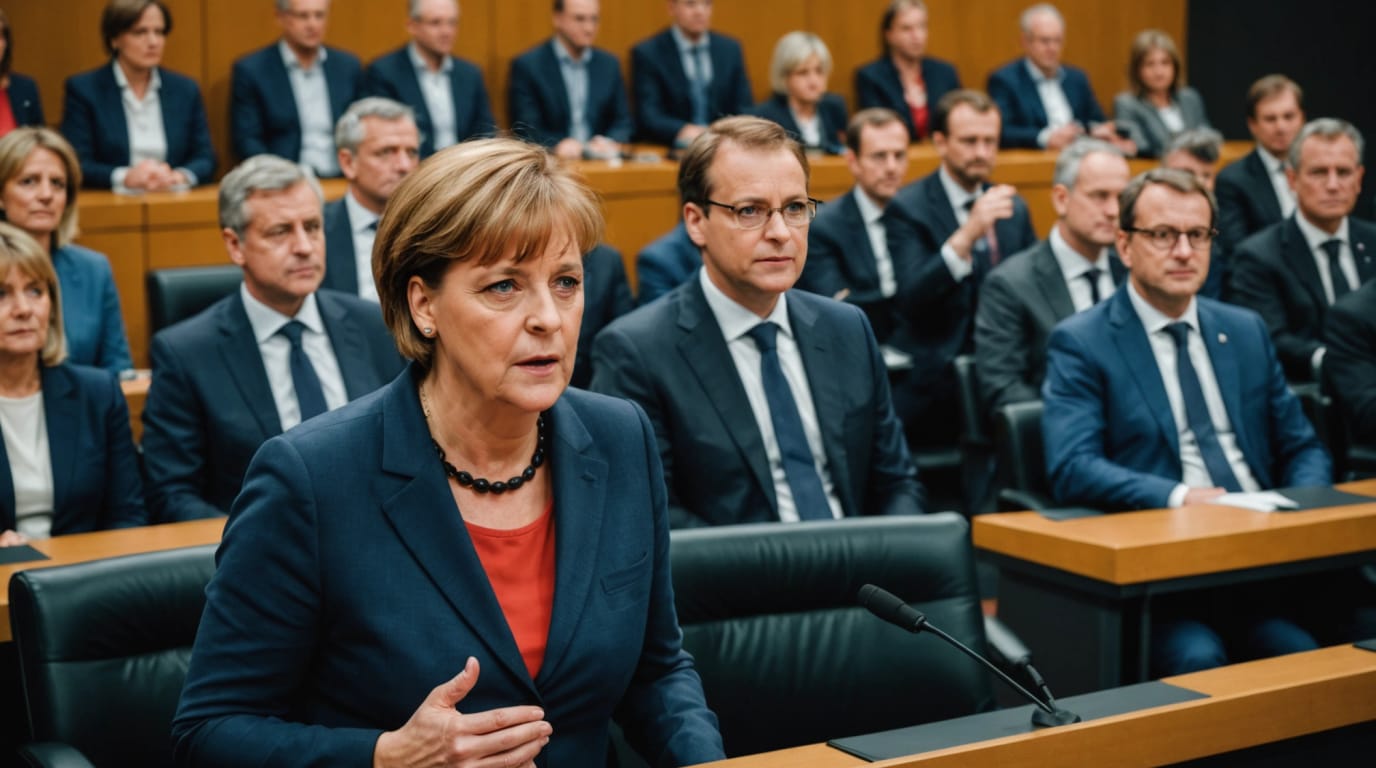
BERLIN – In a move hailed as a potential economic game-changer, Germany's upper house of parliament, the Bundesrat, today approved a landmark reform to the nation's debt rules, paving the way for increased investment in defense, infrastructure, and climate initiatives. The vote marks the final hurdle for the legislation, unlocking billions of euros for an economy seeking to revive growth and adapt to a shifting geopolitical landscape.
The reform centers on amending Germany's "debt brake," a constitutional rule introduced in 2009 that has long restricted government borrowing. The debt brake limited the structural deficit to 0.35% of GDP and required states to maintain balanced budgets. The newly approved changes will exempt certain expenditures from these strict limitations, specifically defense spending exceeding 1% of GDP.
The passage of this reform is expected to have far-reaching consequences for both Germany and the wider Eurozone. Proponents argue that it will stimulate economic growth by enabling crucial investments, while critics voice concerns about the potential for increased debt and its long-term impact on fiscal stability.
Overcoming Obstacles in the Bundesrat
The reform's journey to approval was not without its challenges. While the lower house of parliament, the Bundestag, approved the constitutional amendment on March 18 with a significant majority of 512 votes to 206, securing the necessary two-thirds majority proved more complex in the Bundesrat.
The coalition of the Christian Democratic Union (CDU), the Social Democratic Party (SPD), and the Greens, which backed the reform, initially controlled only 41 of the Bundesrat's 69 seats, falling six votes short of the required two-thirds majority. However, support from the CDU's Bavarian sister party, the Christian Social Union (CSU), which holds six votes, proved crucial in securing the final approval.
Key Components of the Debt Reform
The approved debt reform encompasses several key provisions designed to inject significant capital into critical sectors:
- Defense Spending: The reform exempts defense expenditures exceeding 1% of GDP from the debt brake, effectively removing legal limits on German military spending. This provision is particularly significant in light of the ongoing conflict in Ukraine and the growing need for European collective defense. The German army needs over €400B to be invested in the coming years.
- Special Purpose Fund: The reform allows the next parliament to establish a 500 billion euro special purpose fund. This fund will finance spending for civil protection, intelligence services, and military aid for Ukraine, as well as infrastructure and climate-related investments.
- State Deficits: The reform permits German states to run a deficit of 0.35% of GDP, a relaxation from the current zero-deficit cap. However, many states will need to reform their own legislation to take advantage of these loosened borrowing limits.
- Climate Neutrality: The reform aims to achieve climate neutrality by 2045, with funds being distributed over a period of twelve years. 100 billion euros are moved directly into the Climate and Transformation Fund (KTF), the government's main vehicle for energy transition investments.
Economic Implications and Future Outlook
The economic implications of the debt reform are substantial. The German government backed a €1T plan to invest in the country's defense and infrastructure. The influx of capital is expected to stimulate economic growth, create jobs, and modernize critical infrastructure. The reform is projected to increase German debt significantly, potentially rising from around 62% to 90% of GDP over the next decade.
Despite the potential for increased debt, analysts believe that Germany's history of fiscal discipline will mitigate any significant financial risks. However, higher European interest rates, combined with larger fiscal deficits in other Eurozone countries, could further increase German debt levels.
Political Context and Coalition Building
The debt reform has been a key point of negotiation in the ongoing coalition talks between the CDU/CSU, the SPD, and the Greens. The passage of the reform is seen as a crucial step towards forming a new government under incoming Chancellor Friedrich Merz.
SPD leader Lars Klingbeil hailed the vote as a "historic decision," marking a "positive new beginning" for both Germany and Europe. Merz emphasized the urgent need for infrastructure renewal, cautioning that the next government would still need to implement budget savings despite the increased spending.
Challenges and Criticisms
Despite the widespread support for the debt reform, some critics have raised concerns about its potential drawbacks. Concerns include the potential for increased debt and its long-term impact on fiscal stability. Some also argue that the increased spending could lead to inflation and other economic challenges.
Environmental groups have cautioned that the new debt should not be used for investments that create fossil fuel lock-in effects, such as building new motorways. They advocate for prioritizing investments in renewable energy and sustainable infrastructure.
A New Chapter for Germany
The approval of the debt reform marks a significant turning point for Germany. The decision to loosen the debt brake reflects a growing recognition of the need for increased investment in defense, infrastructure, and climate initiatives. While challenges and criticisms remain, the reform is widely expected to stimulate economic growth, modernize critical sectors, and strengthen Germany's role in Europe and the world. The coming months will be crucial in determining how effectively the new funds are utilized and whether the reform achieves its intended goals.


