Germany Aims for 'Turbo' Construction Boost Amidst Housing Crisis
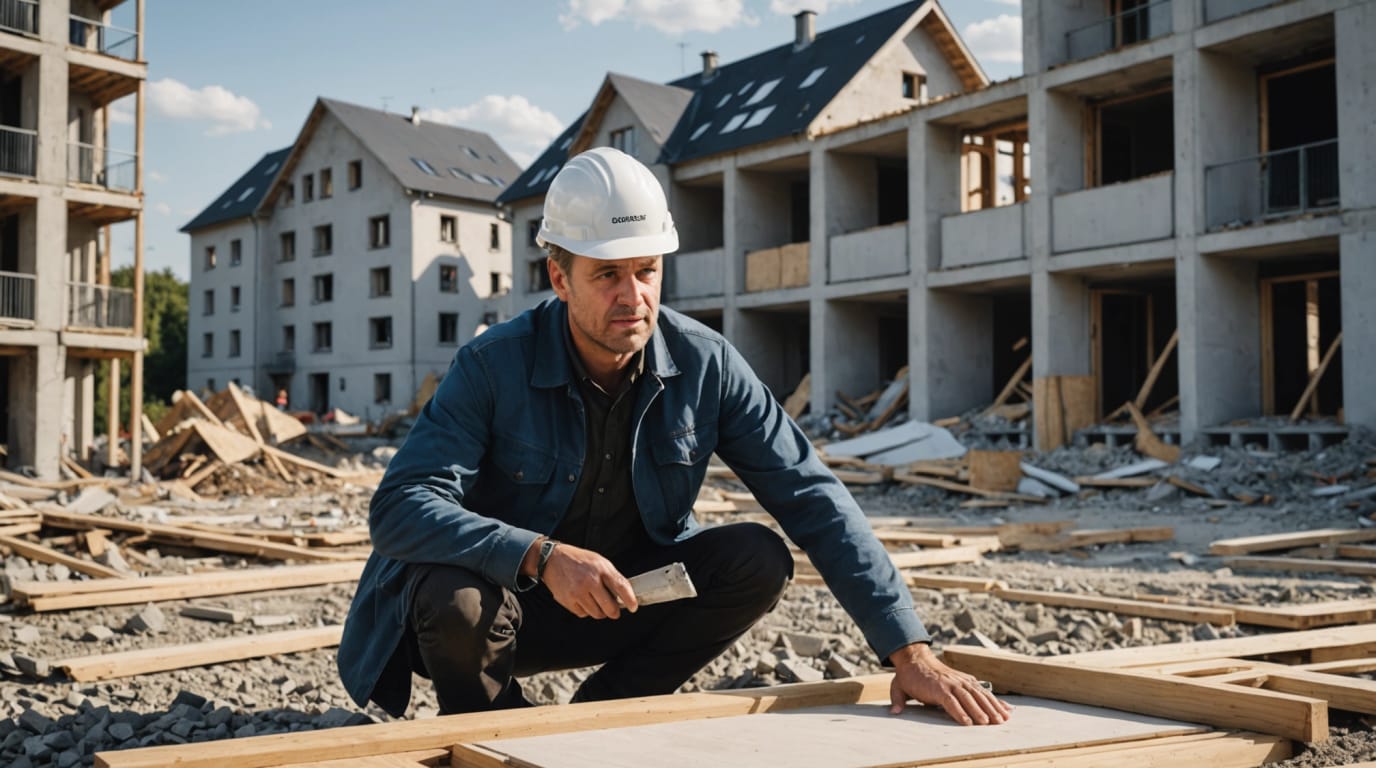
Germany is facing a severe housing shortage, prompting the government to initiate a series of measures aimed at significantly increasing the pace of construction across the country. The ambitious plan, dubbed a "turbo" boost, seeks to address the growing discrepancy between housing demand and availability, particularly in urban centers. With general parliamentary elections looming, the housing crisis has become a central issue, pushing political parties to propose diverse solutions, from deregulation to increased funding for social housing.
The Depth of the Housing Crisis
Germany's housing market is currently struggling to keep up with demand. The current government, known as the 'Traffic Light Coalition', had set a target of constructing 400,000 new homes each year, with a focus on affordable housing for lower-income families. However, these goals have consistently been missed. Recent forecasts paint a concerning picture, with new housing approvals expected to reach only 210,000 in 2024, a 45% decrease compared to the previous year. The total number of completed homes in 2024 is projected to be around 260,000, and estimates for 2025 suggest a further decline to just 230,000 new units. This shortfall has led to rising rents and increased pressure on families seeking affordable living spaces.
Several factors contribute to this crisis. Red tape, shortages of skilled workers, rising construction costs, and financing difficulties have all hampered the construction industry's ability to meet the government's ambitious targets. The real estate industry argues that burdensome regulations are a significant impediment, calling for streamlined planning and approval processes.
Government Initiatives and Regulatory Changes
In response to the escalating crisis, the German government is exploring various avenues to accelerate housing construction. One key initiative is the "Building Type E Act," which aims to reduce building costs by streamlining regulations and promoting more flexible construction practices. The focus is on encouraging straightforward and cost-effective building methods, rather than adhering to rigid, specific requirements. Federal Minister for Housing Klara Geywitz believes these changes will simplify the process for architects, planners, developers, and builders.
Another guideline, called "Simply Build," has been developed by the Ministry with the assistance of the Alliance for Affordable Housing. Justice Minister Marco Buschmann estimates that the passage of this law could save approximately €8 billion each year by reducing unnecessary expenses.
However, some proposed solutions have faced resistance. For example, a draft "modernisation" law in Bavaria intended to speed up housing construction has been met with opposition from cities and municipalities. Local mayors fear that the measures will increase bureaucracy and negatively impact climate goals. Concerns have been raised that certain provisions, such as allowing gravel gardens, could undermine local commitments to transport transition, biodiversity, and climate adaptation.
Modular Construction and Technological Solutions
To boost productivity and address the skilled worker shortage, industry experts are increasingly looking towards innovative construction methods. Modular and serial building practices, which utilize industrially prefabricated components, are gaining traction as a potential solution. These methods offer the advantages of faster construction times, reduced costs, and improved quality control.
Digital tools, such as digital twins, artificial intelligence, and robotics, are also being explored to further enhance efficiency in the construction sector. The German Ministry of Construction, the umbrella organization of the housing industry GdW, and the Federation of the German Construction Industry launched the Serial and Modular Construction 2.0 competition across Europe. This initiative aims to leverage the benefits of modular and serial construction to rapidly create affordable housing.
Political Perspectives and Election Pledges
With federal elections on the horizon, the housing crisis has become a prominent campaign issue. Political parties are presenting their strategies to address the shortage and improve affordability.
There is broad agreement among parties on the need to speed up planning and approval procedures and reduce construction costs. Common proposals include increased digitalization, reduced bureaucracy, simplified building regulations, and the facilitation of densification and the designation of new building land.
In terms of funding, most parties agree on the need to increase financial support for low-income households and social housing. The Christian Democrats (CDU/CSU) are focusing on funding the construction of multi-story residential buildings in tight housing markets and increasing special depreciation for affordable housing. The Social Democrats (SPD) propose a "Germany Fund" to provide housing associations and cooperatives with equity capital. The Free Democratic Party (FDP) aims to improve tax depreciation in the housing sector and enhance individual funding through housing allowances.
Challenges and Future Outlook
Despite the various initiatives and proposals, significant challenges remain in resolving Germany's housing crisis. The construction sector has struggled to meet emission reduction targets, raising concerns about the environmental impact of increased building activity. Balancing the need for more housing with climate protection goals is a key challenge.
The real estate industry is advocating for deregulation to streamline the construction process, while others emphasize the importance of maintaining building efficiency standards. Finding the right balance between these competing priorities will be crucial for the success of any long-term housing strategy.
Lower interest rates and a steady increase in construction orders may signal a potential recovery in housing investments by mid-2025. However, the future of the Ministry of Building remains uncertain, particularly regarding whether Geywitz will continue in her role after the upcoming elections. Regardless of who leads the ministry, the housing crisis will undoubtedly remain a top priority for the next government, demanding immediate and effective solutions to ensure affordable and accessible housing for all residents.


