Germany Aims to Revitalize Ailing Rail System with Massive Investment
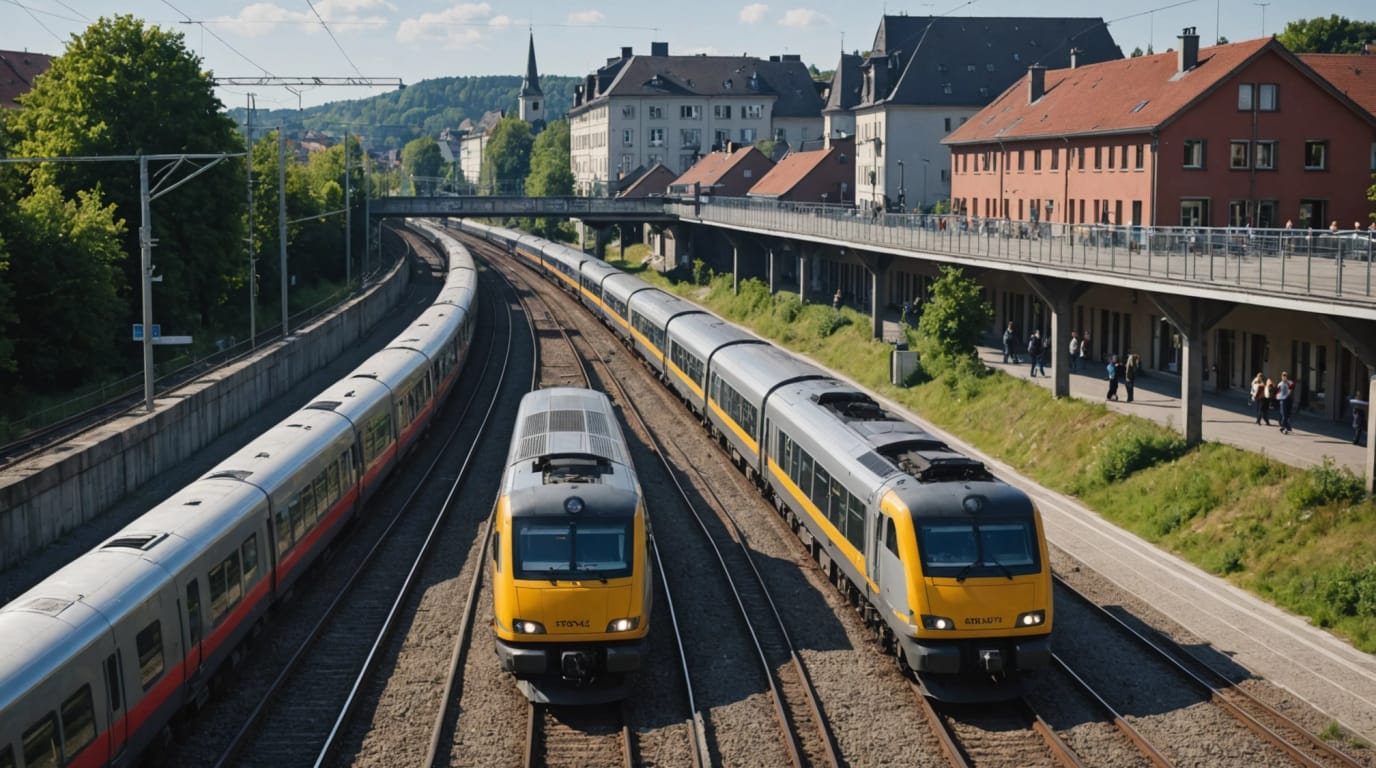
Germany, a nation renowned for its engineering and efficiency, is embarking on an ambitious journey to overhaul its aging and increasingly unreliable railway system. Decades of underfunding and neglect have left the network struggling to cope with growing passenger and freight demands, leading to frequent delays, cancellations, and a tarnished reputation for punctuality. Now, with a multi-billion euro investment plan underway, the country hopes to bring its rail infrastructure back on track and secure its future as a leader in sustainable transportation.
Decades of Neglect Catch Up
For years, Germany's railway infrastructure has suffered from a lack of investment, resulting in outdated technology, overburdened lines, and a growing backlog of necessary repairs. While Germany boasts over 1,500 km of high-speed lines, trains are often held at red signals, a symptom of a system struggling to cope with the demands placed upon it. Deutsche Bahn (DB), the state-owned railway operator, has openly acknowledged that the infrastructure "cannot cope with the constantly growing volume of rail traffic," citing a lack of robustness, resilience, and capacity reserves.
The consequences of this neglect have been felt by commuters, businesses, and even international travelers. During the Euro 2024 football tournament, delays and overcrowding caused chaos for fans and teams alike. In 2023, Deutsche Bahn paid out over €130 million in refunds due to delays, a 43% increase in just 12 months. The German rail lobby has criticized the slow pace of reactivating old lines, stating that only 21 kilometers of track had been revived since 2022.
A Bold Plan for Renewal
Recognizing the urgent need for action, the German government, led by Federal Minister for Transport Volker Wissing, has launched the largest infrastructure program since the German Rail Reform in 1994. The plan involves a massive injection of funds, with an estimated €40 billion (approximately $42.7 billion USD) earmarked for railway upgrades by 2027. Some reports indicate the total investment in Germany's rail infrastructure could reach USD 95.2 billion for the period 2024-2027.
This investment aims to address critical issues such as:
- Modernizing aging infrastructure: Replacing outdated tracks, switches, signaling systems, and bridges.
- Increasing capacity: Adding new tracks, crossovers, and passing loops to allow for more trains and reduce bottlenecks.
- Improving punctuality: Implementing advanced technology and streamlined operations to minimize delays and disruptions.
- Enhancing accessibility: Modernizing stations with new roofs, ramps, underpasses, and platform adjustments to improve accessibility for all passengers.
- Digitalization: Rolling out the European Train Control System (ETCS) nationwide to increase capacity by up to 30% on existing lines.
Prioritizing Key Corridors
A central component of the modernization plan is the overhaul of 40 heavily used rail corridors across the country, totaling approximately 4,000 km of track. The first corridor to undergo extensive renovation is the Riedbahn, a 70-kilometer stretch between Frankfurt and Mannheim. This vital link handles over 300 freight and passenger trains daily and is considered a major bottleneck in the network.
The Riedbahn project, scheduled for completion in late 2024, involves:
- Replacing over 100 km of track.
- Renewing overhead lines.
- Installing 265,000 new sleepers and 380,000 tonnes of ballast.
- Adding three new crossovers to create alternative routes.
- Modernizing the 20 stations along the route.
Deutsche Bahn aims to tackle at least two more corridors per year by 2030, with plans to generally refurbish corridors such as Cologne - Bonn - Koblenz, Hagen - Unna - Hamm, and Munich - Rosenheim in 2028.
Challenges and Opportunities
While the investment plan has been widely welcomed, challenges remain. Coordinating multiple construction sites, addressing staff shortages, and ensuring efficient planning and prioritization of projects will be crucial for success. Some critics have pointed to the slow pace of reactivating old lines, arguing that more needs to be done to reconnect communities to the rail network.
Despite these challenges, the modernization effort presents significant opportunities for the German rail industry. The increased investment is expected to boost revenues for rail infrastructure suppliers and create new jobs in the sector. Furthermore, a revitalized rail system will support Germany's ambitious climate protection goals by encouraging a shift from road to rail for both passenger and freight transport.
Looking Ahead
The success of Germany's rail modernization plan is critical for the country's economic competitiveness, environmental sustainability, and overall quality of life. By addressing the long-standing issues plaguing its railway system, Germany aims to create a modern, efficient, and reliable network that can meet the demands of the 21st century. The coming years will be a period of intense construction and transformation, but the ultimate goal is a railway system that once again reflects Germany's reputation for engineering excellence and efficiency. Deutsche Bahn has set goals to reduce infrastructure-related delays by 20% and improve punctuality in long-distance transport to 75-80% within three years. The operator also plans to modernize 100 stations per year.


